

What is depression?
Depression is more than sadness, and it's not something a person can simply push through.
Clinically, it's a persistent change — usually two weeks or longer — in mood, energy, sleep, appetite, concentration, and interest in things that used to matter. It can also show up physically, as fatigue, aches, or slowed thinking.
Depression varies enormously from person to person, which is why care at CIP never starts with a prescription pad. It starts with understanding what this depression looks like, in this person, in this life.

How do we evaluate depression?
A depression evaluation at CIP is a whole-person workup, because low mood is not always a purely psychiatric story.
The result is a diagnosis you can trust and a plan matched to it, never a prescription on a first impression.
Full clinical assessment
History, current symptoms, sleep, stressors, and what treatments (if any) have been tried before.
Medical contributors reviewed
Thyroid problems, sleep disorders, nutritional factors, and certain medications can produce or worsen depressive symptoms — your clinician evaluates these rather than assuming.
Screening for look-alikes
Most importantly bipolar disorder, which frequently gets mistaken for depression and needs a different treatment approach.
How do we treat depression at CIP?
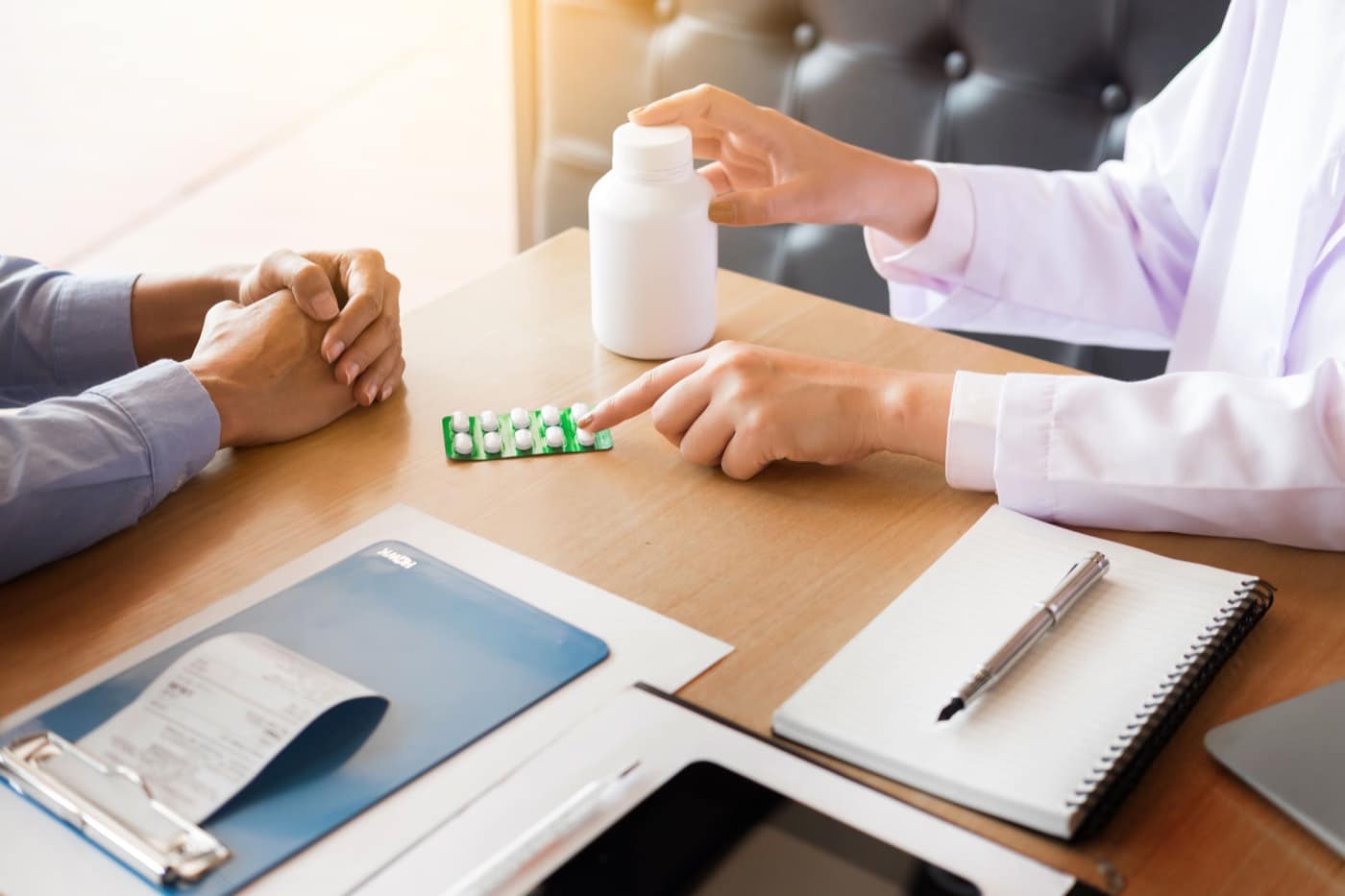
Most depression care is built from two well-established treatments, used alone or together. For many people, the combination works better than either alone.

What if depression hasn't responded to medication?
We say it plainly: not responding to antidepressants is common, and it is not the end of the road. When depression persists after adequate trials of multiple medications, it has its own evidence-based options — both available at CIP.
TMS therapy
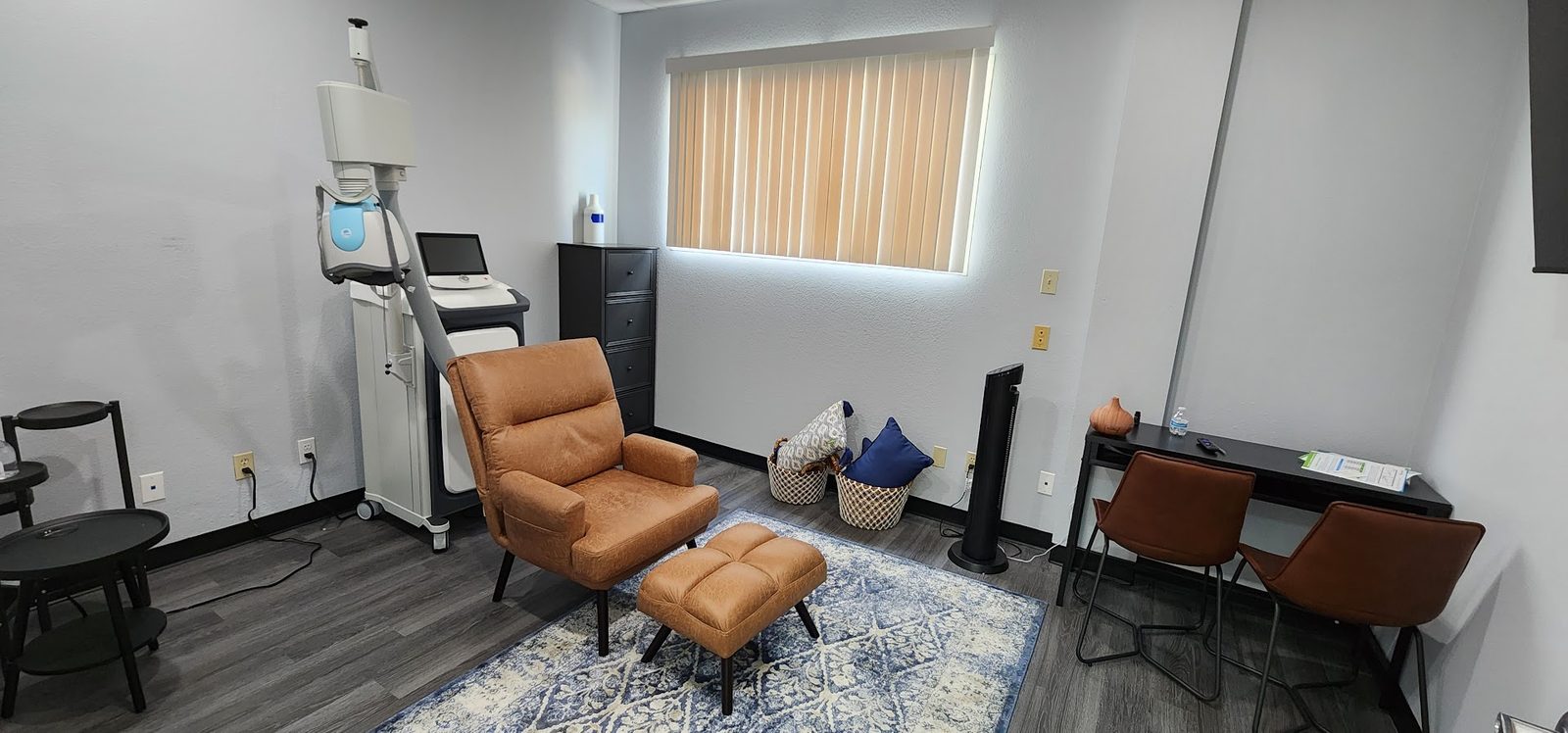
An FDA-cleared, non-medication treatment using targeted magnetic pulses. Sessions happen in our office; no anesthesia, and patients drive themselves home.
SPRAVATO® (esketamine)
An FDA-approved nasal-spray medication for treatment-resistant depression, taken alongside an oral antidepressant and administered under supervision with monitoring after each dose.
Treatment-resistant depression
If several medications haven't worked, that history is exactly what our evaluation is designed to sort out. See the options in one place.
Care that treats the person, not just the diagnosis
Depression rarely travels alone. Poor sleep deepens it; thyroid and other medical factors can masquerade as it; nutrition affects the energy and stability recovery depends on. Alongside standard treatment, our integrative team — including functional psychiatry and nutritional support — works on these contributors.
When does low mood deserve professional care?
More than a couple of weeks
When a low mood has lasted more than two weeks, or when it's costing someone things that matter — work, relationships, self-care, hope.
When family notices
Family members often notice the change before the person does; a gentle suggestion to get evaluated is a legitimate way in.

If there are thoughts of suicide or self-harm, don't wait for an appointment: call or text 988 (Suicide & Crisis Lifeline) or go to the nearest emergency room now. For everything short of crisis, an evaluation is the right first step.

More on understanding depression


Depression treatment — common questions
Where to start, how long treatment takes, advanced options, and telehealth.