
What is obsessive-compulsive disorder?
OCD isn't a quirk or a taste for tidiness — it's a distressing loop of intrusive thoughts and the rituals people use to quiet them.
OCD has two parts. Obsessions are unwanted thoughts, images, or urges that intrude again and again — often about harm, contamination, order, or doubt — and bring real distress. Compulsions are the behaviors or mental rituals a person feels driven to repeat to relieve that distress: checking, washing, counting, re-reading, or silently reviewing.
The cycle is exhausting because the relief never lasts; the obsession returns, and the ritual demands more time. People with OCD usually know the thoughts don't make sense, which adds shame on top of the distress — and often keeps them from seeking care for years.
One thing worth saying plainly: liking a tidy desk isn't OCD, and “I'm so OCD” describes a preference — the disorder describes distress that takes over hours of a person's day.

What does an OCD evaluation at CIP involve?
Your first appointment is a thorough conversation with a psychiatric provider — what the thoughts and rituals look like, how much time they take, what you've tried, and your overall health and history.
You leave the evaluation with a clear picture of what's going on and a specific, staged plan — not a generic handout.
Full clinical assessment
A thorough conversation about your obsessions and compulsions, how much of the day they consume, and what treatments (if any) you've tried before.
Whole-health review
We factor in your overall health and history, because physical and lifestyle contributors can shape symptom intensity and the right plan.
Screening for co-occurring conditions
We screen for conditions that commonly occur alongside OCD — such as depression and anxiety — because they change the treatment plan.
How is OCD treated?
The strongest results usually come from combining approaches, adjusted as we see what works for you.


Why treat OCD at an integrative clinic?
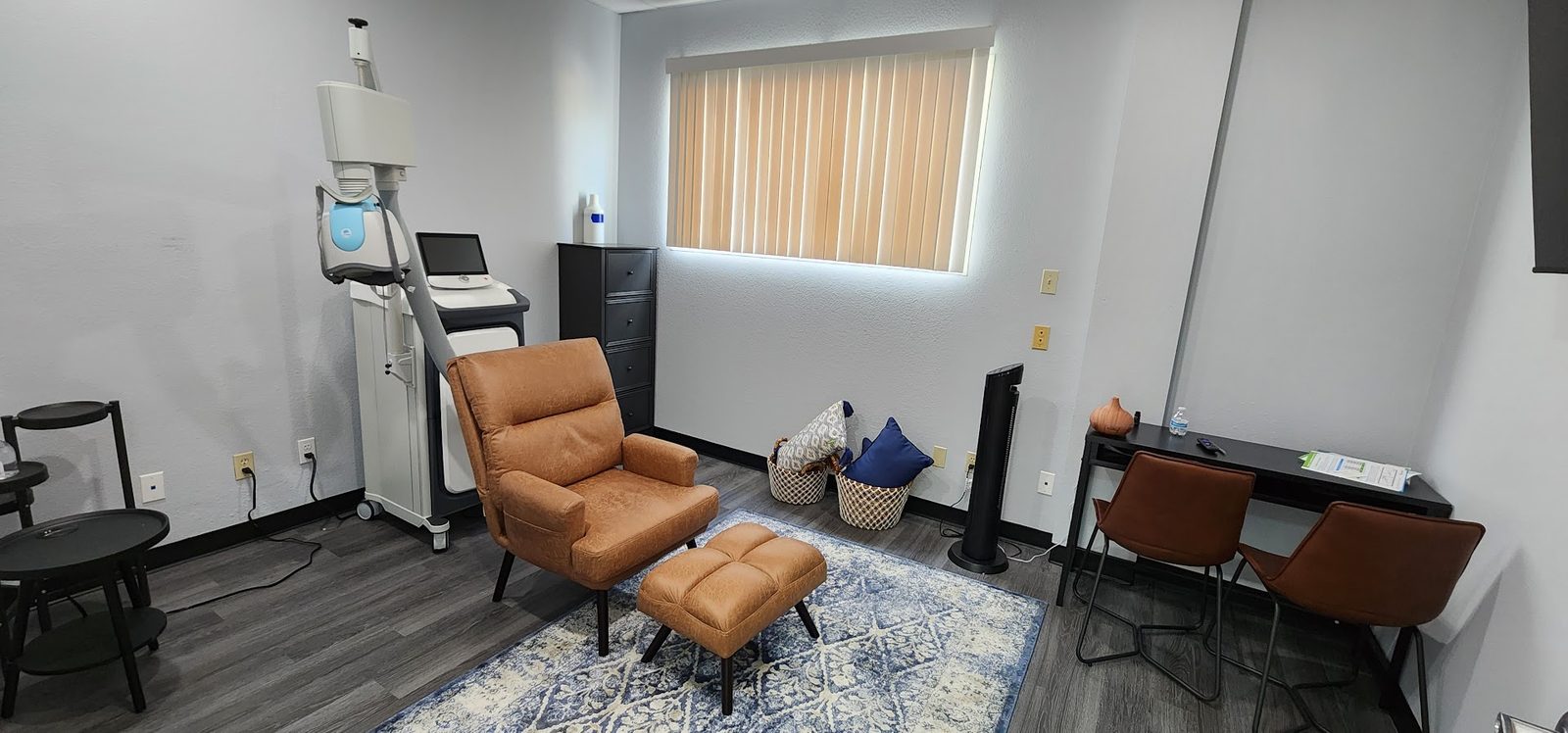
OCD doesn't exist in a vacuum — sleep, stress load, and overall health all influence symptom intensity. Because CIP houses prescribers, therapists, a TMS team, and integrative providers under one roof, your plan can adjust without referrals to strangers: if medication needs a second look, or TMS becomes the right next step, the conversation happens inside one team that already knows you.

Who we see for OCD care
We evaluate and treat adults across Texas.
Whether the rituals are visible to everyone around you or entirely mental and invisible, they're worth taking seriously — both patterns respond to treatment.
When is it time to get evaluated?
An hour or more a day
When rituals or intrusive thoughts consume an hour or more of your day, or you're arriving late and avoiding situations because of them.
When family gets pulled in
When family members are being drawn into rituals — “Can you check it again for me?” OCD tends to expand when unaddressed.

If you're in crisis or having thoughts of harming yourself, call or text 988 now, or go to the nearest emergency room. For everything short of crisis, an evaluation is the shortest path to shrinking OCD's hold.

More on OCD and related care



Common questions about OCD care
How OCD differs from tidiness, therapy vs. medication, TMS, telehealth, and insurance.