
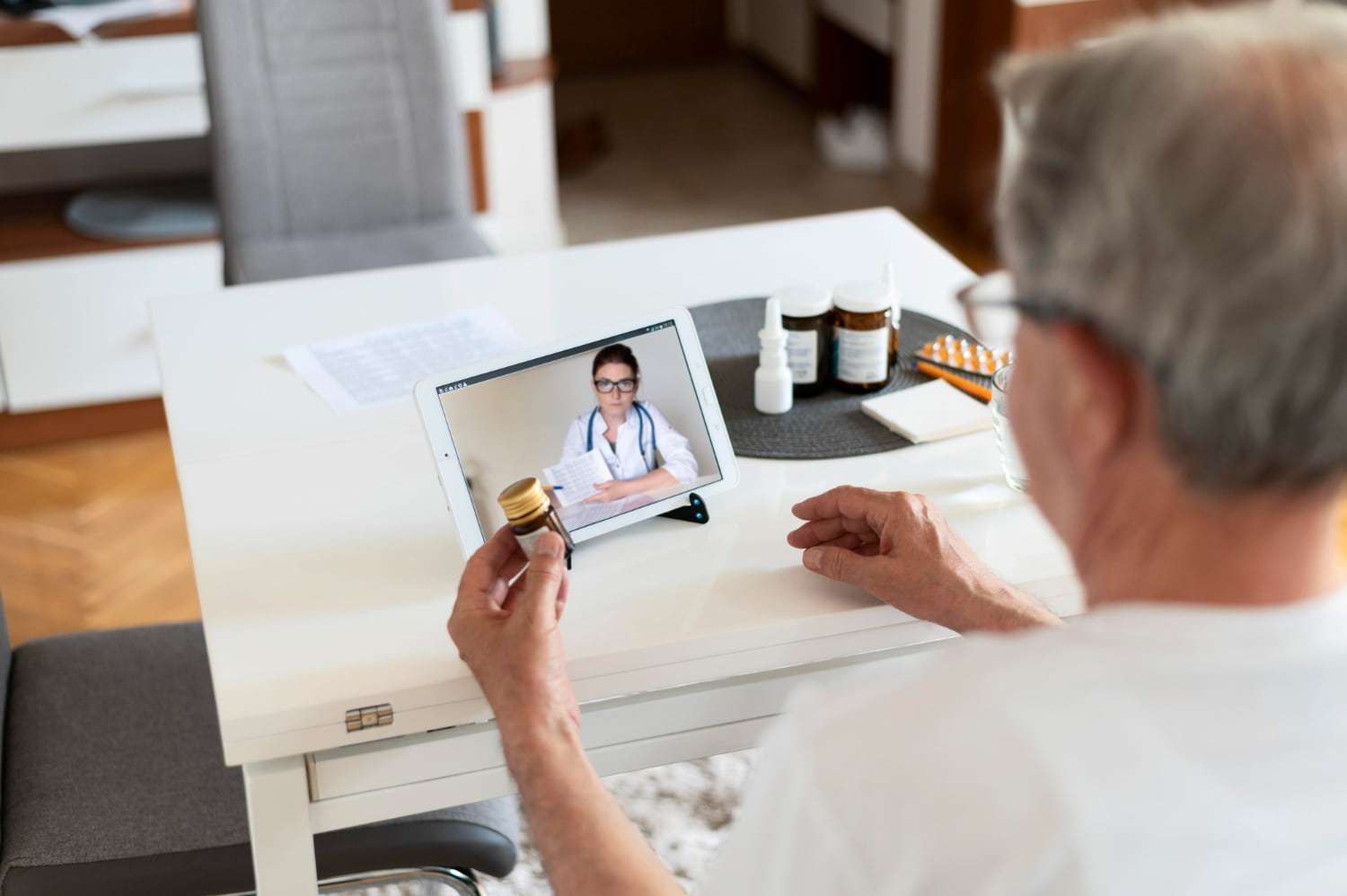
Mental health care has undergone a significant transformation in recent years, thanks to advances in technology. Telemedicine in psychiatry, also known as telemental health, is at the forefront of this shift, allowing patients to access psychiatric care remotely through video calls, phone consultations, and online platforms.
With the rise of telehealth for mental health, patients can receive therapy, medication management, and other psychiatric services without leaving their homes. In this article, we’ll explore the benefits and drawbacks of telemental health, how it works, and why it’s becoming an essential part of modern psychiatric care.
What Is Telemedicine in Psychiatry?
Telemedicine in psychiatry refers to the use of digital technology, such as video conferencing or phone calls, to provide psychiatric care remotely. This form of care allows patients to connect with mental health professionals without needing to visit a physical clinic. It’s a practical solution for individuals with busy schedules, those living in remote areas, or patients who may have difficulty accessing traditional in-person care.
With telehealth services for mental health, patients can engage in therapy sessions, medication management, and psychiatric evaluations from the comfort of their own homes. This service is part of a broader trend toward telehealth and mental health care, which has gained significant traction, particularly in the wake of the COVID-19 pandemic.
Benefits of Telehealth for Mental Health Care
The benefits of telehealth for mental health are numerous, offering both patients and providers new ways to manage mental health challenges. Here are some key advantages:
Accessibility and Convenience
One of the biggest benefits of telehealth for mental health is its accessibility. Patients who live in rural areas, have mobility issues, or face transportation challenges can now receive care without traveling long distances. Telehealth for mental health also eliminates the need to take time off work or arrange childcare, as appointments can be scheduled from home.
Continuity of Care
With telemedicine, patients can maintain regular contact with their mental health providers, ensuring ongoing care even during times of crisis. For example, telehealth for depression allows individuals to receive therapy or medication adjustments without missing appointments, helping to maintain progress and prevent relapses.
Flexibility and Comfort
Many patients find that they are more comfortable discussing sensitive mental health topics from their own space, as it reduces the anxiety often associated with clinical environments. This can lead to more productive therapy sessions and improved outcomes over time.
Telehealth Benefits and Challenges
While telehealth mental health services offer many advantages, they also come with certain challenges. Let’s explore both sides.
Benefits of Telehealth for Mental Health
- Reduced Stigma: Some patients may feel embarrassed or uncomfortable seeking mental health care in person. Telehealth services for mental health allow them to access care discreetly, reducing the stigma associated with seeking help.
- Time-Saving: Patients save time on commuting, which means more flexibility for fitting therapy or psychiatric appointments into their busy schedules.
- Cost-Effective: Telemedicine often reduces overhead costs for providers, which can translate into lower fees for patients.
Challenges of Telehealth
- Technological Issues: Poor internet connections or unfamiliarity with technology can create barriers for some patients. Not everyone has reliable access to high-speed internet, which is necessary for video-based sessions.
- Privacy Concerns: While most platforms for telehealth are secure, some patients may worry about confidentiality, particularly if they are conducting sessions in shared or public spaces.
- Limited Physical Assessments: Certain psychiatric evaluations may require in-person assessments, which can’t always be performed effectively via telemedicine.
Telehealth for Depression: A New Approach to Treatment
Depression is one of the most common mental health disorders, and telehealth for depression offers a new way for individuals to access care. Regular therapy and medication adjustments can be provided remotely, allowing patients to maintain consistent treatment and support.
Telemedicine offers several specific benefits for those struggling with depression:
- Immediate Access to Care: Telehealth enables individuals to reach out for help when they need it most, without waiting for weeks for an in-person appointment.
- Personalized Treatment Plans: Therapists and psychiatrists can provide continuous support and adapt treatment plans as symptoms evolve.
Telehealth and Psychiatry: What Is the Future of Care?
The integration of telehealth and psychiatry has created exciting possibilities for the future of mental health care. As technology continues to improve, telemedicine will likely become an even more prominent feature of psychiatric services, offering new tools for therapy, medication management, and patient engagement.
Providers are also finding ways to overcome some of the telehealth benefits and challenges mentioned earlier. For example, advancements in secure communication platforms and improvements in remote psychiatric evaluations will help address concerns related to privacy and physical assessments.
Is Telemedicine in Psychiatry Right for You?
If you’re considering telemedicine in psychiatry, it’s important to evaluate whether this approach suits your specific needs and circumstances. Telehealth mental health services are ideal for patients who require flexibility, live in remote areas, or feel more comfortable receiving care at home.
What Is the Benefit of Telehealth?
One clear benefit of telehealth is that it allows for more frequent check-ins and real-time adjustments to treatment. This can be especially helpful for conditions like depression or anxiety, where regular contact with a psychiatrist or therapist is key to long-term success.
Conclusion: Experience the Future of Mental Health Care
Telemedicine in psychiatry is more than just a temporary solution; it represents the future of mental health care. By providing accessible, flexible, and cost-effective services, telehealth is transforming how patients receive care. While there are some challenges to be addressed, the benefits far outweigh the drawbacks for most patients.
If you’re ready to explore how telemedicine can fit into your mental health care routine, contact the Center for Integrative Psychiatry™ today.
Contact Us
For more information about telemedicine in psychiatry or to schedule a consultation, contact us today at 1-877-283-5336 the Center for Integrative Psychiatry™. We offer tailored telehealth services for mental health designed to meet your specific needs.
Medical Disclaimer
The information provided in this article is for educational purposes only and is not intended as medical advice. Always consult with our licensed psychiatrists and professionals for mental health advice before making any changes to your treatment plan.
FAQs
1. What is telemedicine in psychiatry?
Telemedicine in psychiatry refers to the use of digital technology, such as video calls, to provide psychiatric care remotely.
2. What are the benefits of telehealth for mental health?
Telehealth improves access to care, offers more flexibility, reduces stigma, and allows for continuous treatment without in-person visits.
3. Can telehealth help with depression?
Yes, telehealth for depression allows patients to access therapy and medication management regularly, helping to maintain consistent care.
4. What are some challenges of telehealth?
Challenges include potential technological issues, privacy concerns, and limitations in conducting certain physical assessments remotely.
5. How do I know if telemedicine is right for me?
If you value flexibility, need accessible care, or feel more comfortable at home, telemedicine in psychiatry may be a suitable option for you.
This article is for education and general information. It isn't a substitute for individual medical advice, diagnosis, or treatment from a qualified clinician.
Webmaster
Articles on this blog are educational resources from the Center for Integrative Psychiatry, a multidisciplinary clinic offering evidence-based psychiatry, therapy, TMS, and integrative care for Texans since 2015. They are not medical advice — always talk with your own clinician about your care.
Meet the CIP team