
Transcranial Magnetic Stimulation (TMS) has become a life-changing treatment option for people struggling with depression, especially when medications or talk therapy have not been enough. But with so many treatment options, clinics, and protocols available, the question remains — how do you choose the best TMS therapy for your needs?
This guide will walk you through important factors to consider, from treatment types and safety to TMS therapy benefits, costs, and success rates.
Understand What TMS Therapy Is
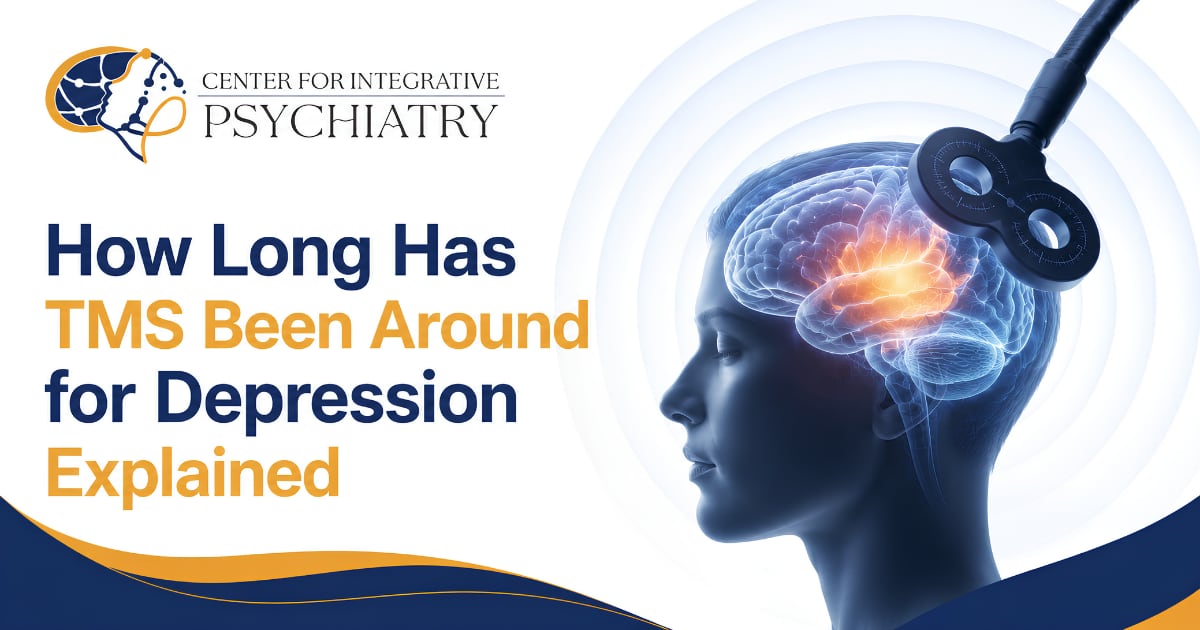
TMS therapy uses gentle magnetic pulses to stimulate specific areas of the brain linked to mood regulation. Unlike medications, it works directly on brain activity without affecting the rest of the body. The treatment is non-invasive, does not require anesthesia, and allows patients to resume their daily activities right after a session.
Identify Your Goal, Depression, Anxiety, or More
Most people search for the best TMS therapy for depression, but TMS can also help with anxiety, OCD, PTSD, and certain neurological conditions. A clear diagnosis from a mental health professional will guide your choice of protocol and clinic.
Know the Types of TMS Protocols
There are several variations of TMS, and the right one for you depends on your needs, medical history, and availability:
- Standard rTMS (Repetitive TMS Protocols) – The most common, usually 5 sessions per week for 4–6 weeks.
- Accelerated TMS Therapy – Multiple sessions per day for a shorter treatment period, often for those who want faster results.
- iTBS (Intermittent Theta Burst Stimulation) – A newer, faster approach that can be completed in just a few minutes per session.
- Deep TMS vs Standard TMS – Deep TMS reaches broader and deeper brain regions, while standard TMS targets more specific areas. Your provider can help decide which is best for you.
Compare TMS vs ECT
Both TMS and Electroconvulsive Therapy (ECT) are effective for treatment-resistant depression, but they are very different. ECT uses electrical currents and requires anesthesia, often leading to temporary memory loss. TMS, on the other hand, uses magnetic pulses, has minimal side effects, and does not require recovery time.
Consider Safety and Side Effects
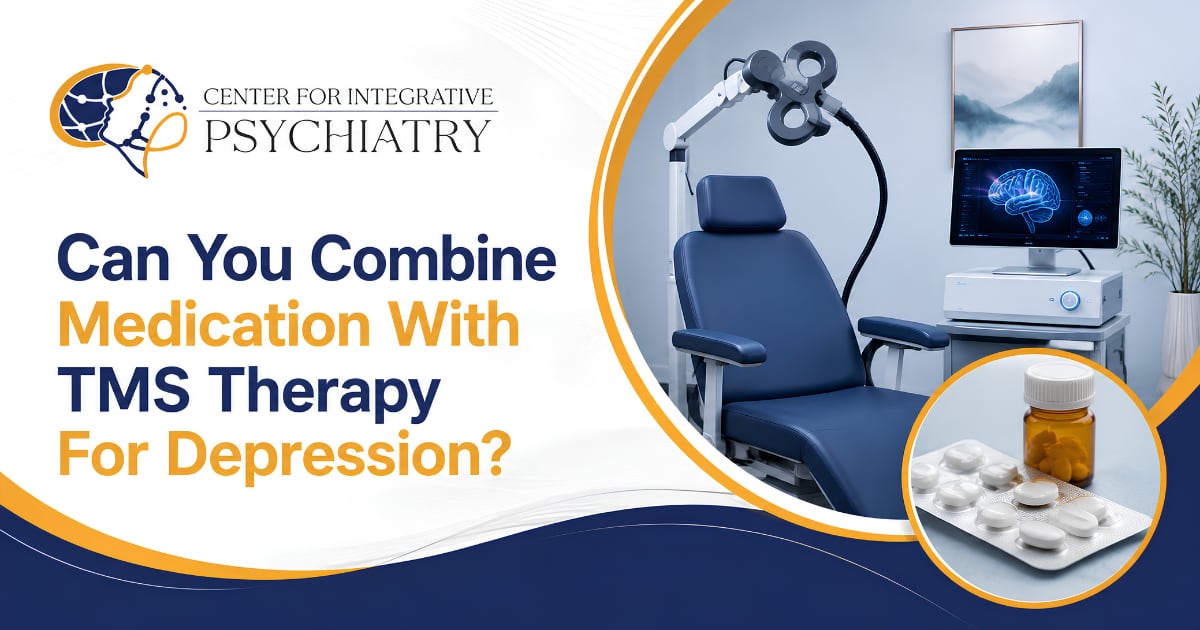
TMS therapy side effects are generally mild and temporary. They may include slight scalp discomfort, headache, or lightheadedness, usually resolving after the first few sessions. Unlike medication, TMS does not cause weight gain, fatigue, or digestive problems.
Look at TMS Therapy Success Rates
Studies show that 50–60% of patients experience significant improvement, and about one-third achieve complete remission from depression. Success rates can vary based on the clinic’s expertise, the protocol used, and the patient’s overall health.
Evaluate TMS Treatment Cost and Insurance Coverage
TMS treatment cost depends on the clinic, location, and number of sessions. In the U.S., the price for a full course can range from $6,000 to $12,000. Many insurance plans now cover TMS for depression if you’ve tried other treatments without success. Always confirm coverage with your provider before starting.
Choose a Trusted TMS Clinic
Searching online for a TMS clinic near me will give you options, but choosing the right one requires more than location. Look for clinics with experienced, board-certified providers, transparent pricing, and positive patient reviews. A clinic that offers a free consultation can help you feel confident in your decision.
Ask About Personalized Care
The best TMS therapy is the one tailored to you. Every brain is unique, so protocols should be adjusted based on your symptoms, tolerance, and progress. Clinics that monitor your improvement throughout the process can ensure you get the most benefit.
Final Thoughts
Choosing TMS therapy is an important decision — one that can impact your mental health for years to come. By understanding the different options, costs, and benefits, and by choosing an experienced clinic, you can find the treatment that truly works for you.
FAQs
1. What makes a TMS therapy the “best”?
The best TMS therapy is one that’s evidence-based, personalized to your needs, delivered by experienced professionals, and backed by strong patient outcomes.
2. How effective is TMS compared to medication or ECT?
TMS is often as effective, or more effective, for treatment-resistant depression, without the systemic side effects of medication or the memory loss risk of ECT.
3. What are the common side effects of TMS therapy?
Mild headaches, scalp discomfort, or lightheadedness, usually temporary and improving with each session.
4. How much does TMS treatment typically cost, and is it covered by insurance?
It can range from $6,000 to $12,000 for a full course. Many insurance providers cover it if you meet specific clinical criteria.
5. Are accelerated or iTBS protocols more effective than standard rTMS?
They can be equally effective, with the advantage of shorter treatment times, but may not be suitable for everyone.
6. How long does a full course of TMS treatment take?
Standard protocols take 4–6 weeks, with 5 sessions per week. Accelerated protocols can finish in 1–2 weeks.
This article is for education and general information. It isn't a substitute for individual medical advice, diagnosis, or treatment from a qualified clinician.
Webmaster
Articles on this blog are educational resources from the Center for Integrative Psychiatry, a multidisciplinary clinic offering evidence-based psychiatry, therapy, TMS, and integrative care for Texans since 2015. They are not medical advice — always talk with your own clinician about your care.
Meet the CIP team