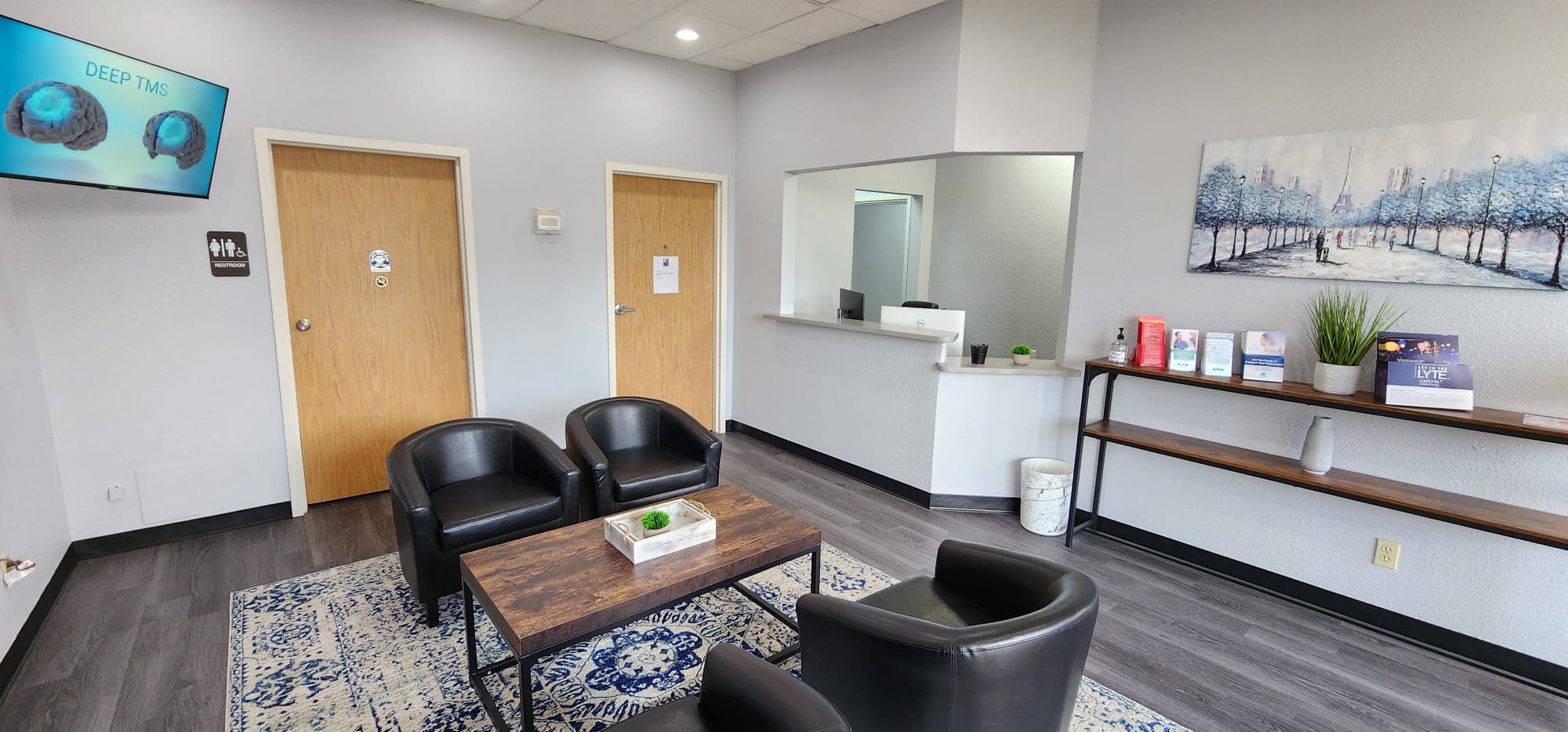

Non-invasive brain training that reads your brain's electrical activity and turns it into real-time feedback you can practice with.
What is neurofeedback?
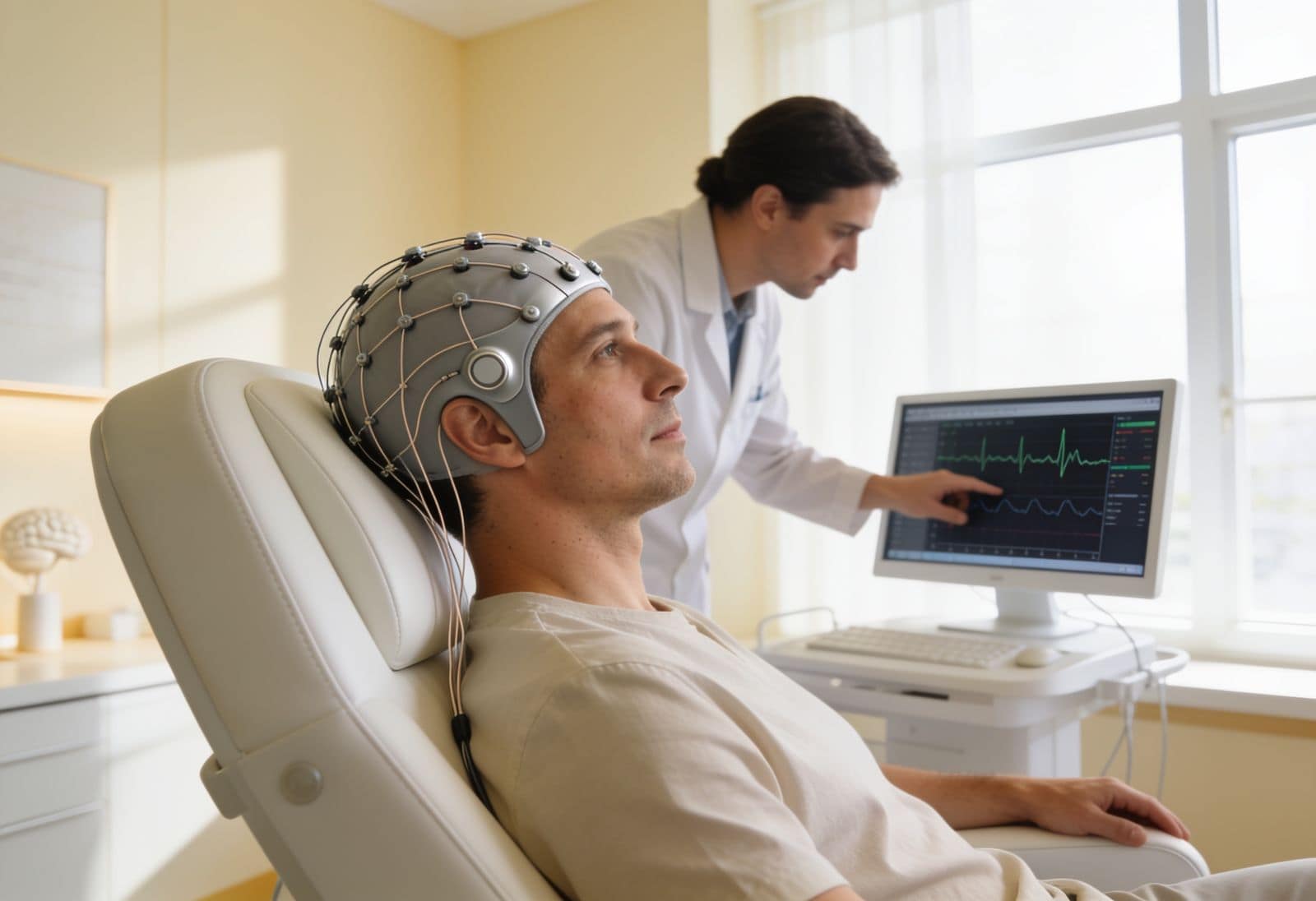
Neurofeedback is a form of brain training. Small sensors placed on your scalp read your brain's electrical activity (an EEG); a computer turns that activity into real-time feedback on a screen or through sound. When your brain activity moves toward the target pattern, the feedback rewards it — and over many sessions, the goal is for your brain to practice reaching those patterns on its own.
Nothing goes into your brain during neurofeedback. The sensors only read activity; the "training" is your brain responding to feedback, the way any skill is practiced. Sessions are non-invasive — you sit comfortably, watch or listen, and the system does the measuring.
Does it work? Honestly, it depends — and anyone who tells you otherwise is selling something. Neurofeedback has been studied for decades and some findings are encouraging, but the overall quality of the evidence is mixed, research is ongoing, and results vary meaningfully from person to person. That's why we offer it as a complement to established care like medication management and therapy — never as a standalone treatment.
Who considers neurofeedback?
Already in psychiatric care
Adults who want to add a structured, non-medication complement to a treatment plan they're already following.
Have tried several approaches
People who want to explore an additional option with realistic expectations about what it can and can't do.
Prefer skills-practice formats
Neurofeedback is repetitive, incremental training — closer to practice than to a procedure.
Suggested by your clinician
Patients whose CIP clinician has recommended it as one component of a broader care plan.
What does a course of neurofeedback involve?

A conversation before any course begins
Before starting, you'll meet with our team to talk through your goals, your current treatment, and whether a course of neurofeedback is a sensible addition.
A typical course runs 20–40 sessions over a period of weeks to months — like any training, it works through repetition rather than a single visit.
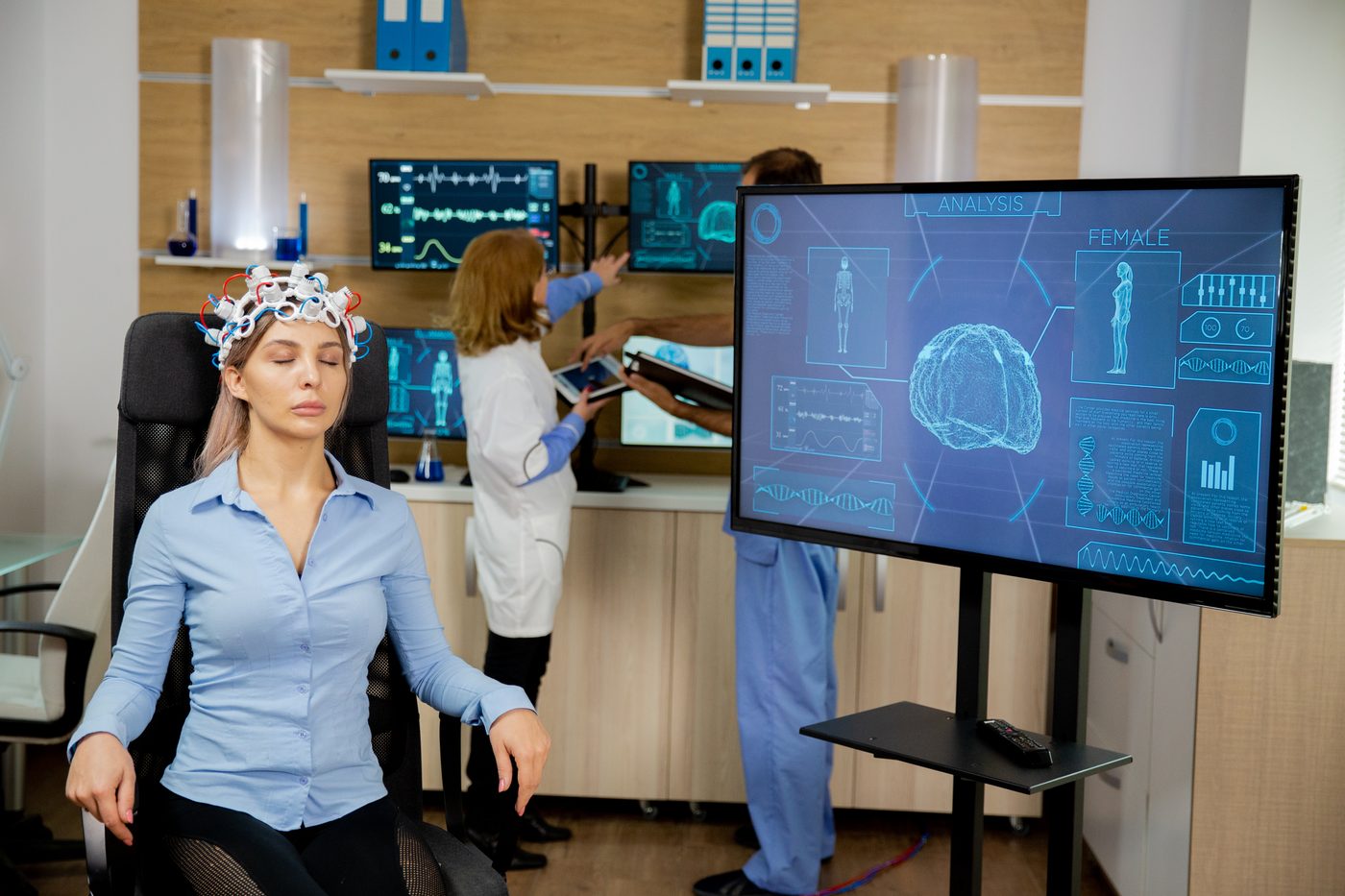
What a single session involves
Each session follows the same simple shape, and you can resume your day immediately afterward.
Which conditions is neurofeedback used alongside?
Neurofeedback at CIP doesn't treat or cure any psychiatric condition. It's offered as a complement for patients already in treatment — most often alongside care for the areas where the research literature is most active:
Evaluation, diagnosis, and treatment remain the work of our clinical team.
Why do neurofeedback at a psychiatry clinic?
Brain training that runs alongside real psychiatric care — with candor about what it can and can't do.
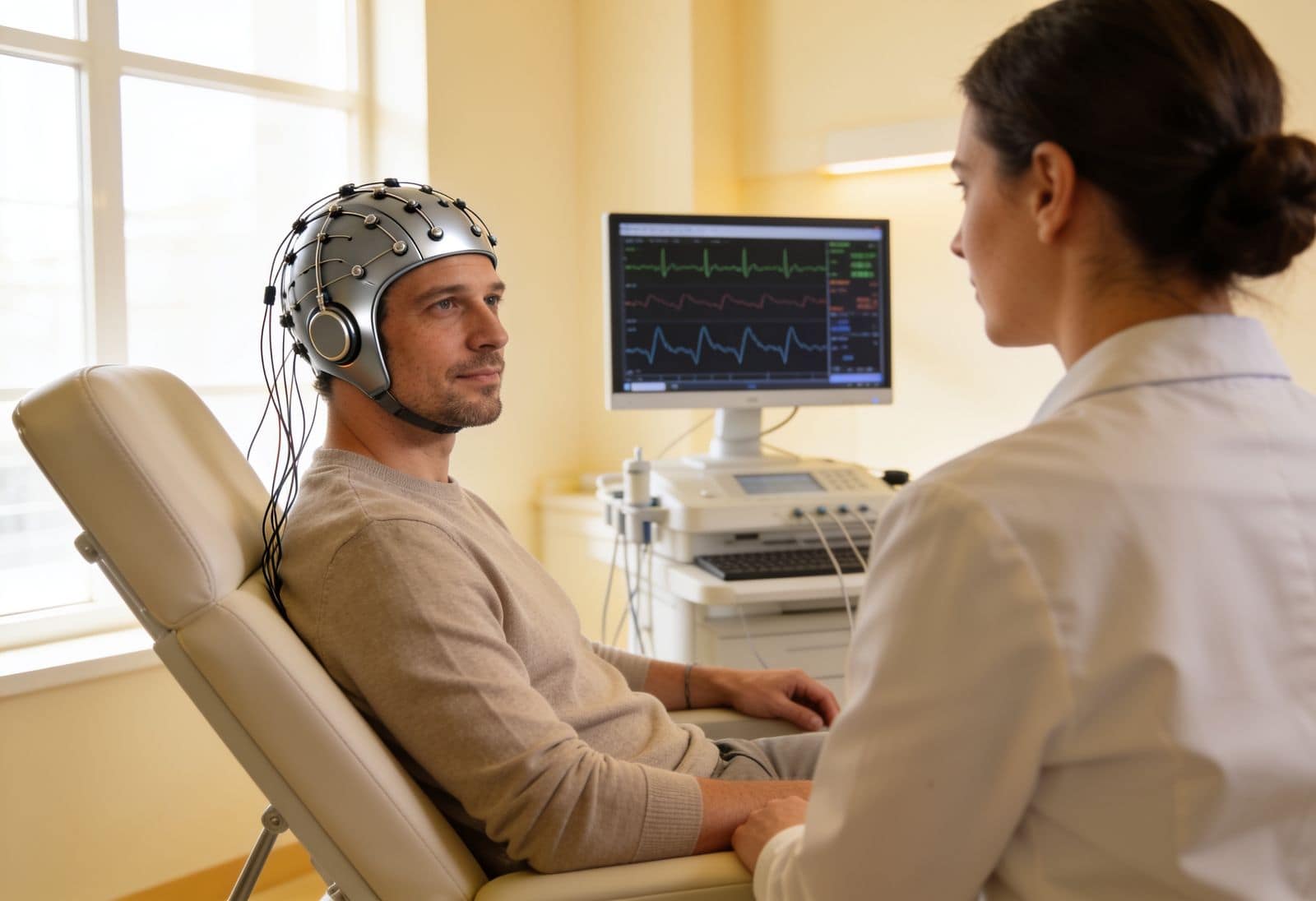
Clinical oversight
Your training runs alongside real psychiatric care — with clinicians who can tell whether it's helping, and adjust your plan either way.
Honest expectations
We describe neurofeedback as the research supports it — a complement with variable results, not a miracle. That candor extends to every service we offer.
Alternatives on hand
If neurofeedback isn't the right fit, options like TMS — which is FDA-cleared for depression and OCD — therapy, and medication management are available under the same roof.
Neurofeedback — common questions
How it differs from TMS, what results to expect, safety, session count, and cost.