
Obsessive Compulsive Disorder (OCD) is a chronic mental health condition characterized by intrusive thoughts and repetitive behaviors. While many people manage OCD with outpatient care, some cases require more intensive interventions. Obsessive-compulsive disorder inpatient treatment provides a structured environment where individuals can receive comprehensive care, particularly for severe or treatment-resistant forms of the disorder.
In this article, we will explore the common symptoms of OCD, delve into the most effective treatments, and discuss the potential causes of the disorder. We’ll also examine when inpatient treatment might be necessary and what it entails.
Common Symptoms of Obsessive Compulsive Disorder
OCD manifests through a combination of obsessions and compulsions. Common symptoms of obsessive compulsive disorder include persistent, unwanted thoughts, fears, or urges (obsessions) that drive repetitive behaviors or mental acts (compulsions) aimed at reducing anxiety or preventing a feared event.
Key Symptoms of OCD
- Obsessions: These are intrusive thoughts or images that cause significant anxiety. Common obsessions include fears of contamination, concerns about harm coming to oneself or others, or a need for symmetry or orderliness.
- Compulsions: To counteract the distress caused by obsessions, individuals engage in compulsive behaviors. These can include excessive hand washing, checking locks or appliances repeatedly, counting, or arranging items in a specific way.
- Functional Impairment: The compulsions are not only time-consuming but also interfere with daily functioning, relationships, and overall quality of life.
What Is the Most Effective Treatment for Obsessive Compulsive Disorder?
When it comes to managing OCD, what is the most effective treatment for obsessive compulsive disorder? The consensus in the mental health community is that a combination of Cognitive Behavioral Therapy (CBT) with a focus on Exposure and Response Prevention (ERP), and medication is the most effective treatment.
Cognitive Behavioral Therapy (CBT)
The most effective treatment for obsessive-compulsive disorder is CBT, specifically ERP. This form of therapy helps individuals confront their fears and reduce the compulsive behaviors associated with their obsessions. Over time, ERP can help diminish the power of obsessions and reduce the need to engage in compulsions.
Medications
Selective Serotonin Reuptake Inhibitors (SSRIs) are commonly prescribed for OCD and can be effective in reducing symptoms. In some cases, higher doses are needed than those typically prescribed for depression. When SSRIs are not effective, other medications, such as tricyclic antidepressants or antipsychotics, may be used.
Inpatient Treatment for OCD
For individuals with severe OCD, especially those with treatment-resistant obsessive compulsive disorder, outpatient treatment may not be sufficient. Obsessive compulsive disorder inpatient treatment provides an intensive, structured environment where patients can receive round-the-clock care and support.
- Intensive CBT/ERP: Inpatient programs offer daily, intensive CBT sessions that focus on ERP, helping patients make significant progress in a short amount of time.
- Medication Management: Psychiatrists in inpatient settings can closely monitor medication effectiveness and make necessary adjustments to ensure optimal treatment outcomes.
- Supportive Environment: Inpatient facilities provide a safe and controlled environment that reduces exposure to triggers and allows patients to focus solely on their recovery.
When is Residential Treatment for OCD Necessary?
Residential treatment for OCD may be necessary when outpatient therapy does not sufficiently control symptoms, or when OCD severely impairs a person’s ability to function. This level of care is typically recommended for individuals with severe OCD who have not responded to traditional treatments.
Indications for Inpatient Treatment
- Severe Functional Impairment: When OCD symptoms prevent an individual from performing daily tasks, maintaining relationships, or holding down a job, inpatient treatment may be required.
- High Risk of Harm: Individuals whose compulsions involve dangerous behaviors, such as excessive cleaning with harmful chemicals, or those with suicidal thoughts related to OCD, may need the safety of an inpatient setting.
- Treatment Resistance: When multiple attempts at outpatient treatment, including medication and therapy, fail to produce significant improvements, inpatient care may be the next step.
What Are 5 Causes of OCD?
Understanding the causes of OCD is complex, as it is believed to arise from a combination of genetic, neurological, behavioral, cognitive, and environmental factors. What are 5 causes of OCD? Here are some of the primary factors contributing to the development of the disorder:
1. Genetic Factors
There is strong evidence that genetics play a role in OCD. Individuals with a family history of OCD are more likely to develop the disorder themselves, suggesting a hereditary component.
2. Brain Structure and Function
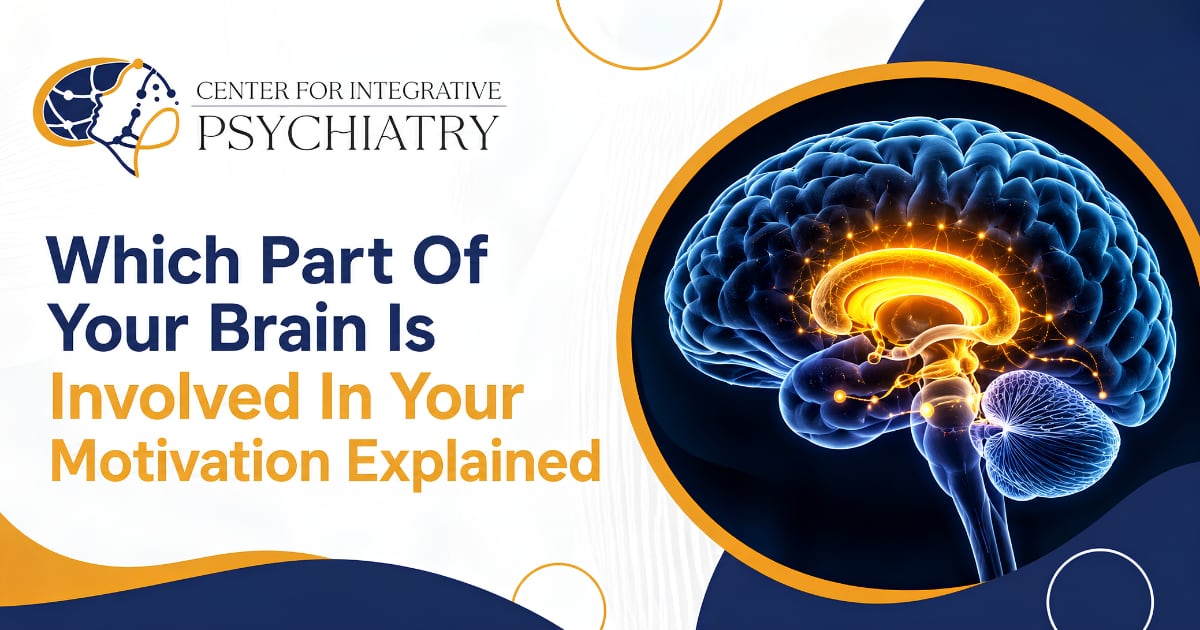
Abnormalities in certain areas of the brain, particularly those involved in regulating mood and behavior, have been linked to OCD. Imbalances in neurotransmitters, especially serotonin, are also thought to contribute to the condition.
3. Behavioral Conditioning
OCD can develop through behavioral conditioning, where certain actions become compulsive because they temporarily reduce anxiety. Over time, these behaviors become ingrained and difficult to break.
4. Cognitive Patterns
Individuals with OCD often have cognitive distortions, such as overestimating the likelihood of danger or having an inflated sense of responsibility. These thought patterns can lead to the development and maintenance of obsessions and compulsions.
5. Environmental Factors
Stressful life events, trauma, or significant changes, such as the loss of a loved one or a major life transition, can trigger or exacerbate OCD symptoms. Environmental factors often interact with genetic predispositions to influence the onset of OCD.
The Benefits of Obsessive Compulsive Disorder Inpatient Treatment
Inpatient treatment provides a comprehensive approach to managing OCD, particularly for those who have not responded to less intensive treatments. The structured environment, combined with access to specialized care, can lead to significant improvements in a relatively short period.
Long-Term Outlook for Inpatient Treatment
While inpatient treatment is intensive, it is often a critical step in the recovery journey for those with severe OCD. Many patients leave inpatient programs with a solid foundation in ERP and a better understanding of how to manage their symptoms. Continued outpatient therapy and medication management are typically recommended to maintain progress.
Conclusion
Obsessive compulsive disorder inpatient treatment offers a lifeline for individuals struggling with severe or treatment-resistant OCD. By combining intensive therapy, medication management, and a supportive environment, inpatient care can help individuals regain control over their lives. Understanding the causes and symptoms of OCD is crucial in identifying when inpatient treatment is necessary and ensuring that individuals receive the most effective care possible.
Contact Us
If you or a loved one is battling severe OCD and outpatient treatments have not been effective, consider the benefits of inpatient care. please contact the Center for Integrative Psychiatry™ today at 1-877-283-5336 to learn more about our inpatient treatment programs and how we can help.
Medical Disclaimer
The information provided in this article is for educational purposes only and is not intended as medical advice. Please consult with a qualified healthcare provider or reach out to the Center for Integrative Psychiatry™ before starting any new treatment or therapy.
Frequently Asked Questions (FAQ)
Q: What is the most effective treatment for obsessive compulsive disorder?
A: The most effective treatment combines Cognitive Behavioral Therapy (CBT), particularly Exposure and Response Prevention (ERP), with medication, typically SSRIs.
Q: When is residential treatment for OCD necessary?
A: Residential treatment is often necessary for individuals with severe OCD, especially when outpatient treatments have been ineffective, or when OCD significantly impairs daily functioning.
Q: What are the common symptoms of obsessive compulsive disorder?
A: Common symptoms include intrusive thoughts (obsessions) and repetitive behaviors (compulsions) aimed at reducing anxiety, such as excessive cleaning, checking, or counting.
Q: Can OCD become treatment-resistant?
A: Yes, some cases of OCD are resistant to traditional outpatient treatments, making inpatient care necessary for effective management.
Q: What are 5 causes of OCD?
A: The primary causes include genetic factors, brain structure and function, behavioral conditioning, cognitive patterns, and environmental factors.
This article is for education and general information. It isn't a substitute for individual medical advice, diagnosis, or treatment from a qualified clinician.
Webmaster
Articles on this blog are educational resources from the Center for Integrative Psychiatry, a multidisciplinary clinic offering evidence-based psychiatry, therapy, TMS, and integrative care for Texans since 2015. They are not medical advice — always talk with your own clinician about your care.
Meet the CIP team