
Post-Traumatic Stress Disorder (PTSD) is a debilitating condition that can significantly impact a person’s quality of life. Traditional treatments like therapy and medication have helped many, but not all find relief. TMS for PTSD (Transcranial Magnetic Stimulation) has emerged as a promising alternative for those who have not responded well to conventional treatments.
In this article, we’ll explore how TMS therapy works for PTSD, its effectiveness, and whether it’s FDA-approved. We’ll also look into TMS for complex PTSD and how it compares to other treatment options.
Understanding PTSD and Its Challenges
PTSD is a mental health condition triggered by experiencing or witnessing a traumatic event. Symptoms may include flashbacks, nightmares, severe anxiety, and uncontrollable thoughts about the event. For many, these symptoms can be overwhelming and difficult to manage with traditional therapies alone.
What is the Best Therapy for Complex PTSD?
Complex PTSD (C-PTSD) differs from standard PTSD as it arises from prolonged or repeated trauma, often in childhood. The best therapy for complex PTSD typically involves a combination of approaches, such as cognitive-behavioral therapy (CBT), eye movement desensitization and reprocessing (EMDR), and medication. However, for some, these treatments are not enough, and alternative options like TMS treatment for PTSD may be considered.
How Does TMS Treatment for PTSD Work?
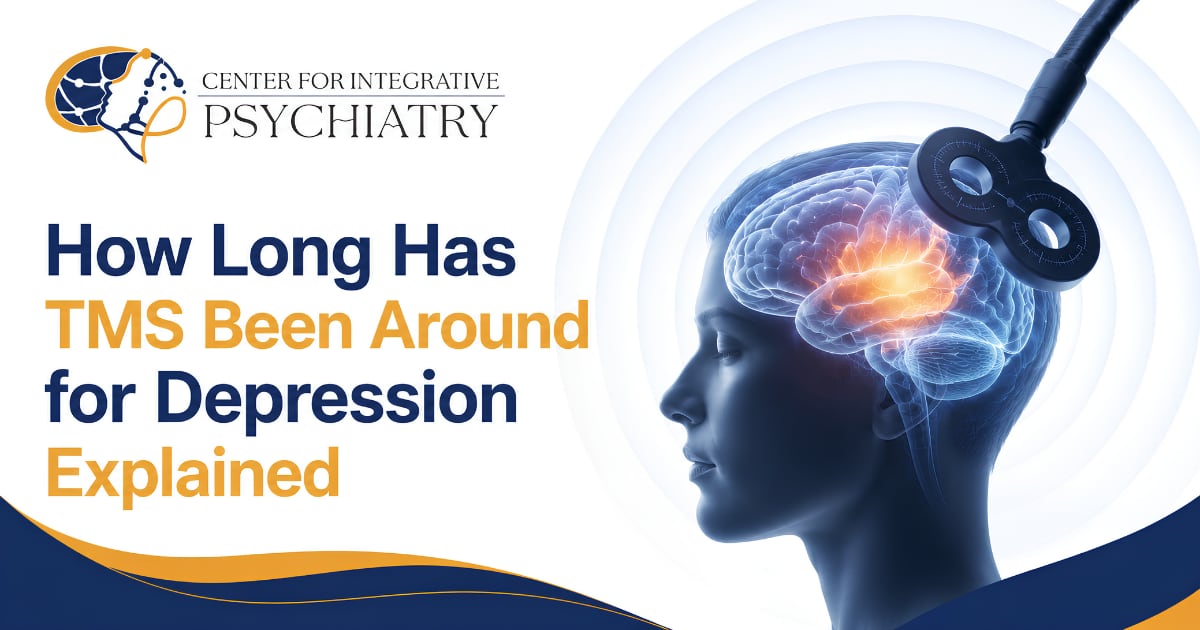
TMS treatment for PTSD involves using magnetic fields to stimulate specific areas of the brain associated with mood regulation and emotional processing. The goal is to modulate brain activity in regions that may be underactive in individuals with PTSD, thereby alleviating symptoms.
TMS Therapy for PTSD: The Process
The TMS therapy process typically involves:
- Consultation and Assessment: Before starting TMS, a thorough evaluation is conducted to determine if you’re a suitable candidate.
- Treatment Sessions: TMS therapy usually requires daily sessions, five days a week, for 4-6 weeks. Each session lasts about 30-40 minutes.
- No Downtime: Since TMS is non-invasive, patients can return to their daily activities immediately after each session.
Does TMS Work for PTSD?
Does TMS work for PTSD? Research suggests that it does, particularly for those who have not found success with other treatments. Studies have shown that TMS can significantly reduce PTSD symptoms, such as flashbacks, hypervigilance, and anxiety. Patients often report improved mood, better sleep, and a reduction in the severity of their symptoms.
TMS for Complex PTSD: A Tailored Approach
TMS for complex PTSD requires a slightly different approach than standard PTSD due to the nature of the condition. Complex PTSD involves more pervasive emotional and psychological difficulties, often related to long-term trauma. TMS can be particularly beneficial in these cases by targeting the brain areas responsible for emotional regulation and helping to break the cycle of negative thoughts and behaviors.
What is the Best Therapy for Complex PTSD and How Does TMS Fit In?
While therapies like CBT and EMDR are highly effective for many with complex PTSD, they may not be sufficient on their own for everyone. This is where TMS can play a crucial role. TMS is often used as a complementary treatment, enhancing the effects of traditional therapies by improving brain function and making the patient more receptive to psychotherapy.
Is TMS FDA Approved for PTSD?
Is TMS FDA approved for PTSD? Currently, TMS is FDA-approved for the treatment of depression, particularly for patients who have not responded to other treatments. However, its use for PTSD, while not yet FDA-approved, is gaining traction due to promising research and clinical trials. Many mental health professionals are now using TMS off-label to treat PTSD, with significant success.
Safety and Effectiveness of TMS Therapy for PTSD
While TMS is generally considered safe, it’s important to discuss any potential risks with your healthcare provider. Side effects are usually mild and may include scalp discomfort or mild headaches, which typically resolve on their own. The effectiveness of TMS therapy for PTSD continues to be supported by a growing body of research, with many patients experiencing substantial improvements in their symptoms.
What to Expect During TMS Treatment for PTSD
If you’re considering TMS therapy for PTSD, here’s what you can expect during the treatment process:
- Initial Consultation: Your healthcare provider will conduct a thorough assessment, including your medical history and any previous treatments, to determine if TMS is appropriate for you.
- Personalized Treatment Plan: Based on the assessment, a personalized treatment plan will be developed, specifying the areas of the brain to be targeted and the number of sessions required.
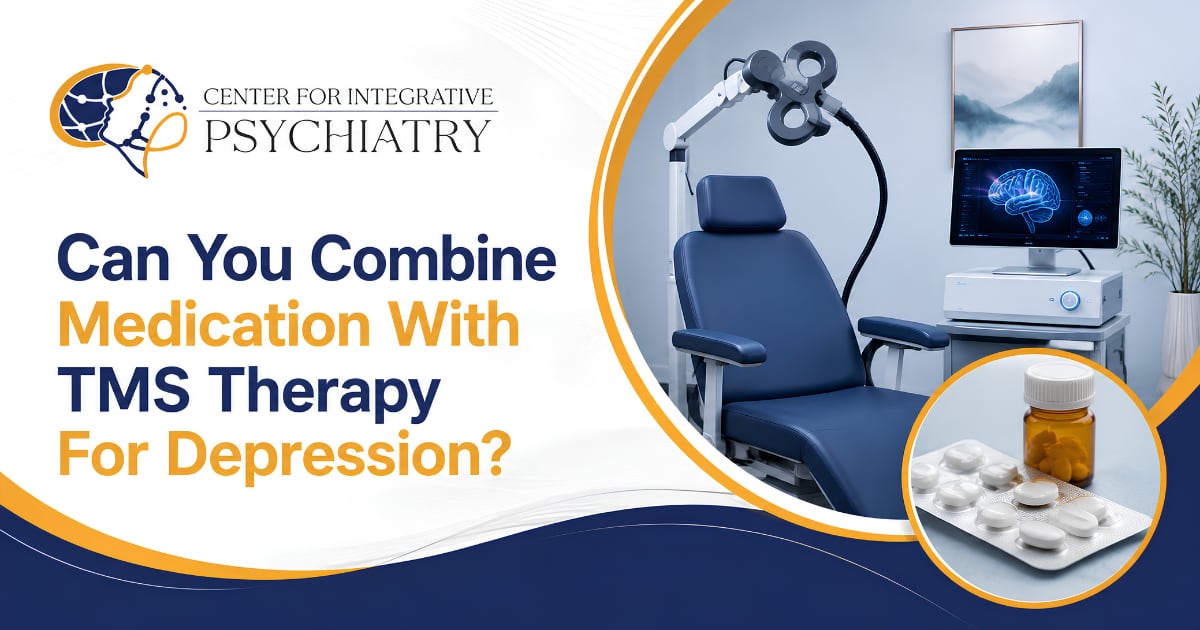
- Treatment Sessions: Each TMS session involves sitting comfortably while a magnetic coil is placed on your scalp. You’ll hear clicking sounds as the machine delivers magnetic pulses, but the procedure is generally painless.
- Monitoring and Follow-up: Throughout the treatment, your progress will be closely monitored, and adjustments may be made as necessary. Follow-up sessions or maintenance treatments might be recommended to ensure long-term success.
Conclusion
TMS for PTSD represents a revolutionary approach to treating a complex and challenging mental health condition. While traditional therapies remain essential, TMS offers a powerful alternative for those who have not found relief through other means. Its ability to target specific areas of the brain involved in PTSD makes it a valuable tool in the fight against this debilitating disorder.
Contact Us
If you or a loved one is struggling with PTSD and traditional treatments haven’t provided relief, consider exploring TMS therapy. please contact the Center for Integrative Psychiatry™ today at 1-877-283-5336 to learn more about how TMS could be a transformative part of your treatment plan.
Medical Disclaimer
The information provided in this article is for educational purposes only and is not intended as medical advice. Please consult with a qualified healthcare provider or reach out to the Center for Integrative Psychiatry™ before starting any new treatment or therapy.
Frequently Asked Questions (FAQ)
Q: What is the best therapy for complex PTSD?
A: The best therapy often involves a combination of cognitive-behavioral therapy (CBT), EMDR, and medication. TMS can be a powerful addition, especially for those who haven’t responded to traditional treatments.
Q: Does TMS work for PTSD?
A: Yes, many studies have shown that TMS can effectively reduce symptoms of PTSD, particularly in individuals who have not found success with other treatments.
Q: Is TMS FDA approved for PTSD?
A: While TMS is FDA-approved for depression, it is not yet FDA-approved specifically for PTSD. However, it is widely used off-label with promising results.
Q: What can I expect during TMS therapy for PTSD?
A: TMS therapy involves daily sessions over several weeks, with each session lasting 30-40 minutes. The procedure is non-invasive, painless, and requires no downtime.
This article is for education and general information. It isn't a substitute for individual medical advice, diagnosis, or treatment from a qualified clinician.
Webmaster
Articles on this blog are educational resources from the Center for Integrative Psychiatry, a multidisciplinary clinic offering evidence-based psychiatry, therapy, TMS, and integrative care for Texans since 2015. They are not medical advice — always talk with your own clinician about your care.
Meet the CIP team