Depression is one of the most common mental health issues in the United States, affecting millions of people, including many in the Dallas-Fort Worth area. Even though there are treatments like medication and therapy available, they don’t always work for everyone. In fact, up to one-third of people with depression have treatment-resistant depression (TRD), meaning that traditional treatments don’t provide enough relief. This is where Transcranial Magnetic Stimulation (TMS) Therapy can help—a modern, non-invasive treatment that offers hope for those who need other options.
This guide will help you understand what TMS therapy is, how it works, and why the Center for Integrative Psychiatry™ in Dallas-Fort Worth is a great choice for continuing your mental health journey. We will also explain the benefits, side effects, and the process of TMS treatment, so you can make an informed decision.
What is Depression and Why Is It Hard to Treat?
Major depressive disorder (MDD) is a serious mental health condition that affects many aspects of life. Symptoms include constant sadness, loss of interest in activities, fatigue, trouble sleeping, and difficulty concentrating. Depression can also cause changes in appetite, physical aches, and feelings of hopelessness. Studies show that up to one-third of people do not respond to standard antidepressant treatments, and even those who feel some initial relief may later experience a relapse. This makes it hard for people in the Dallas-Fort Worth area to maintain a good quality of life while dealing with ongoing symptoms.
Traditional treatments like antidepressants can have side effects, such as weight gain, fatigue, or mental fog, which makes them hard to use long-term. On top of that, if the first treatment doesn’t work, the chances of success with other treatments tend to decrease. For people who haven’t found relief through medication or therapy, treatment-resistant depression can be a big barrier to feeling better.
Because of the need for effective alternative treatments, TMS Therapy for Depression has become an important option. TMS directly targets parts of the brain that control mood, providing a treatment that doesn’t rely on medications and is usually well-tolerated.
What is TMS Therapy for Depression?
Transcranial Magnetic Stimulation (TMS) is a non-invasive, FDA-approved treatment for depression that hasn’t responded well to other treatments like medications. TMS uses electromagnetic pulses to stimulate the dorsolateral prefrontal cortex, which is a part of the brain involved in mood regulation. Unlike Electroconvulsive Therapy (ECT), TMS does not require anesthesia and doesn’t cause seizures, making it a safer and more comfortable option for many patients.
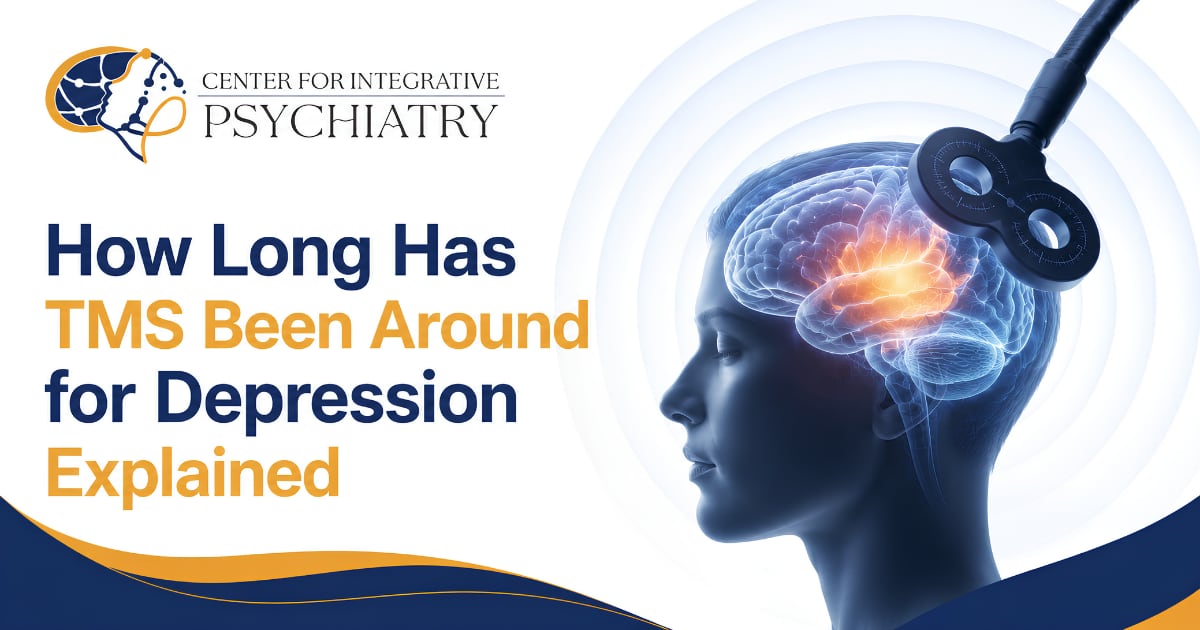
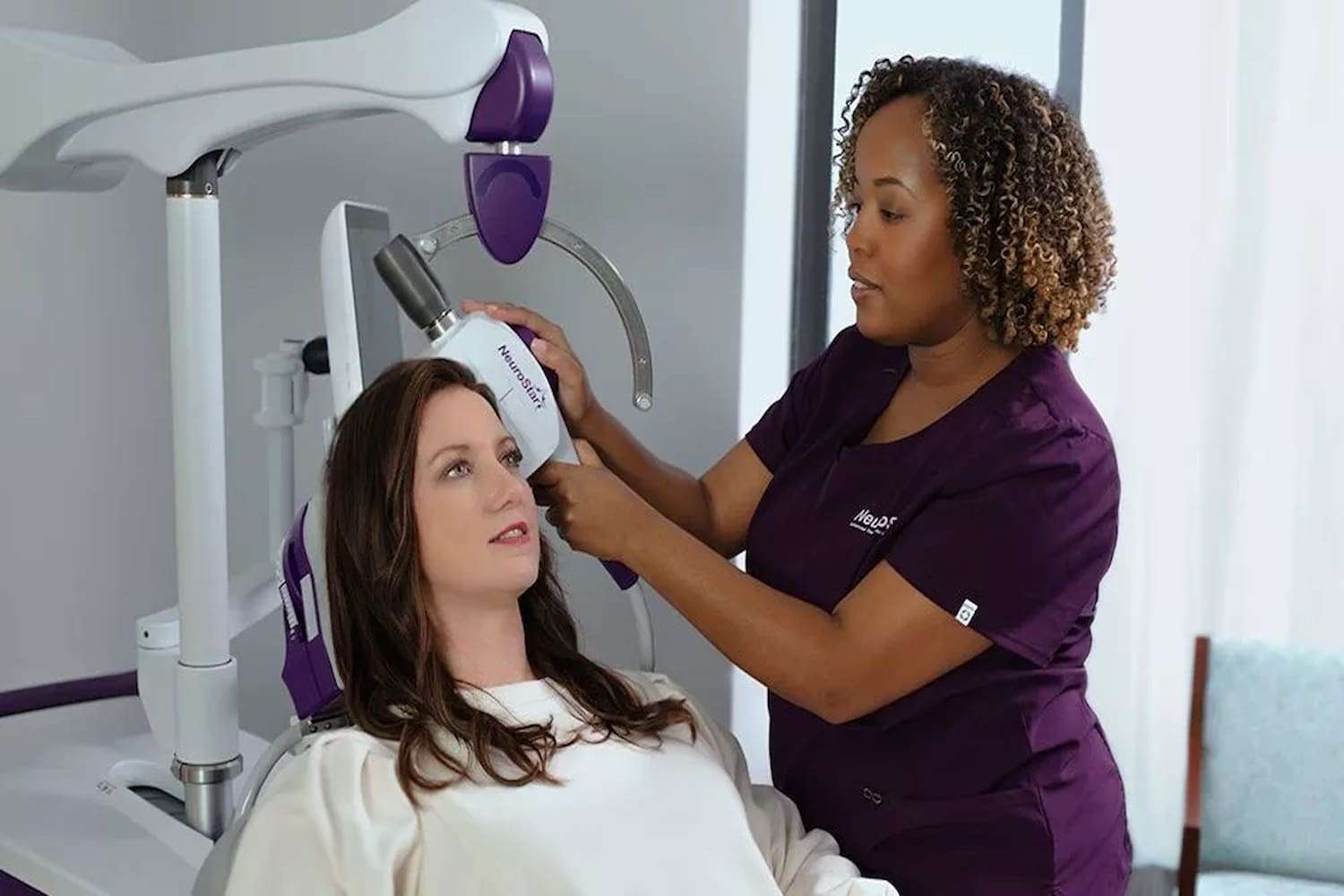
During TMS therapy, an electromagnetic coil is placed near the scalp, and it sends magnetic fields into specific brain regions to stimulate or inhibit neuronal activity. This helps “reset” areas of the brain that are less active in people with depression. TMS is believed to improve the way brain cells communicate and form healthier connections, which can lead to symptom relief. The NeuroStar TMS Therapy for Depression System was the first FDA-cleared device for TMS and is widely used to treat treatment-resistant depression.
How Does TMS Therapy for Depression Work?
TMS therapy involves placing an electromagnetic coil on the scalp, which delivers magnetic pulses that activate brain cells. This stimulation helps “reset” areas of the brain that are less active in people with depression. These pulses are given repeatedly, a process known as repetitive TMS (rTMS). By stimulating the brain’s prefrontal cortex, TMS aims to restore normal brain activity and improve mood.
While medications require daily adherence, TMS sessions are administered by healthcare professionals, providing structured and consistent treatment. It helps the brain form new, healthier connections, which is why it can be effective for reducing depression symptoms.
Benefits of TMS Therapy for Depression
- Non-Invasive: TMS therapy is completely non-surgical and doesn’t require anesthesia. Patients stay awake and alert during the sessions, so there’s no need for hospitalization or recovery time. This makes TMS a good option for those who want to avoid the risks of surgery or other invasive treatments.
- Minimal Side Effects: Unlike medications, which can cause side effects like nausea, fatigue, or cognitive problems, TMS usually only causes mild headaches or scalp discomfort, which go away after the first few sessions. The NeuroStar system has been shown to have a good safety profile, with very few patients stopping treatment due to side effects. Although rare, there is a small risk of seizures associated with TMS therapy. However, this risk is less than 0.1% and is similar to the risk associated with antidepressant medications.
- Effective for Treatment-Resistant Depression: Research indicates that TMS therapy can improve symptoms in approximately 50-60% of people with treatment-resistant depression, with about 30% achieving full remission (George et al., 2010). In real-world settings, remission rates with the NeuroStar TMS Therapy for Depression System can be as high as 41%, making it a promising option for people who haven’t responded to other treatments.
- Long-Lasting Effects: Many patients feel long-term relief after finishing TMS therapy. While some may need occasional maintenance treatments, the benefits of TMS can last much longer compared to other treatments, providing sustained relief.
- Outpatient Procedure: TMS is an outpatient treatment, which means you can go home right after each session. It fits easily into daily routines without needing to take time off work or make major lifestyle changes.
Who Can Benefit from TMS Therapy for Depression?
TMS Therapy for Depression is a good option for adults with major depressive disorder who haven’t responded well to at least two antidepressant medications of adequate dose and duration or who cannot tolerate the side effects of these medications. It can be especially helpful for those who continue to experience symptoms after trying multiple treatments or who can’t tolerate the side effects of medications. TMS is a great option for those who prefer a treatment that doesn’t involve medications or for those with medical conditions that prevent them from taking antidepressants.
However, TMS may not be suitable for people who have a history of seizures or have metal implants near the treatment area, like cochlear implants or certain types of brain implants. Before starting treatment, patients are thoroughly evaluated to make sure TMS is a safe and appropriate option. For those who qualify, TMS can provide significant relief from depression symptoms, allowing them to enjoy activities they may have lost interest in due to depression.
What to Expect During TMS Therapy for Depression
A typical TMS treatment involves daily sessions, five days a week, for four to six weeks. Each session lasts between 20 to 50 minutes. During the session, you sit comfortably while a technician places the coil on your head and administers the treatment. The magnetic pulses might feel like tapping on the scalp, but most people find it tolerable after the first few sessions.
Most patients start feeling better after two to three weeks, but some may take longer. Improvements might include better mood, increased energy, and the ability to enjoy life again. While medications require daily adherence, TMS sessions are administered by healthcare professionals, providing structured and consistent treatment. The NeuroStar TMS Therapy for Depression System also includes personalized brain mapping to make sure the magnetic pulses are targeting the right areas, which helps make each treatment more effective.
Patients also appreciate the support they receive during TMS therapy, as they can regularly talk to their healthcare team and adjust treatment as needed. After the main treatment course, some patients may benefit from “booster” sessions to maintain their progress. These booster sessions can be scheduled depending on how the patient feels over time.
Why Choose the Center for Integrative Psychiatry™ for TMS Therapy for Depression?
The Center for Integrative Psychiatry™ in Dallas-Fort Worth takes a holistic approach to mental health care. By combining advanced treatments like TMS with psychiatric expertise, the center helps address not just the symptoms of depression but also contributing factors to promote overall well-being. This means patients receive well-rounded care that looks at multiple aspects of their mental health.
The center focuses on personalized care, creating treatment plans that are tailored to each person’s needs. Patients are evaluated for their symptoms and other factors that might impact their mental health, like lifestyle, stress, and physical health conditions. The Center for Integrative Psychiatry™ uses a mix of evidence-based treatments, including TMS, talk therapy, and lifestyle changes, to help patients get the best outcomes.
With state-of-the-art equipment and a caring, experienced team, the center is committed to providing the highest quality mental health services to the Dallas-Fort Worth community. The use of cutting-edge technology, like the NeuroStar TMS Therapy for Depression System, means patients get the most up-to-date and effective treatment. The team works closely with each patient to monitor their progress, make changes as needed, and support them throughout their journey.
Evidence of Success: Clinical Research on TMS Therapy for Depression
Research has shown that TMS therapy is effective for treating depression. In a large clinical trial, patients who received TMS had remission rates that were significantly higher than those who received a placebo treatment, with patients being 4.2 times more likely to reach remission. These results show that TMS is a valid treatment for people who haven’t had success with other methods. Studies also show that patients who undergo TMS treatment are more likely to see a significant reduction in symptoms compared to those who only use traditional medications.
Long-term studies have also shown that TMS can provide lasting relief. Many patients choose to have “booster” sessions to help maintain their progress, with some studies showing that the benefits of TMS can last up to a year. For example, a study funded by the National Institute of Mental Health (NIMH) found that NeuroStar TMS Therapy for Depression led to lasting improvements for up to a year in 62% of patients.
Patients who have tried TMS therapy often report that it has helped them reconnect with their loved ones, return to activities they enjoy, and regain control of their lives. The long-term benefits of TMS make it a hopeful option for people who have struggled for years without finding effective relief.
Frequently Asked Questions About TMS Therapy for Depression
- Is TMS therapy covered by insurance? Coverage can vary greatly between insurance providers, so it’s important to contact your insurer to understand your specific benefits and any out-of-pocket costs. Most insurance companies, including Medicare, do cover TMS therapy for treatment-resistant depression if certain requirements are met.
- Does TMS therapy hurt? Some patients feel mild discomfort or a headache during or after the session, especially at the beginning. These symptoms are usually temporary and go away as treatment continues. Most patients get used to the tapping sensation after a few sessions.
- How soon will I notice improvements? Most patients begin feeling better after two to three weeks, but the full benefits might take until the end of the treatment cycle. The timeline can vary, so it’s important to be patient and stick with the treatment plan.
- How long do the results last? Studies show that TMS can provide relief for a year or longer. Some patients schedule booster sessions if symptoms return, which can help maintain the benefits of the initial treatment.
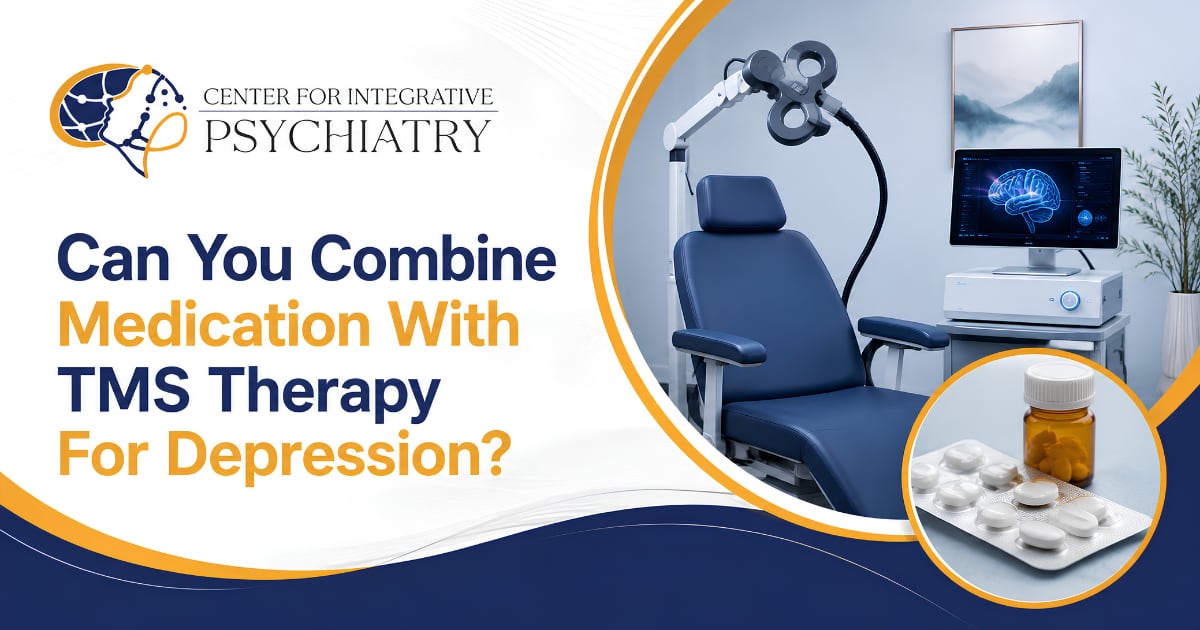
- Can I continue taking my medications during TMS therapy? Yes, TMS therapy can be used along with medications. Some patients may be able to reduce or stop their medications after successful TMS treatment, but it’s important to work closely with your healthcare provider.
- What should I expect during a TMS session? During a TMS session, you’ll sit in a comfortable chair while a technician positions the electromagnetic coil on your head. You’ll hear a clicking sound and feel a tapping sensation, but it’s generally well-tolerated. Each session lasts between 20 to 50 minutes, and you can return to your usual activities right afterward.
Conclusion
For people dealing with treatment-resistant depression, TMS therapy offers a hopeful path to recovery. With its non-invasive nature, high success rate, and minimal side effects, TMS is changing how we approach mental health treatment. The Center for Integrative Psychiatry™ in Dallas-Fort Worth is committed to helping patients find lasting relief with innovative, evidence-based care.
Disclaimer
This blog is intended for informational purposes only and should not be considered medical advice. Always seek the guidance of a licensed medical professional for the diagnosis and treatment of any medical condition. The Center for Integrative Psychiatry™ disclaims any liability for decisions made based on the information provided in this blog.
This article is for education and general information. It isn't a substitute for individual medical advice, diagnosis, or treatment from a qualified clinician.
Webmaster
Articles on this blog are educational resources from the Center for Integrative Psychiatry, a multidisciplinary clinic offering evidence-based psychiatry, therapy, TMS, and integrative care for Texans since 2015. They are not medical advice — always talk with your own clinician about your care.
Meet the CIP team