
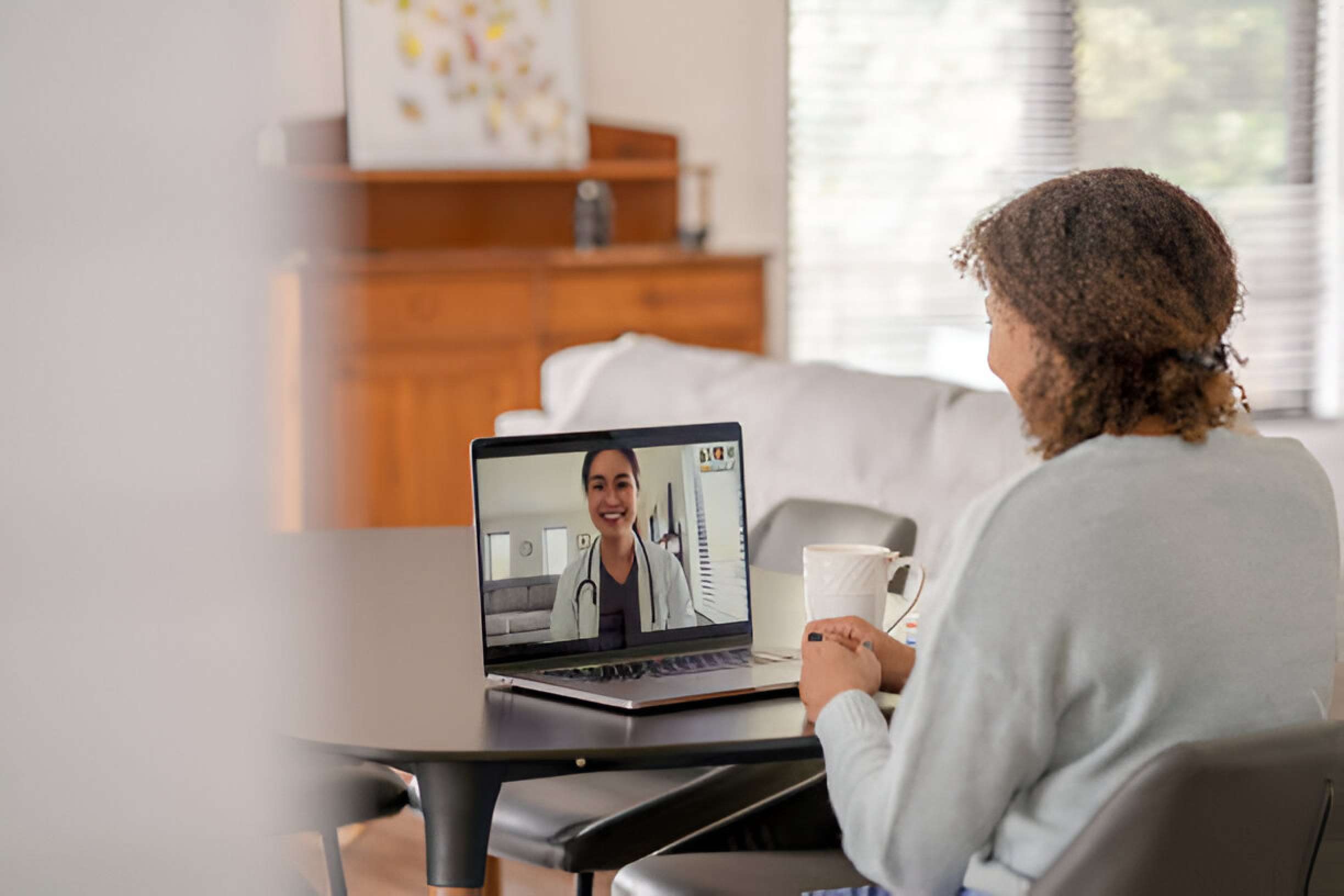
Telehealth has revolutionized the way healthcare is delivered, offering patients the convenience of virtual consultations. However, it’s essential to understand how telehealth compares to traditional in-person care. Both approaches have unique advantages and limitations, and knowing their differences can help you make informed decisions about your healthcare.
At the Center for Integrative Psychiatry™, we specialize in providing both telehealth and in-person mental health services, ensuring comprehensive care tailored to each patient’s needs.
Key Differences Between Telehealth and In-Person Care
1. Accessibility and Convenience
- Telehealth: Patients can attend appointments from the comfort of their homes, eliminating the need for travel. This is particularly beneficial for those in remote areas or with mobility issues.
- In-Person Care: Requires traveling to a healthcare facility, which may be challenging for some individuals.
2. Nature of Interaction
- Telehealth: Communication is primarily digital, relying on video calls, phone calls, or messaging platforms. This may feel less personal for some patients.
- In-Person Care: Offers face-to-face interactions, which can foster a stronger sense of connection and trust between patient and provider.
3. Scope of Services
- Telehealth: Suitable for consultations, follow-ups, therapy sessions, and managing chronic conditions. However, it is limited in providing physical examinations and certain diagnostic tests.
- In-Person Care: Allows for comprehensive physical assessments, laboratory tests, and hands-on procedures that are not possible via telehealth.
4. Technology Dependence
- Telehealth: Requires a stable internet connection and access to devices such as smartphones, tablets, or computers. Technical issues can disrupt the quality of care.
- In-Person Care: Does not rely on technology, ensuring uninterrupted interactions.
5. Cost Implications
- Telehealth: Often more affordable due to reduced overhead costs for providers and no travel expenses for patients.
- In-Person Care: May involve higher costs due to facility fees and travel-related expenses.
Benefits of Telehealth
- Increased Accessibility: Ideal for patients in rural or underserved areas.
- Time-Saving: Eliminates the need for commuting and waiting in clinics.
- Privacy: Patients can receive care from the privacy of their homes.
- Continuity of Care: Facilitates regular follow-ups, especially for chronic conditions.
Benefits of In-Person Care
- Comprehensive Diagnosis: Enables physical examinations and diagnostic tests.
- Enhanced Connection: Builds rapport through face-to-face interactions.
- Immediate Intervention: Allows for immediate hands-on care and emergency response.
Challenges of Telehealth
- Technical Barriers: Requires internet access and familiarity with digital tools.
- Limited Physical Assessment: Certain conditions may require in-person evaluations.
- Privacy Concerns: Digital platforms may pose security risks if not properly encrypted.
Challenges of In-Person Care
- Time and Travel: Patients may face long commutes and waiting times.
- Accessibility Issues: Not ideal for individuals with mobility limitations or in remote locations.
- Higher Costs: Facility fees and travel expenses can add up.
Understanding Virtual Appointments
Virtual appointments, a core aspect of telehealth, involve connecting with healthcare providers through secure online platforms. These appointments are designed to offer:
- Ease of Access: Patients can schedule and attend appointments from anywhere.
- Flexibility: Ideal for those with busy schedules or mobility challenges.
- Comprehensive Discussions: While physical exams are not possible, virtual appointments are excellent for follow-ups, medication management, and initial consultations.
Factors Influencing Patients’ Preferences
Many patients appreciate the convenience of telehealth but may still prefer in-person care for certain needs. Factors influencing preferences include:
- Condition Complexity: Chronic illnesses or mental health therapy may be managed effectively through telehealth, while acute conditions might require in-person visits.
- Comfort Levels: Some patients feel more comfortable discussing sensitive topics face-to-face.
- Access to Technology: Limited access or unfamiliarity with digital tools can make telehealth less appealing.
Addressing Security and Privacy Concerns in Telehealth
Ensuring patient confidentiality is critical for telehealth platforms. Effective measures include:
- Encryption: Secure communication platforms to protect sensitive information.
- Regulations Compliance: Adherence to HIPAA or similar standards to safeguard patient data.
- Patient Education: Providing guidelines to patients on how to maintain their privacy during virtual appointments.
The Role of Hybrid Care Models
At the Center for Integrative Psychiatry™, we utilize hybrid care models to integrate telehealth and in-person visits, offering comprehensive solutions such as:
- Initial Telehealth Consultation: To gather medical history and discuss symptoms.
- Follow-Up In-Person Visit: For physical exams, tests, or procedures.
- Long-Term Monitoring: Using telehealth for chronic condition management combined with periodic in-person check-ups.
Counseling Through Telehealth and In-Person Channels
Counseling is an essential healthcare service, and both telehealth and in-person formats have their strengths:
- Telehealth Counseling: Convenient for regular sessions, especially for patients with mobility issues or those living in remote areas.
- In-Person Counseling: Offers a stronger rapport and a safe space for sensitive discussions and crisis intervention.
At the Center for Integrative Psychiatry™, our counseling services are designed to meet the unique needs of every patient, ensuring flexible options through telehealth or in-person care.
Preparing for Telehealth Appointments
To ensure a smooth telehealth experience, consider the following:
- Technical Setup: Ensure a stable internet connection and a quiet, private location.
- Documentation: Have medical records, a list of current medications, and questions ready.
- Follow-Up Steps: Clarify post-appointment actions, such as prescription pick-up or scheduling further tests.
Future Trends in Healthcare Delivery
As technology advances, the integration of telehealth and in-person care will deepen, driven by:
- Wearable Technology: Devices to monitor real-time health data remotely.
- AI in Healthcare: AI-powered tools to enhance diagnostics and streamline administrative tasks.
- Virtual Reality Therapy: Expanding into rehabilitation and mental health treatment.
Conclusion
Telehealth vs in-person care each have their strengths and limitations. While telehealth excels in accessibility and convenience, in-person care is indispensable for physical assessments and hands-on procedures. A hybrid approach can offer the best of both worlds, providing flexibility, efficiency, and comprehensive care.
At the Center for Integrative Psychiatry, we are committed to delivering personalized healthcare solutions that leverage both telehealth and in-person care to meet your needs. By understanding these differences and evaluating your healthcare preferences, you can make informed choices to achieve optimal health outcomes.
Medical Disclaimer:
This information is for educational purposes only and is not a substitute for professional medical advice, diagnosis, or treatment. Always consult a healthcare provider with any questions or concerns
This article is for education and general information. It isn't a substitute for individual medical advice, diagnosis, or treatment from a qualified clinician.
Webmaster
Articles on this blog are educational resources from the Center for Integrative Psychiatry, a multidisciplinary clinic offering evidence-based psychiatry, therapy, TMS, and integrative care for Texans since 2015. They are not medical advice — always talk with your own clinician about your care.
Meet the CIP team