
If you or someone you love is exploring alternatives to medication for depression, you’ve probably come across TMS therapy. Short for Transcranial Magnetic Stimulation, this treatment has gained momentum for its non-invasive, drug-free approach to treating mood disorders, especially in people who haven’t responded well to antidepressants.
But what are the real TMS therapy results before and after treatment? What does the journey actually look like, before and after TMS therapy, and what happens in the days and weeks that follow?
Let’s walk through what you can realistically expect, plus the timeline of improvement, and even some patient experience highlights.
What Is TMS Therapy? A Quick Refresher
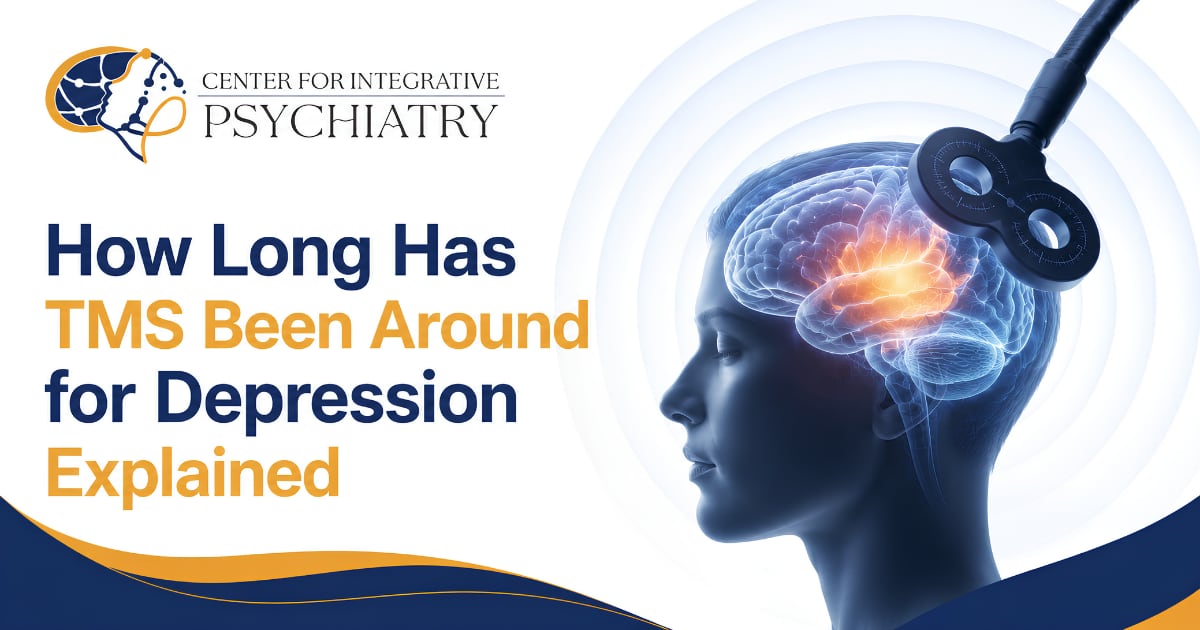
TMS (Transcranial Magnetic Stimulation) is an FDA-approved therapy primarily used to treat major depressive disorder. It uses targeted magnetic pulses to stimulate parts of the brain involved in mood regulation, without the need for anesthesia, hospitalization, or long recovery.
It’s often recommended for people who haven’t found relief from traditional medication or talk therapy alone.
What to Expect Before TMS Therapy?
Before beginning your first session, your provider will:
- Conduct a psychiatric and physical evaluation
- Discuss your medical history and current medications
- Map the precise area of your brain to be targeted
- Customize the stimulation settings for your needs
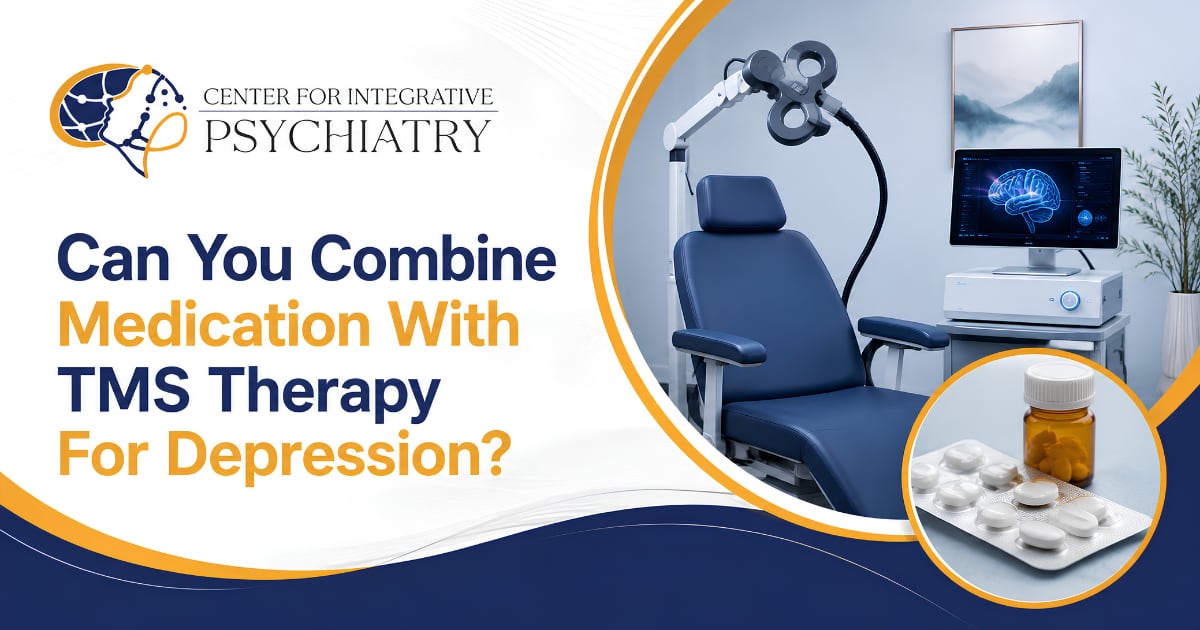
Most patients start treatment with daily sessions, 5 days a week, for 4 to 6 weeks. Each session typically lasts about 20 to 40 minutes.
What you WON’T need:
- No sedation or anesthesia
- No downtime, you can drive yourself home after
This means that, unlike other treatments, before and after magnetic therapy, your daily schedule stays mostly intact.
How It Feels During TMS?
Most patients describe TMS as feeling like a tapping sensation or mild pulses on the scalp. While it may be uncomfortable during the first few sessions, it’s not painful for most people.
Side effects are generally minimal and may include:
- Scalp discomfort
- Mild headaches
- Facial muscle twitching
These symptoms typically subside as your body adjusts to the therapy.
TMS Therapy Results: Before and After Changes
So, what kind of before-and-after TMS therapy changes are we talking about?
Mental Health Improvements:
- Improved mood and emotional stability
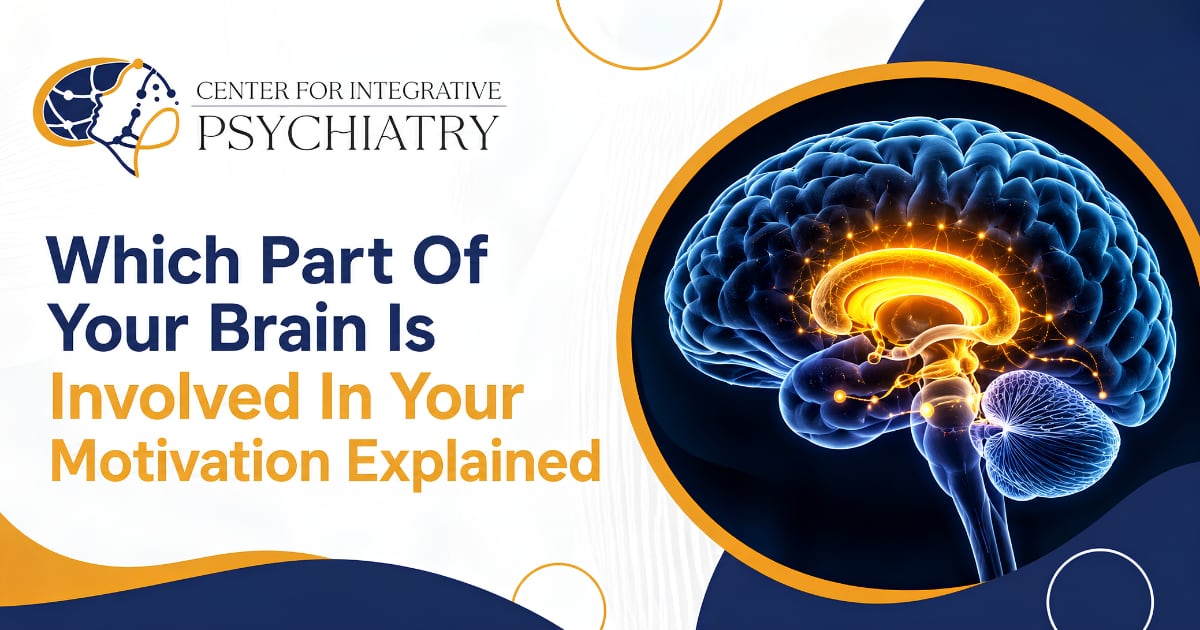
- Increased motivation and energy
- Better sleep patterns
- Greater focus and clarity
- Reduced anxiety symptoms
For many, these shifts begin to show by the second or third week of treatment. However, TMS therapy improvement timelines vary based on the severity and history of depression.
TMS Results Photos – Before and After?
While TMS results photos before and after aren’t common in the way cosmetic treatments are, many providers share patient stories before and after TMS to highlight the emotional and psychological transformation, through testimonials, videos, or self-reported changes in daily life.
What Happens After TMS Treatment Ends?
Post-TMS Therapy Recovery:
The good news? There’s no major “recovery” period after TMS therapy. You can resume your normal activities immediately. There’s also no cognitive impairment, unlike with some medications.
However, staying on top of your progress is key. After the initial course of therapy, providers may recommend:
- Follow-up evaluations
- Maintenance TMS sessions (optional)
- Continued therapy or medication (if necessary)
How Long Do TMS Benefits Last?
Most patients experience long-lasting effects for 6 months to over a year. Some require booster sessions down the line, especially if depressive symptoms begin to return.
Who Benefits Most from TMS Therapy?
TMS works best for people with treatment-resistant depression, but it can also help those with:
- Anxiety disorders
- OCD (Obsessive-Compulsive Disorder)
- PTSD
- Bipolar depression (in some cases)
It’s also ideal for people looking for a non-pharmacological approach to improving their mental health.
Final Thoughts
If you’re looking for real, sustainable improvement in depression without the baggage of side effects from meds, TMS therapy may be worth exploring. And while everyone’s “before and after TMS therapy” journey looks different, many patients report experiencing life-changing improvements in their mental health and overall quality of life.
Whether you’re just curious or seriously considering it, don’t hesitate to talk to a provider who can evaluate your case and guide you through the next steps.
Because sometimes, a new approach is exactly what you need, and TMS might just be that turning point.
FAQs
1. How long until I see results after TMS therapy?
Many patients begin noticing improvement around the second or third week of treatment, but optimal results usually appear after 4–6 weeks.
2. What changes should I expect immediately after TMS sessions?
Most people can expect improved focus, slightly elevated mood, and better energy within a few sessions. Side effects may include mild scalp discomfort or fatigue.
3. Can I see depressed mood improvements in before-and-after photos or stories?
While there are no standard photos like with physical treatments, patient stories often describe profound emotional and lifestyle improvements.
4. What common side effects occur after TMS treatment?
The most common include temporary scalp tenderness, headache, or minor twitching during sessions. Severe side effects are rare.
5. How long do TMS benefits last after finishing the therapy course?
Benefits can last 6–12 months or longer. Maintenance sessions or combining with therapy/medication can help prolong results.
This article is for education and general information. It isn't a substitute for individual medical advice, diagnosis, or treatment from a qualified clinician.
Webmaster
Articles on this blog are educational resources from the Center for Integrative Psychiatry, a multidisciplinary clinic offering evidence-based psychiatry, therapy, TMS, and integrative care for Texans since 2015. They are not medical advice — always talk with your own clinician about your care.
Meet the CIP team