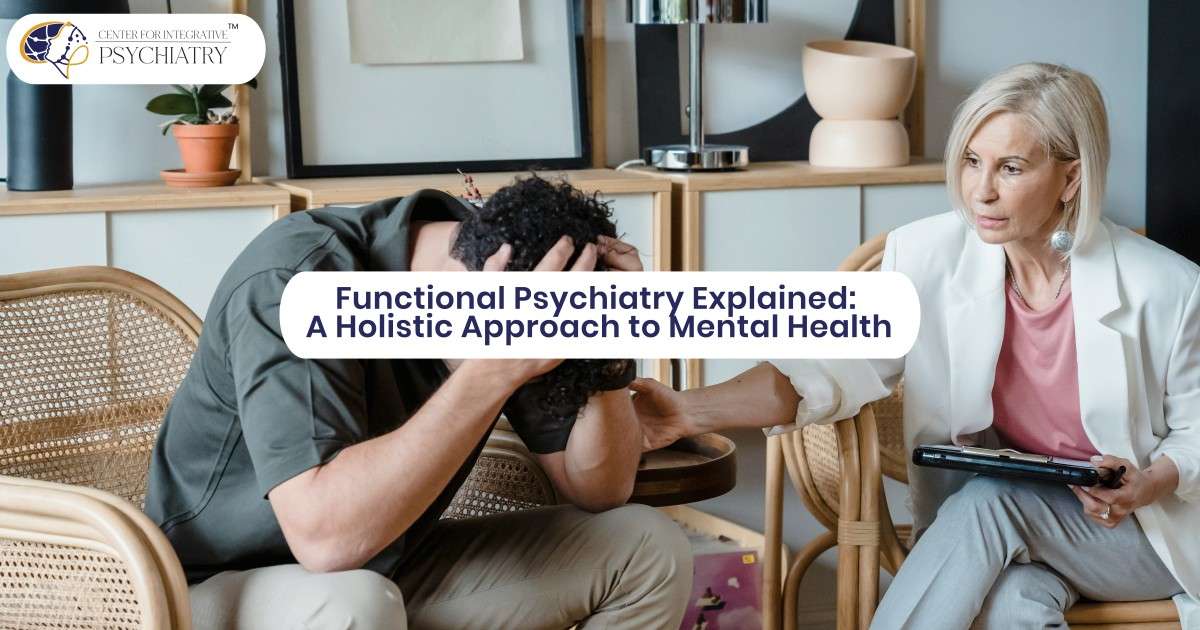

Integrative psychiatry is an emerging field that blends conventional psychiatric treatments with alternative and complementary therapies. It offers a more holistic approach to mental health care by focusing on the whole person — mind, body, and spirit. In this article, we’ll explore what integrative psychiatry is, how it works, and how it combines science with wellness to achieve better mental health outcomes.
What Is Integrative Psychiatry?
Integrative psychiatry combines traditional psychiatric practices, such as therapy and medication, with holistic treatments like nutritional counseling, acupuncture, and mindfulness techniques.
- Focus: It focuses on the root causes of mental health issues, addressing both physical and psychological factors rather than just treating symptoms.
- Comprehensive Care: This approach aims to treat the whole person, considering lifestyle, environment, and mental health to create a tailored treatment plan.
The Role of Functional Medicine in Integrative Psychiatry
Functional medicine enhances integrative psychiatry by addressing the root causes of mental health conditions with a holistic, personalized approach that considers genetics, environment, and lifestyle.
-
What Is Functional Medicine Psychiatry?
Functional medicine psychiatry is a branch of integrative psychiatry that focuses on identifying the physiological causes of mental health conditions. This might include imbalances in nutrition, hormones, or gut health.
-
Connection to Mental Health:
Functional medicine and mental health are deeply connected. Functional psychiatrists often look at the body’s systems (e.g., digestive, immune, endocrine) to identify potential imbalances contributing to mental health conditions like depression, anxiety, and ADHD.
-
Treating the Root Cause:
Unlike traditional psychiatry, which may focus primarily on symptom management with medication, functional psychiatry emphasizes finding and correcting the underlying causes, often through diet, supplements, and lifestyle changes.
What Does a Functional Medicine Psychiatrist Do?
- Personalized Treatment Plans: A functional medicine psychiatrist looks at a patient’s history, lifestyle, diet, and genetic factors to create a personalized mental health treatment plan.
- Integrating Conventional and Alternative Therapies: They may combine psychotherapy and prescription medications with alternative therapies like acupuncture, nutritional changes, and mindfulness practices to address the patient’s mental health holistically.
- Ongoing Monitoring and Adjustments: Functional psychiatrists monitor progress through regular follow-ups, adjusting treatments as needed to ensure the best outcomes.
Are Functional Medicine Doctors Legitimate?
-
Legitimacy of Functional Medicine:
Yes, functional medicine doctors are legitimate and typically have medical training (MDs or DOs) with additional certifications or experience in functional medicine. However, it’s essential to research the qualifications of any practitioner to ensure they are properly credentialed.
-
Medical Approach with a Holistic Focus:
Functional medicine offers a science-backed approach to mental health by using evidence-based treatments combined with a focus on lifestyle changes, nutrition, and environmental factors.
How to Find a Functional Mental Health Practitioner Near You
- Search Online: Look for a functional mental health practitioner through reputable websites, which list qualified functional medicine practitioners.
- Consultation: Many practitioners offer initial consultations to discuss your specific needs, treatment options, and approaches to mental health.
- Referrals: Ask your current healthcare provider or therapist for recommendations if you’re interested in exploring integrative psychiatry or functional medicine psychiatry.
Benefits of Integrative Psychiatry
- Personalized Care: Tailored treatment plans based on individual needs.
- Holistic Approach: Treats both the mind and body, considering factors like diet, lifestyle, and physical health.
- Addressing Root Causes: Focuses on identifying and correcting underlying causes of mental health issues.
- Long-Term Wellness: Aims to improve not only mental health symptoms but also overall well-being.
Conclusion
Integrative psychiatry offers a comprehensive approach to mental health care that goes beyond the traditional methods. By combining science with wellness practices, it treats the root causes of mental health disorders and addresses the whole person.
If you’re looking for a more holistic approach, seeking a functional medicine psychiatrist near you might be a good step in your mental health journey. Whether you’re interested in functional medicine and mental health, or simply want to explore functional psychiatry, integrative psychiatry offers a personalized and effective solution to improving mental health.
FAQs
Q1. What is an integrative approach to mental health?
An integrative approach to mental health combines conventional psychiatric treatments (like therapy and medication) with complementary therapies (such as nutrition, exercise, acupuncture, and mindfulness) to treat the whole person, not just the symptoms.
Q2. What is functional and integrative psychiatry?
Functional psychiatry focuses on understanding the physiological causes of mental health issues, often looking at factors like diet, genetics, and lifestyle. Integrative psychiatry combines this with conventional treatments and complementary therapies to provide a holistic, personalized care plan.
Q3. What is the meaning of integrative treatment?
Integrative treatment refers to a comprehensive approach that combines traditional medical treatments with alternative and holistic therapies, aiming to address both physical and emotional factors contributing to health.
Q4. Do holistic psychiatrists prescribe medication?
Yes, holistic psychiatrists may prescribe medication when necessary. However, they typically combine medication with lifestyle changes, nutrition, and other therapies to address the root causes of mental health issues.
Medical Disclaimer
The information on this blog is for educational purposes only and is not a substitute for professional medical advice, diagnosis, or treatment. Always consult a healthcare provider for concerns about your health. In case of a medical emergency, call 911 immediately.
This article is for education and general information. It isn't a substitute for individual medical advice, diagnosis, or treatment from a qualified clinician.
Webmaster
Articles on this blog are educational resources from the Center for Integrative Psychiatry, a multidisciplinary clinic offering evidence-based psychiatry, therapy, TMS, and integrative care for Texans since 2015. They are not medical advice — always talk with your own clinician about your care.
Meet the CIP team