
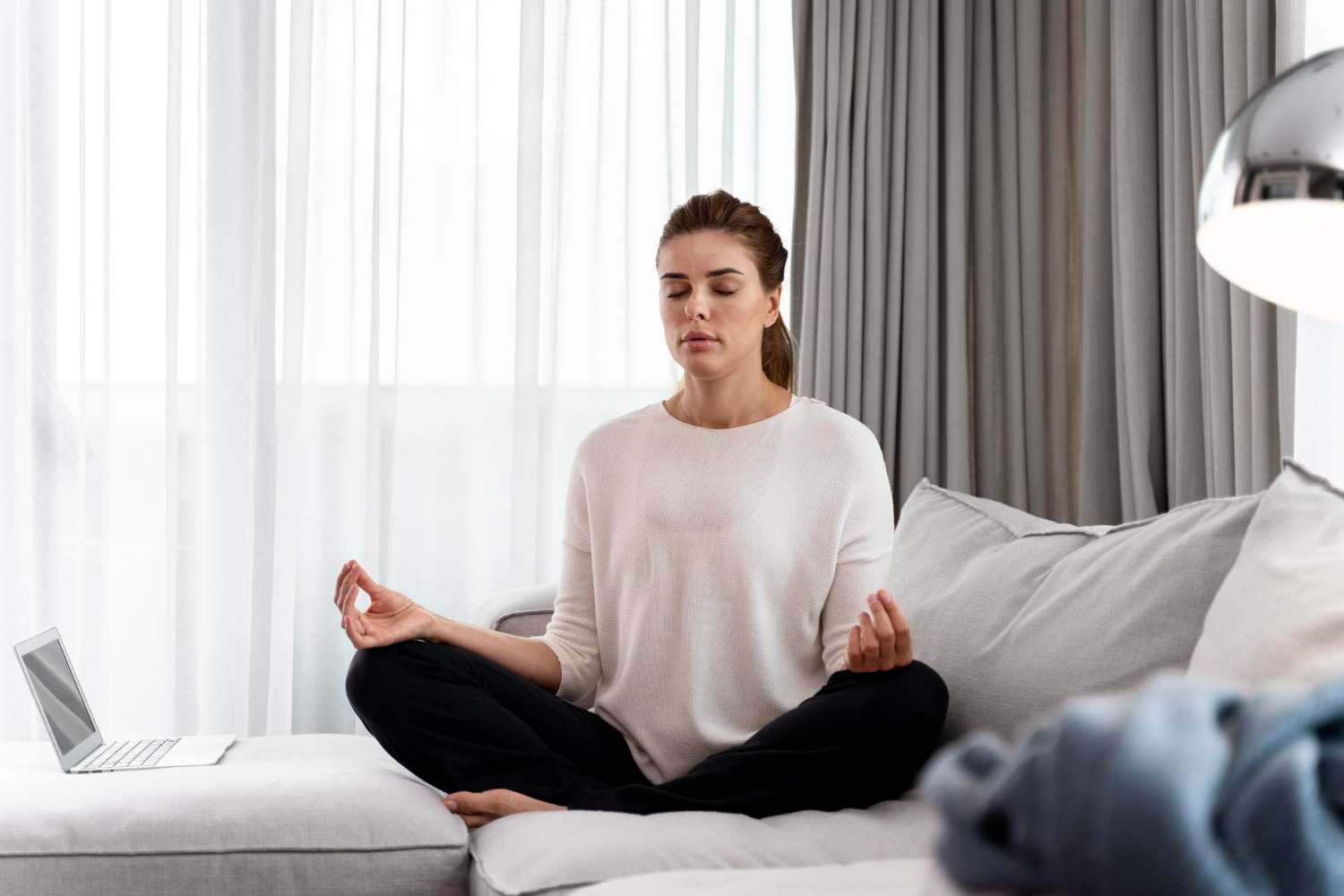
Living with bipolar disorder can be challenging, but there are complementary approaches that can help manage symptoms and improve mental health. One such approach is meditation for bipolar, which has been gaining recognition for its therapeutic benefits. In this article, we will explore the connection between bipolar disorder and meditation, and how mindfulness practices can aid in managing the condition.
Understanding Bipolar Disorder
Bipolar disorder is a mental health condition characterized by periods of extreme mood swings, ranging from manic highs to depressive lows. It affects millions of people worldwide, causing significant distress and impairment in daily life. While medication and therapy are conventional treatments, many individuals are seeking alternative approaches to supplement their care.
Can Meditation Cure Bipolar Disorder?
While meditation is not a replacement for standard treatment, it can be a valuable addition to a comprehensive care plan. Meditation has been shown to reduce symptoms of bipolar depression, improve mood stability, and enhance overall well-being. By incorporating meditation into their routine, individuals with bipolar disorder may experience improved emotional regulation, reduced stress, and increased self-awareness.
Meditation Techniques for Bipolar Disorder
Several meditation techniques can be beneficial for managing bipolar disorder symptoms. These include:
Mindfulness Meditation for Bipolar Disorder
Mindfulness meditation involves being present in the moment, observing thoughts and emotions without judgment. This practice can help individuals with bipolar disorder develop greater self-awareness, allowing them to recognize early warning signs of mood shifts and take proactive steps to manage them.
Loving-Kindness Meditation
Loving-kindness meditation focuses on cultivating compassion and kindness towards oneself and others. This practice can help individuals with bipolar disorder develop a more positive self-image, reduce self-criticism, and improve relationships.
Transcendental Meditation
Transcendental meditation involves the use of a mantra to quiet the mind and access a deeper state of consciousness. This practice has been shown to reduce symptoms of anxiety and depression, common comorbidities with bipolar disorder.
Guided Imagery Meditation
Guided imagery meditation involves using visualization techniques to create a peaceful and calming environment. This practice can help individuals with bipolar disorder reduce stress, anxiety, and promote relaxation.
Movement Meditation
Movement meditation combines physical movement with mindfulness techniques, such as yoga or tai chi. This practice can help individuals with bipolar disorder improve mood stability, reduce symptoms of depression, and enhance overall physical health.
Meditation for Healing Illness
Meditation is not only beneficial for mental health but also has physical benefits. Regular meditation practice has been shown to:
- Reduce blood pressure
- Improve sleep quality
- Boost immune function
- Decrease chronic pain
- Reduce symptoms of anxiety and depression
- Improve cognitive function and focus
The Science Behind Meditation and Bipolar Disorder
Research has shown that meditation can have a positive impact on brain function and structure, particularly in areas affected by bipolar disorder. Meditation has been shown to:
- Increase grey matter in the hippocampus, an area involved in mood regulation
- Reduce activity in the amygdala, an area involved in emotional reactivity
- Improve connectivity between brain regions, enhancing communication and coordination
Incorporating Meditation into Your Routine
If you’re interested in exploring meditation for bipolar disorder, here are some tips to get started:
- Begin with short sessions (5-10 minutes) and gradually increase duration
- Find a quiet, comfortable space for meditation
- Use guided meditation apps or videos to assist you
- Be patient and consistent – meditation is a practice that takes time to develop
- Incorporate meditation into your daily routine, such as first thing in the morning or before bed
Common Challenges and Tips for Overcoming Them
Difficulty Quieting the Mind
- Start with short sessions and gradually increase duration
- Use guided meditation apps or videos to assist you
- Focus on your breath or a mantra to quiet the mind
Difficulty Staying Motivated
- Find a meditation buddy or join a meditation group
- Track your progress and set goals for yourself
- Reward yourself for consistent practice
Feeling Overwhelmed
- Start with short sessions and gradually increase duration
- Focus on your breath or a mantra to calm the mind
- Take breaks and come back to your practice when you feel ready
Benefits of Meditation for Bipolar Disorder
- Reduces symptoms of bipolar depression
- Improves mood stability
- Enhances self-awareness
- Reduces stress and anxiety
- Improves sleep quality
- Boosts immune function
- Decreases chronic pain
- Improves cognitive function and focus
How to Get Started with Meditation
- Begin with short sessions (5-10 minutes) and gradually increase duration
- Find a quiet, comfortable space for meditation
- Use guided meditation apps or videos to assist you
- Be patient and consistent – meditation is a practice that takes time to develop
- Incorporate meditation into your daily routine, such as first thing in the morning or before bed
Additional Resources
- National Institute of Mental Health (NIMH) – Bipolar Disorder
- American Psychological Association (APA) – Meditation and Mindfulness
- Mindfulness-Based Cognitive Therapy (MBCT) – A treatment approach incorporating meditation and mindfulness
Frequently Asked Questions
Can I practice meditation if I’m not experiencing symptoms?
Yes, meditation can be beneficial for overall mental health and well-being, regardless of symptoms.
How often should I practice meditation?
Aim for daily practice, even if it’s just a few minutes.
Can I use meditation as a replacement for conventional treatment?
No, meditation should be used as a complementary approach, not a replacement for standard treatment.
Additional Tips and Resources
- Keep a meditation journal to track your progress and reflect on your experiences
- Explore different meditation techniques to find what works best for you
- Join a meditation group or find a meditation buddy for support and motivation
- Use mindfulness apps, such as Headspace or Calm, to guide your meditation practice
- Read books and articles on meditation and mindfulness to deepen your understanding and inspire your practice
Remember, meditation is a journey, and consistency is key. With patience, persistence, and an open mind, you can experience the benefits of meditation for yourself.
Summary
Medical Disclaimer: This article is for informational purposes only and should not be considered medical advice. Consult with a qualified healthcare professional for personalized guidance on managing bipolar disorder.
Contact Us
If you have any questions or would like to learn more about our services, please don’t hesitate to reach out.
At the Center for Integrative Psychiatry™, we understand the complexities of bipolar disorder and the importance of a comprehensive treatment plan. Our team of experienced professionals is dedicated to providing compassionate and individualized care, incorporating conventional treatments with complementary approaches like meditation. For more information please contact the Center For Integrative Psychiatry at 1-877-283-5336.
This article is for education and general information. It isn't a substitute for individual medical advice, diagnosis, or treatment from a qualified clinician.
Webmaster
Articles on this blog are educational resources from the Center for Integrative Psychiatry, a multidisciplinary clinic offering evidence-based psychiatry, therapy, TMS, and integrative care for Texans since 2015. They are not medical advice — always talk with your own clinician about your care.
Meet the CIP team