
Our brains control everything we do, feel, and think daily. Sometimes, these brainwaves get out of sync, causing stress or distraction. Are you curious to know what is Neurofeedback Therapy and how it works? This non-invasive method trains your brain to function more efficiently. Let us explore how this innovative training can improve your mental health.
At Texas CIP, we specialize in providing cutting-edge mental health solutions that treat the whole person. Our team offers a range of customized options including Telehealth, Mental Health Therapy, TMS, Medication Management, and Functional Psychiatry. We also utilize Life Coaching, Nutritional Psychiatry, and Naturopathy to support your wellness journey. If you struggle with conditions like Anxiety Disorders, Obsessive Compulsive Disorder (OCD), Schizophrenia & Psychosis, Bipolar Disorder, Grief & Loss, ADHD, PTSD, or Depression, we are here to help. Our clinical team works closely with you to design a personalized treatment pathway that blends evidence-based neuroscience with holistic lifestyle practices for long-term health.
Understanding What Is Neurofeedback Therapy And How It Works
The brain operates on electrical impulses known as brainwaves. Irregular brainwaves can lead to issues with daily mood, sleep, and overall focus. Knowing what is Neurofeedback Therapy helps you understand how we can target these brainwave imbalances. This gentle process measures real-time brainwave activity and guides your nervous system toward self-regulation.
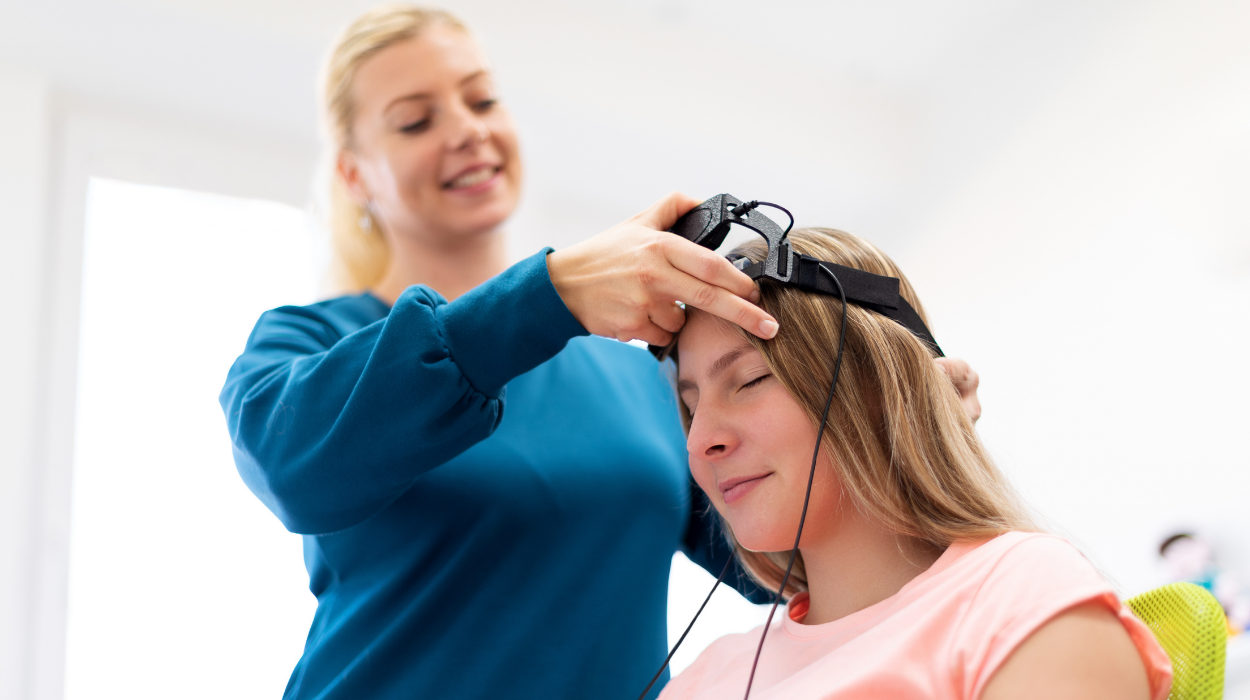
During a typical session, advanced computer systems read your brainwave activity using small sensors placed on the scalp. When your brain produces organized and healthy patterns, the program rewards you with immediate visual or auditory cues. Over time, your brain naturally learns to replicate these optimal patterns even when you are not in therapy.
The Science Behind Neurofeedback Brain Training Texas
To appreciate how this therapy works, we must look at neuroplasticity, which is the brain’s ability to reorganize itself. Using professional Neurofeedback brain training Texas programs allows individuals to actively guide this natural neuroplastic process. Instead of using temporary external fixes, this approach teaches your nervous system to balance itself from within.
How Real-Time Feedback Retrains Your Brain
During training, you might watch a preferred movie or play a simple game. If your brainwave patterns drift into an unfocused state, the screen dims or the audio volume drops. As you correct your focus, the screen brightens and the sound returns to normal. This instant positive reinforcement teaches your brain to maintain calm, productive states.
Conditions That Benefit From Neurofeedback Treatment
Many neurological and psychological struggles stem directly from persistent brainwave dysregulation. Through targeted Neurofeedback treatment, you can address the root electrical imbalances that cause distressing emotional symptoms. This makes brain training a highly versatile option for clients seeking comprehensive and lasting relief.
For individuals seeking Neurofeedback for anxiety Coppell clinics can provide specialized local support to quiet an overactive nervous system. Similarly, children and adults struggling with focus can turn to ADHD neurofeedback therapy Dallas programs for custom attention support. Retraining the brain offers a gentle, drug-free pathway to managing these life-disrupting conditions.
Many common mental health conditions respond beautifully when we retrain the brain:
- Anxiety Disorders, by calming hyper-arousal and soothing nervous system tension.
- ADHD, by increasing slow-wave control to improve sustained attention.
- PTSD, by helping the nervous system release deep-seated trauma responses safely.
- Depression, by gently stimulating areas associated with motivation and positive mood.
- Obsessive Compulsive Disorder (OCD), by disrupting repetitive loops of intrusive thoughts.
What To Expect During Neurofeedback Sessions For Focus
Your first training session is designed to be comfortable, safe, and entirely non-invasive. Many professionals and students schedule Neurofeedback sessions for focus to overcome brain fog and enhance daily mental productivity. Knowing what to expect beforehand can help you feel confident and relaxed during your visit.
A trained clinician will place small, sensitive sensors on your scalp to read brain activity. These sensors only read incoming electrical signals and never send currents back into your body. You will sit comfortably in a chair while watching a monitor or listening to calm music. Your brain naturally does all the work as it responds to the positive cues.
How To Choose The Best Neurofeedback Providers In Dallas Texas
Selecting a qualified team is essential for achieving the best results on your healing path. Finding the best neurofeedback providers in Dallas Texas requires looking for clinicians who focus on highly individualized protocols. A customized approach is necessary because every brain features its own unique wave patterns.
Consider these key factors when researching local practitioners:
- Look for certified practitioners with specialized training in qEEG brain mapping.
- Choose a provider who creates personalized protocols based on an initial brain assessment.
- Ensure the practice integrates brain training with other supportive medical services.
- Select a team that regularly tracks progress and adjusts your protocol.
Combining Neurofeedback With Integrative Mental Health Care
At Texas CIP, we recognize that true emotional wellness requires addressing your physical and mental health together. While brain training is powerful, its positive effects multiply when joined with other evidence-based practices. Pairing neurofeedback with options like functional psychiatry and nutritional psychiatry gives your brain the biological support it needs to adapt. Adding life coaching and traditional mental health therapy helps you build strong coping skills and healthy habits.
Frequently Asked Questions About Neurofeedback
Starting a new mental health treatment naturally brings up several practical questions about how the process fits into your life. To guide your decision, we have answered the most common inquiries regarding brainwave training below:
- Who is a good candidate for this type of brain training? Almost anyone looking to improve focus, manage stress, or address neurological struggles is a good candidate. It is safe for children, teenagers, and adults.
- What does a typical therapy session feel like? A session is painless and relaxing, as you sit in a comfortable chair. You will not feel any physical sensations or electrical currents.
- When can I expect to see lasting improvements? Many notice subtle improvements in sleep and stress within ten sessions. Lasting structural changes generally require twenty to forty consistent sessions.
- Where should I go for professional training in Texas? You can find professional, evidence-based care at comprehensive centers like Texas CIP. We offer personalized brain retraining alongside supportive psychiatric services.
- How does this training differ from psychiatric medication? While medication temporarily alters brain chemistry, brain training teaches your nervous system to regulate itself. This provides a long-term, drug-free alternative or support.
Achieving Your Mental Wellness Goals
Embarking on a journey to improve your brain health is a powerful step toward a bright, balanced future. Learning what is Neurofeedback Therapy is your first step toward understanding how your brain can adapt and heal. Taking a proactive approach to your cognitive health can help you break free from long-standing struggles.
At Texas CIP, we are committed to helping you achieve lasting mental wellness through personalized, integrative care. Our team of compassionate experts is ready to guide you through every step of your healing journey. Whether you are dealing with depression, anxiety, PTSD, or simply looking to improve your daily focus, we can create a custom treatment plan that fits your life. Contact Texas CIP today to schedule your initial consultation and discover how our advanced therapeutic services can help you thrive.
Texas Center for Integrative Psychiatry Physician: Dr. Tahir Khwaja, MD Phone: (469) 557-2646 Email: info@texascip.com
Disclaimer: The information provided in this article is for educational and informational purposes only and is not intended as medical advice. This content should not be used as a substitute for professional medical diagnosis, treatment, or advice. Always consult with a qualified healthcare provider or psychiatric specialist regarding any mental health concerns or treatment decisions.
This article is for education and general information. It isn't a substitute for individual medical advice, diagnosis, or treatment from a qualified clinician.
Webmaster
Articles on this blog are educational resources from the Center for Integrative Psychiatry, a multidisciplinary clinic offering evidence-based psychiatry, therapy, TMS, and integrative care for Texans since 2015. They are not medical advice — always talk with your own clinician about your care.
Meet the CIP team