
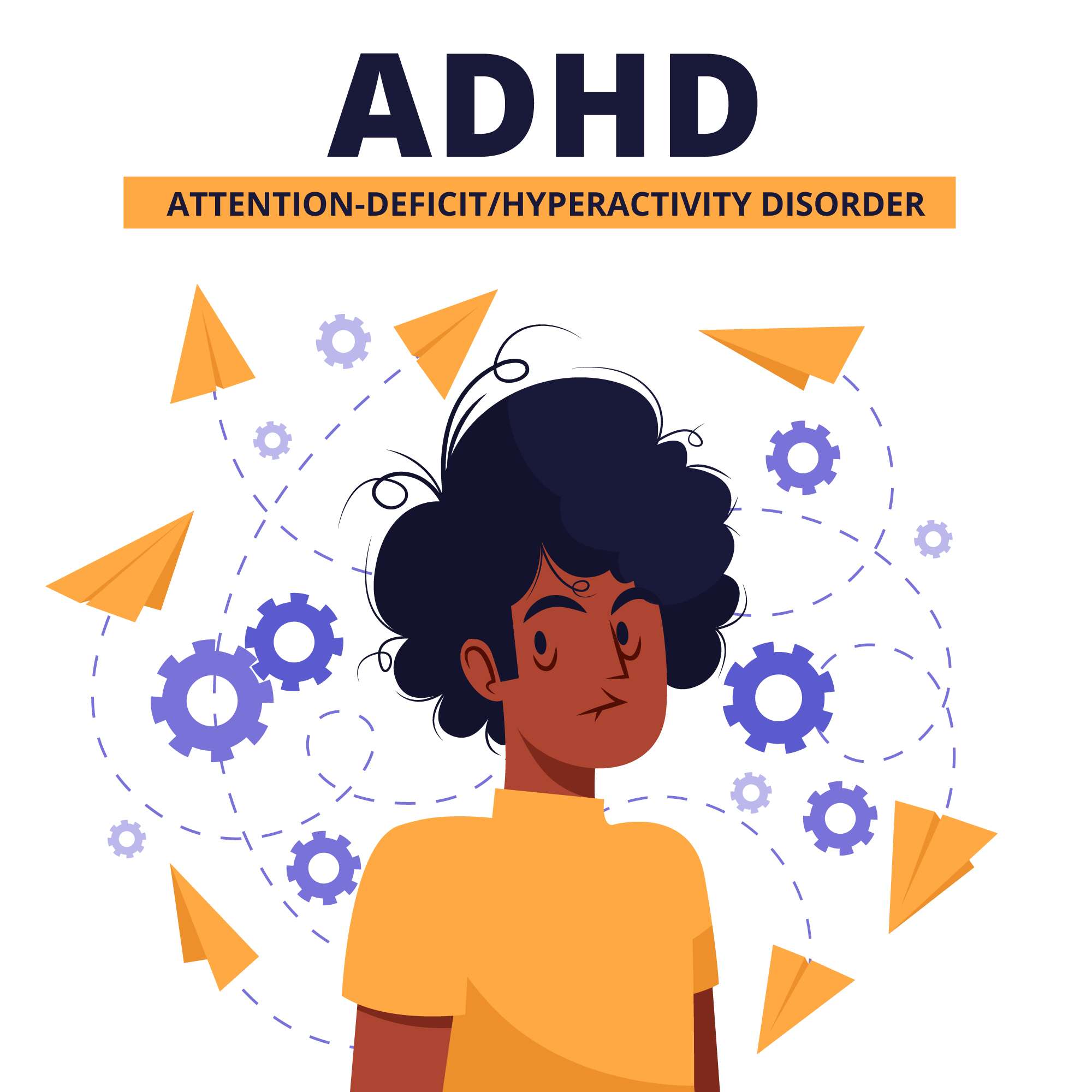
Living with ADHD (Attention-Deficit/Hyperactivity Disorder) can feel like constantly juggling deadlines, distractions, and emotional ups and downs. For many, Cognitive Behavioral Therapy (CBT) offers practical strategies to regain focus, build structure, and take control of daily life. Whether used on its own or alongside medication, CBT has become a powerful, research-backed tool for managing ADHD.
In this blog, we’ll explore the most effective CBT techniques for ADHD, explain how they work, and provide actionable exercises to help you or your loved one manage symptoms more effectively.
What Is CBT and How Does It Help with ADHD?
Cognitive Behavioral Therapy (CBT) is a structured, goal-oriented form of talk therapy that focuses on changing negative thought patterns and behaviors. While CBT was initially developed to treat depression and anxiety, it has since evolved to become a cornerstone of behavioral therapy for ADHD, especially in adolescents and adults.
Unlike some traditional therapies, CBT is practical. It focuses on present challenges, teaches CBT skills for ADHD, and helps you learn to manage time, regulate emotions, and reduce procrastination.
Why CBT Is a Game-Changer for ADHD
ADHD impacts more than just focus, it affects self-esteem, emotional regulation, planning, and follow-through. CBT for adult ADHD addresses these struggles head-on by:
- Building executive functioning skills
- Identifying and replacing unhelpful thinking patterns
- Creating structure and accountability
- Reducing emotional reactivity and impulsive decision-making
- Improving self-awareness and self-acceptance
Top CBT Techniques and Exercises for Managing ADHD
Let’s take a closer look at some of the most effective CBT interventions for ADHD that are widely used in therapy sessions and self-help programs.
1. Thought Record Journaling
This technique helps individuals identify distorted thinking (e.g., “I never finish anything”) and replace it with more realistic, compassionate thoughts.
How to use it:
- Record the triggering situation.
- Write down the automatic negative thought.
- Challenge the thought with facts.
- Replace it with a more balanced perspective.
Goal: Reduce self-criticism and develop cognitive flexibility.
2. Behavioral Activation and Scheduling
ADHD can make people avoid tasks due to overwhelm. Behavioral scheduling helps you break tasks down and create visual structure.
How to use it:
- Plan your day in advance using a planner or app.
- Break tasks into 10-15 minute steps.
- Use timers and visual reminders.
Goal: Boost productivity and reduce procrastination.
3. Time Awareness and Delay Strategies
People with ADHD often struggle with “time blindness.” CBT helps develop a realistic sense of how long tasks take and how to pause before acting on impulses.
How to use it:
- Use countdown timers.
- Try the “wait 5 minutes” rule before reacting.
- Keep a log of how long tasks actually take.
Goal: Improve impulse control and time estimation.
4. Mindful Attention Training
CBT often incorporates mindfulness to help ADHD individuals slow down and refocus attention.
How to use it:
- Try 3-5 minutes of breathing meditation daily.
- Practice mindful eating, walking, or listening.
- Notice distractions without judgment and return to your task.
Goal: Increase focus and reduce emotional reactivity.
5. CBT Checklists and Worksheets
Using structured CBT activities for ADHD like worksheets and checklists can make daily decision-making easier and reduce overwhelm.
Examples:
- Weekly goal planners
- Emotional triggers tracker
- Distraction log
- Problem-solving flowcharts
Goal: Build routines and reinforce self-monitoring.
6. Cognitive Reframing for Emotional Regulation
CBT helps reframe intense emotional responses by exploring the beliefs behind them.
How to use it:
- Identify the situation and your emotional reaction.
- Explore the thought driving the emotion.
- Ask: Is this thought accurate? Helpful?
- Replace it with a more balanced statement.
Goal: Reduce frustration, shame, and impulsive anger.
7. Reward-Based Behavior Plans
CBT can help build new habits by rewarding small wins.
How to use it:
- Identify a goal (e.g., “Finish one work report”).
- Break it into steps.
- Set a meaningful reward (e.g., 20 mins of screen time, a coffee).
- Track completion daily.
Goal: Motivate follow-through and build consistency.
Can CBT Be Combined with Medication?
Yes, absolutely. Research shows that combining CBT with medication can significantly enhance symptom control in people with ADHD. Medication may reduce core symptoms like distractibility, while CBT equips you with lifelong coping strategies for executive dysfunction and emotional struggles.
FAQs About CBT for ADHD
What is Cognitive Behavioral Therapy (CBT) and how does it help with ADHD?
CBT is a form of talk therapy that helps you understand and change unhelpful thought and behavior patterns. In ADHD, it teaches practical skills like planning, focus, emotional control, and task management.
Are there specific CBT exercises recommended for adults with ADHD?
Yes, exercises like thought journaling, behavior scheduling, cognitive reframing, and time awareness training are highly effective for adults. These are usually part of CBT programs for ADHD.
Can CBT be combined with medication for better ADHD management?
Yes. Many individuals benefit from a combined approach. Medication targets neurochemical imbalances, while CBT targets the behavioral and emotional challenges of ADHD.
How long does it typically take to see results from CBT for ADHD?
Results vary, but many people notice improvements in focus and emotional regulation within 8–12 sessions. Continued practice leads to more lasting change.
Are there online resources or worksheets available for CBT exercises targeting ADHD?
Yes, many therapists provide CBT worksheets for ADHD, and reputable mental health platforms offer downloadable resources, self-guided programs, and coaching.
Final Thoughts
ADHD can feel like an invisible struggle, but with the right strategies, it’s absolutely manageable. CBT techniques for ADHD provide structure, clarity, and emotional relief. Whether you’re an adult juggling work and home life or a teen learning to navigate responsibilities, CBT can offer the roadmap you’ve been missing.
Need Professional Guidance?
At the Center for Integrative Psychiatry, we offer personalized CBT for adult ADHD and adolescents, combining therapy, holistic care, and, when needed, medication management.
Ready to learn how CBT can transform your focus and daily life?
Schedule your ADHD consultation today
Medical Disclaimer
This article is for informational purposes only and is not a substitute for professional medical advice, diagnosis, or treatment. Always seek the guidance of your mental health provider or physician with any questions you may have regarding a medical condition.
This article is for education and general information. It isn't a substitute for individual medical advice, diagnosis, or treatment from a qualified clinician.
Webmaster
Articles on this blog are educational resources from the Center for Integrative Psychiatry, a multidisciplinary clinic offering evidence-based psychiatry, therapy, TMS, and integrative care for Texans since 2015. They are not medical advice — always talk with your own clinician about your care.
Meet the CIP team