Transcranial Magnetic Stimulation (TMS) has become an effective, non-invasive treatment option for individuals struggling with treatment-resistant depression. With the growing popularity of TMS, one of the most common questions patients ask is: How long do the effects of TMS last? Understanding the longevity of TMS benefits can help you determine if this treatment is the right choice for your mental health journey.
How Does TMS Work?
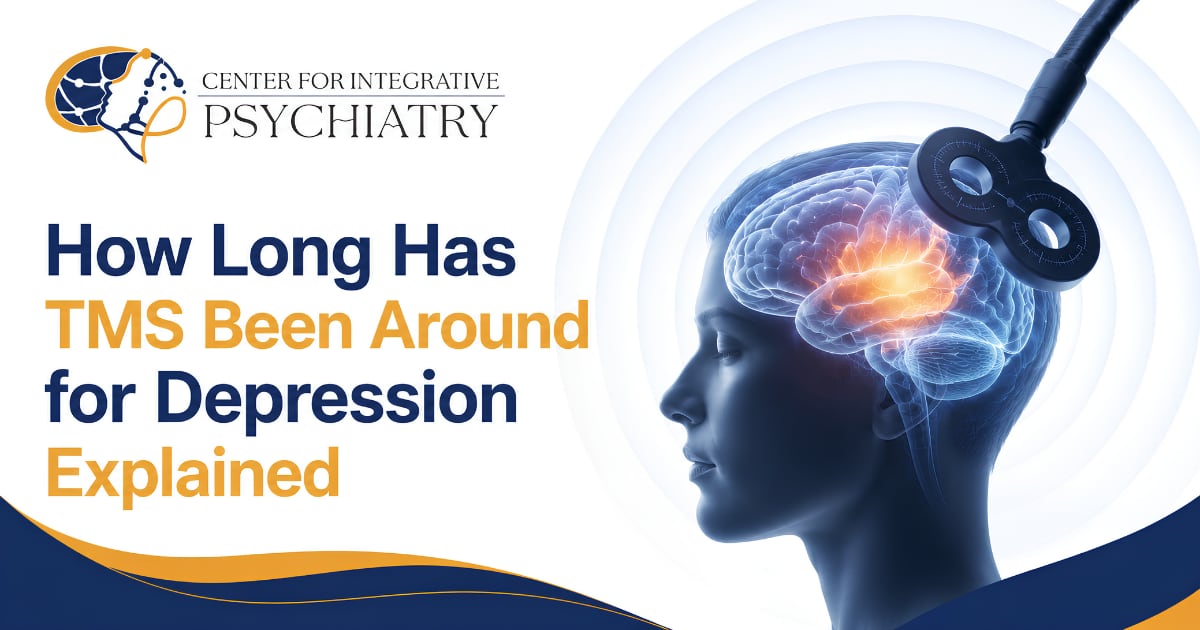
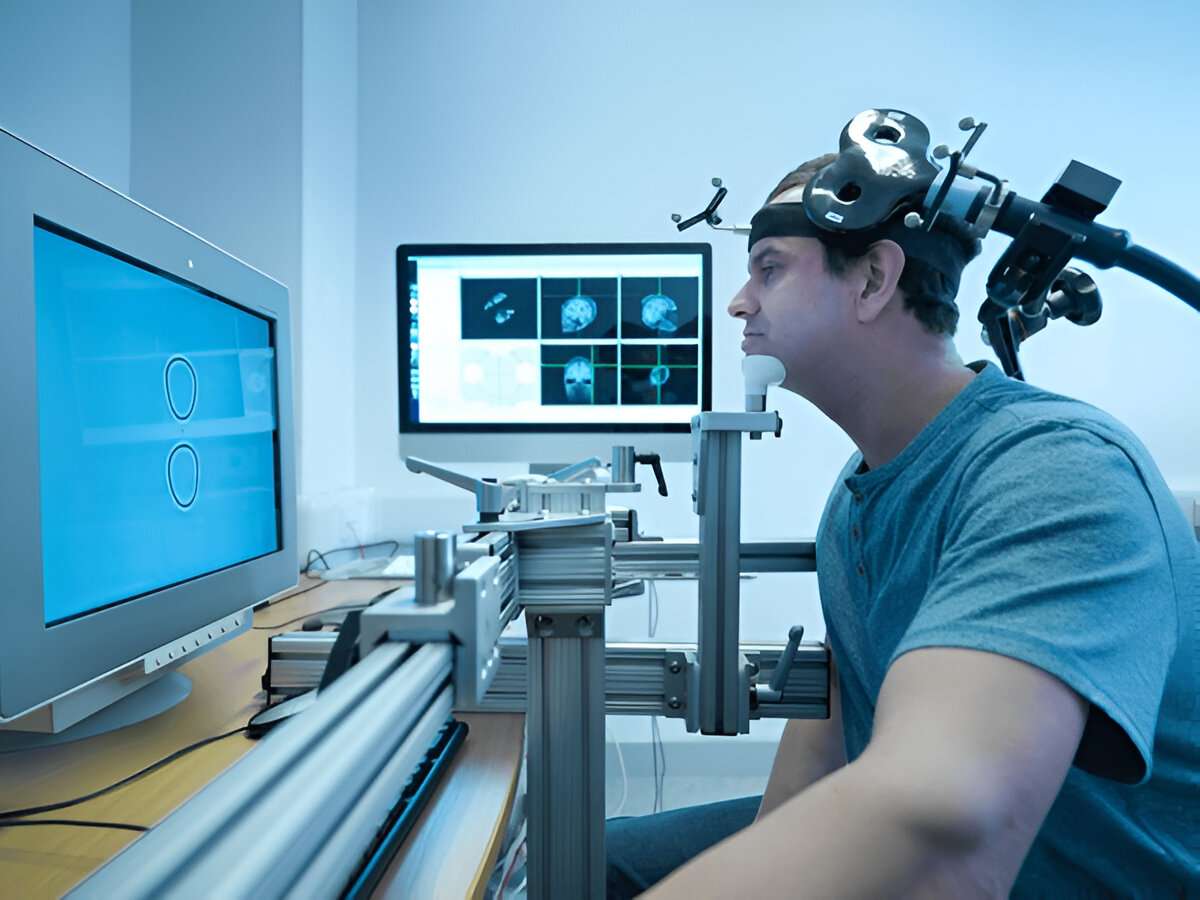
TMS is a non-invasive treatment that uses magnetic pulses to stimulate specific areas of the brain associated with mood regulation. The process involves placing a coil on the scalp to deliver these magnetic pulses, which help regulate brain activity in regions that control mood. This is how TMS works to alleviate symptoms of depression.
It is typically used when traditional treatments, such as antidepressant medications or talk therapy, have not been effective. TMS sessions are conducted in a clinical setting. Unlike electroconvulsive therapy (ECT), TMS does not require anesthesia and has minimal side effects, making it a preferred option for many patients. TMS is FDA-approved and has shown positive outcomes for individuals dealing with major depressive disorder.
When Does TMS Start Working?
The timeline for experiencing the effects of TMS can vary from person to person. Most patients start noticing improvements within 2 to 4 weeks of beginning treatment. The treatment typically involves multiple sessions, usually five times a week for four to six weeks. While some patients report feeling better sooner, others may take longer to experience noticeable changes.
It is important to note that TMS is not a one-time use treatment—multiple sessions are necessary to achieve optimal results.
How Long Do the Effects of TMS Treatment Last?
On average, the effects of TMS treatment can last anywhere between 6 to 12 months. Many patients experience significant relief from depressive symptoms during this period. However, the duration of the effects can vary depending on several individual factors, including the severity of depression, additional therapies, and lifestyle choices.
For some individuals, the benefits of TMS may last longer than a year, while others may need follow-up sessions or maintenance TMS to sustain the positive effects. It is important to understand that the longevity of TMS results depends on the patient’s unique circumstances and ongoing mental health management.
Factors Affecting the Duration of TMS Benefits
- Severity of Depression: Patients with more severe depression may require additional sessions or maintenance treatment to maintain the benefits.
- Lifestyle Factors: Maintaining a healthy lifestyle, including regular exercise, a balanced diet, and good sleep hygiene, can contribute to longer-lasting effects.
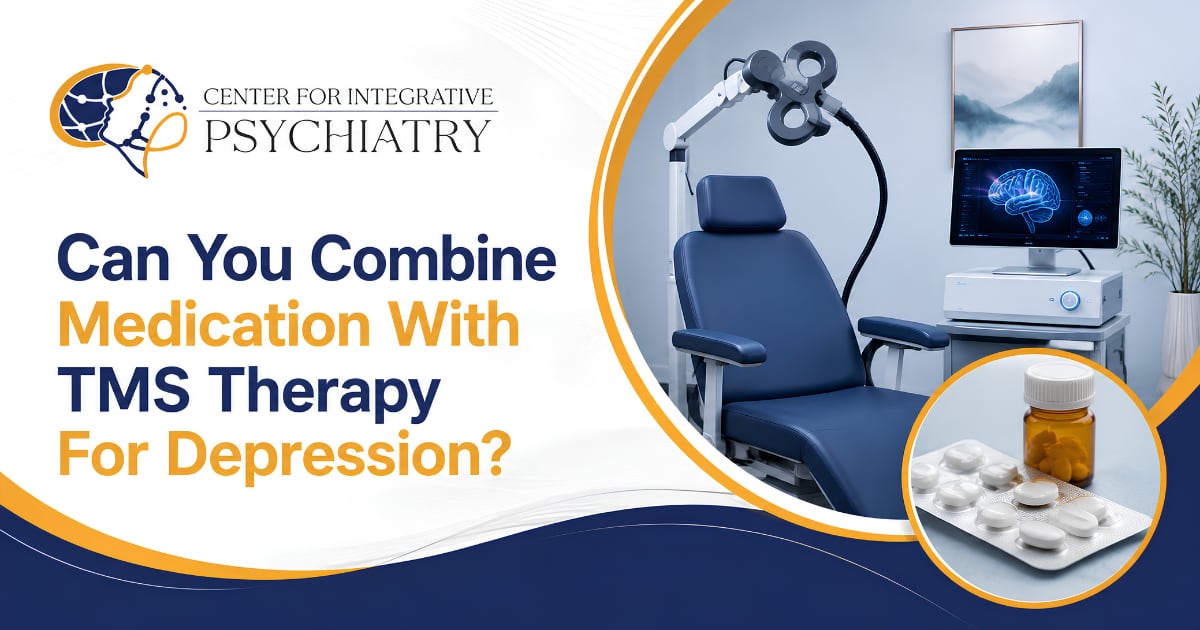
- Additional Therapies: Combining TMS with other forms of treatment, such as cognitive-behavioral therapy (CBT) or medication, can help enhance and extend the benefits.
Boosting and Maintaining the Effects of TMS
- Follow-Up Sessions: Some patients benefit from periodic maintenance sessions if depressive symptoms start to recur. These follow-up sessions can help sustain the benefits of the initial treatment course.
- Healthy Lifestyle Choices: Engaging in regular physical activity, practicing mindfulness or meditation, and eating a balanced diet can all contribute to improved mental health and help maintain the positive effects of TMS.
- Therapy and Counseling: Continuing with therapy, such as CBT, can provide additional tools to manage depression and prevent relapse, thereby extending the positive impact of TMS.
What If TMS Doesn’t Work?
In some cases, TMS may not work as expected for a patient. If TMS is not working after several weeks, it is crucial to discuss alternative options with your healthcare provider. They may recommend additional rounds of TMS, known as retreatment, or consider other treatment modalities.
What if TMS doesn’t work? This question is best answered through collaboration with your healthcare team to tailor the best approach for your specific needs.
What Happens If Symptoms Return?
If depressive symptoms return after the initial effects of TMS wear off, there are options available. Many patients respond well to a TMS retreatment course. Retreatment involves undergoing another round of TMS sessions, similar to the initial treatment. In most cases, patients find that their symptoms improve again after retreatment.
TMS is considered safe for repeat treatments, and the decision to pursue retreatment will depend on the patient’s response and the recommendation of their healthcare provider. How many sessions for TMS to work can vary, but typically involves an initial set of 20-30 sessions, followed by additional maintenance sessions if needed.
Comparing TMS to Other Depression Treatments
TMS is often compared to other depression treatments like antidepressant medications and electroconvulsive therapy (ECT). While medications are often the first line of treatment, not everyone responds to them, and they can come with side effects. ECT is effective for severe depression but requires anesthesia and has more side effects compared to TMS.
Does TMS actually work? Yes, TMS has been proven effective for many patients who have not responded to other treatments. It offers a balance of effectiveness and minimal side effects, making it an appealing option for many patients.
Moreover, the effects of TMS can be longer-lasting compared to medications, especially when combined with other forms of therapy and lifestyle changes.
Does TMS Work for Depression and Anxiety?
TMS is primarily used for treating depression, but it has also shown promise in helping individuals with anxiety disorders. Does TMS work for depression and anxiety? Research suggests that TMS can be effective in alleviating symptoms of both conditions, although more studies are needed to determine the full extent of its benefits for anxiety specifically.
Does TMS Work Long Term?
Does TMS work long term? For many patients, TMS provides long-term relief from depressive symptoms, especially when combined with other treatments and healthy lifestyle choices. While the effects can last anywhere from 6 to 12 months, some patients experience benefits that extend beyond a year, particularly with maintenance sessions and ongoing support.
Is TMS the Right Choice for You?
TMS may be a suitable option if you have not responded well to traditional antidepressant medications or if you are seeking a non-invasive treatment with lasting benefits. It is important to consult with a healthcare provider to determine if TMS is right for you, considering your unique medical history and mental health needs.
Conclusion
The effects of TMS treatment can last for several months, providing lasting relief from depressive symptoms for many individuals. While the duration of the effects can vary, combining TMS with healthy lifestyle choices and ongoing therapy can help maximize and sustain its benefits. If symptoms return, retreatment is a viable and effective option.
Consulting with your healthcare provider is essential to determine whether TMS is the right treatment path for your depression. With TMS, many patients find renewed hope and a path to lasting improvement in their mental health.
Medical Disclaimer
The information on this blog is for educational purposes only and is not a substitute for professional medical advice, diagnosis, or treatment. Always consult a healthcare provider for concerns about your health. In case of a medical emergency, call 911 immediately.
FAQs
- Does TMS help permanently?
While TMS can provide long-term relief, it may not be permanent. Maintenance sessions can help sustain the benefits over time.
- What are the signs that TMS is working?
Signs that TMS is working include improved mood, increased energy, better sleep, and a reduction in depressive symptoms.
- How often do you need to get TMS?
Typically, TMS is administered five times a week for four to six weeks, with maintenance sessions as needed to sustain benefits.
- Does depression come back after TMS?
In some cases, depression symptoms may return after TMS. Retreatment or maintenance sessions can help manage recurring symptoms.
This article is for education and general information. It isn't a substitute for individual medical advice, diagnosis, or treatment from a qualified clinician.
Webmaster
Articles on this blog are educational resources from the Center for Integrative Psychiatry, a multidisciplinary clinic offering evidence-based psychiatry, therapy, TMS, and integrative care for Texans since 2015. They are not medical advice — always talk with your own clinician about your care.
Meet the CIP team