
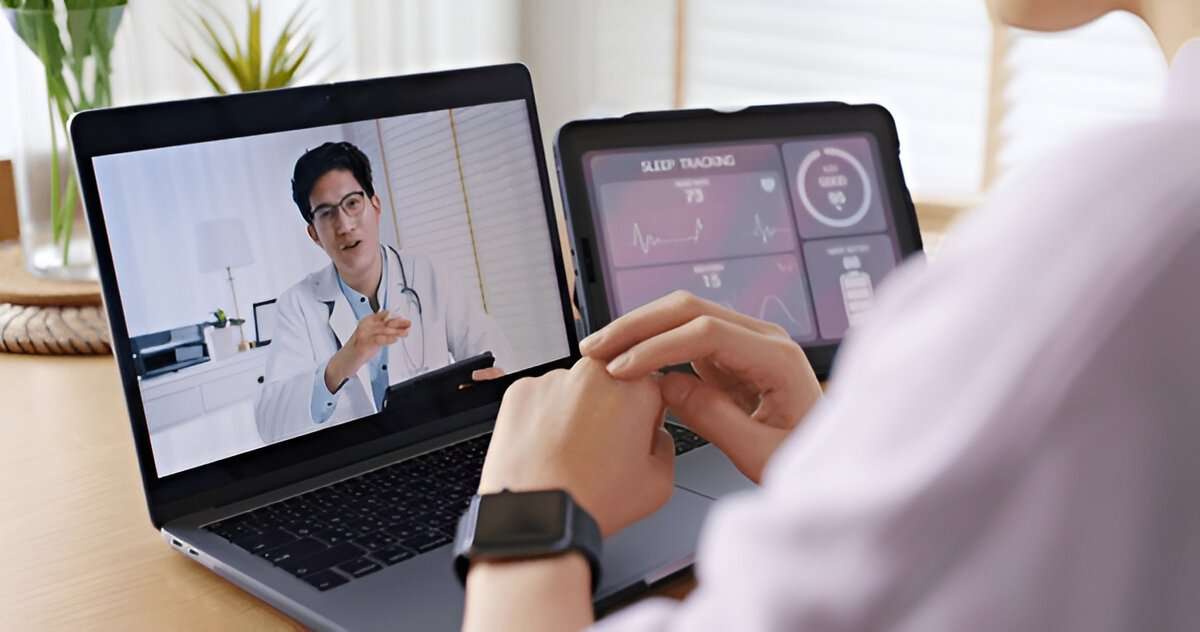
Healthcare is evolving rapidly, offering patients the flexibility to choose between in-person medical visits and telehealth consultations. While traditional face-to-face healthcare has long been the standard, telemedicine services have revolutionized how people access care. But which one is better? The truth is, it depends on individual health needs, accessibility, and personal preferences.
In this blog, we’ll explore the telehealth advantages and disadvantages, comparing them with in-person care to help you decide which option works best for your situation.
Advantages of In-Person Treatments
1. Hands-On Physical Examinations for Accurate Diagnoses
One of the biggest advantages of in-person healthcare visits is the ability for doctors to perform comprehensive physical examinations. This is crucial for diagnosing conditions that require immediate attention, lab tests, imaging scans, or specialized medical procedures.
2. Stronger Patient-Doctor Relationship
Face-to-face interactions build trust and encourage better communication between patients and healthcare providers. This is especially important for mental health therapy, chronic disease management, and post-surgical care.
3. Access to Advanced Medical Equipment and Procedures
Hospitals and clinics provide immediate access to diagnostic tools, such as X-rays, MRIs, blood tests, and emergency care services, which are not available in virtual consultations.
4. Effective for Complex or Emergency Medical Conditions
Certain conditions, such as heart attacks, fractures, infections, and severe pain, require immediate medical intervention, which is only possible with in-person treatments.
Disadvantages of In-Person Treatments
1. Longer Wait Times and Travel Hassles
Scheduling an in-person appointment can take time, especially for specialists. Additionally, commuting to a healthcare facility can be inconvenient, particularly for individuals living in remote areas or those with mobility issues.
2. Higher Costs for Medical Care
In-person healthcare visits can be costly due to consultation fees, hospital charges, and transportation expenses. This can be a burden for uninsured patients or those managing chronic conditions requiring frequent visits.
3. Increased Risk of Exposure to Illnesses
Visiting a healthcare facility increases the risk of exposure to viruses, bacteria, and other infections, which is a concern for elderly patients, immunocompromised individuals, and those with pre-existing conditions.
Telehealth Advantages and Disadvantages
Pros of Telehealth
1. Convenient and Accessible Healthcare Anytime, Anywhere
Telemedicine services allow patients to connect with healthcare providers from the comfort of their homes. This is ideal for people living in rural areas, individuals with disabilities, and those with tight schedules.
2. Reduced Healthcare Costs
Telehealth consultations often come with lower costs compared to in-person visits. It eliminates transportation expenses, childcare needs, and time off work, making healthcare more affordable.
3. Faster Appointment Scheduling
Telehealth platforms typically offer quicker appointment availability, allowing for faster consultations, follow-ups, and prescription refills.
4. Lower Risk of Infection
By choosing virtual healthcare, patients avoid crowded waiting rooms and reduce their risk of exposure to contagious diseases—a major benefit during flu season or pandemics.
5. Ideal for Mental Health and Routine Care
Online therapy sessions, virtual psychiatry consultations, and chronic disease management work well through telehealth, as they do not always require physical exams.
Cons of Telemedicine
1. Limited Physical Examination Capabilities
Telehealth consultations cannot replace in-person diagnostic tests, imaging scans, or hands-on examinations, which are essential for certain conditions.
2. Requires Reliable Technology and Internet Access
Not all patients have high-speed internet, a smartphone, or a computer, making telemedicine services inaccessible to some individuals, especially the elderly or those in underserved areas.
3. Privacy and Security Concerns
Despite advancements in telehealth security, there is still a risk of data breaches, hacking, and unauthorized access to sensitive medical information.
4. Not Suitable for Emergency or Critical Cases
Severe injuries, strokes, allergic reactions, and other medical emergencies require immediate, hands-on medical attention, which virtual healthcare cannot provide.
5. Insurance Coverage Variability
Some insurance providers do not fully cover telehealth services, leading to potential out-of-pocket expenses for patients.
Telehealth Pros and Cons: Which Healthcare Option is Right for You?
Deciding between telehealth and in-person healthcare depends on various factors:
- Telehealth is ideal for: Minor illnesses, routine check-ups, mental health therapy, prescription refills, and follow-up consultations.
- In-person visits are best for: Physical exams, diagnostic tests, serious injuries, chronic disease management, and emergency situations.
- Hybrid care models combining telemedicine and in-person visits are becoming popular for a balanced healthcare experience.
Here are some additional sections that could enhance your blog and provide a more well-rounded perspective:
The Role of Hybrid Healthcare Models
While many people debate between telehealth and in-person visits, an emerging trend is the hybrid model, which combines both for a more balanced healthcare experience.
- Patients can have initial assessments and follow-ups via telehealth, reducing the need for frequent travel.
- Critical or complex cases can be managed through in-person visits when necessary while still leveraging virtual care for routine check-ins.
- Hybrid care is particularly beneficial for chronic disease management, mental health therapy, and post-surgical recovery.
How Telehealth is Changing Healthcare Accessibility
Telehealth has revolutionized patient access to healthcare, especially for:
- Rural communities that lack access to specialists and advanced medical facilities.
- Patients with mobility limitations who struggle with transportation.
- Busy professionals and caregivers who find it difficult to take time off for appointments.
- Underserved populations who face barriers to traditional healthcare services.
The Impact of Telehealth on Mental Health Treatment
Mental health services have seen a major shift toward telepsychiatry and virtual counseling.
- Telehealth offers greater accessibility to therapy and psychiatric consultations, reducing the stigma of seeking help.
- Patients can attend sessions from the comfort of home, making mental health care more approachable.
- Virtual care eliminates geographical barriers for those who need specialized mental health professionals.
The Future of Telehealth: Emerging Trends
As technology advances, telehealth is expected to continue evolving with innovations such as:
- AI-driven diagnostics and chatbots to assist with preliminary consultations.
- Wearable health monitoring devices that allow remote tracking of vital signs.
- Virtual reality (VR) therapy sessions for mental health and rehabilitation.
- Telepharmacy services for remote prescriptions and medication management.
Patient Preferences: How to Choose the Right Care Option
Every patient has unique needs, and choosing between telehealth and in-person visits depends on:
- The urgency and severity of the medical condition.
- Personal comfort levels with virtual consultations.
- Access to technology and a stable internet connection.
- Insurance coverage for telehealth services.
Conclusion
Both telehealth and in-person healthcare come with distinct advantages and disadvantages. The right choice depends on your health condition, accessibility, cost considerations, and personal preference. At Center for Integrative Psychiatry™, we recognize the importance of offering flexible care options that cater to diverse patient needs. As healthcare technology continues to evolve, combining telehealth with in-person visits can offer the best of both worlds—convenience, efficiency, and high-quality medical care tailored to individual mental health and wellness goals.
If you’re unsure which option suits your needs, consult a healthcare provider to explore the best approach for your specific medical concerns.
Medical Disclaimer
This article is for informational purposes only and should not be considered medical advice. If you experience persistent or severe vertigo, consult a healthcare professional for an accurate diagnosis and appropriate treatment.
Frequently Asked Questions (FAQs)
1. What are the main advantages of telehealth?
Telehealth offers convenience, cost savings, faster appointment scheduling, and reduced risk of infection by allowing patients to consult doctors remotely. It is especially beneficial for mental health therapy, routine check-ups, and follow-up care.
2. What are the disadvantages of telemedicine?
Some key disadvantages of telemedicine include limited physical examinations, reliance on internet access, privacy concerns, and lack of suitability for emergency cases. Additionally, insurance coverage for telehealth may vary.
3. When should I choose in-person healthcare over telehealth?
In-person visits are best for complex medical conditions, emergency situations, physical exams, diagnostic tests, and hands-on procedures that require immediate attention from a healthcare professional.
4. Can telehealth fully replace in-person doctor visits?
No, telehealth cannot replace in-person care entirely. While it works well for virtual consultations, mental health treatment, and routine follow-ups, some conditions still require hands-on medical evaluation and diagnostic procedures.
5. How does Center for Integrative Psychiatry™ use telehealth?
At Center for Integrative Psychiatry™, we integrate telehealth for mental health counseling, psychiatric consultations, and medication management, while still offering in-person visits for comprehensive evaluations when needed.
This article is for education and general information. It isn't a substitute for individual medical advice, diagnosis, or treatment from a qualified clinician.
Webmaster
Articles on this blog are educational resources from the Center for Integrative Psychiatry, a multidisciplinary clinic offering evidence-based psychiatry, therapy, TMS, and integrative care for Texans since 2015. They are not medical advice — always talk with your own clinician about your care.
Meet the CIP team