The landscape of mental health care is shifting as more individuals seek a more comprehensive understanding of their well-being. When searching for a psychiatry clinic near me, many patients are surprised to find that there are different philosophies regarding how to treat the human mind. Choosing the right approach is crucial for achieving long-term recovery and emotional stability. Have you ever felt that your current treatment focuses only on your symptoms while ignoring your lifestyle, diet, and physical health?
At Texas CIP, we bridge the gap between biological science and holistic wellness by offering a sophisticated model of care. Our services range from traditional medication management and Telehealth to innovative options like TMS and functional psychiatry. We address a wide variety of conditions including ADHD, PTSD, and bipolar disorder with a personalized touch. By understanding the nuances of integrative psychiatry vs traditional psychiatry, you can choose a path that truly resonates with your personal health goals.
The Foundation Of Traditional Psychiatry And Symptom Management
Traditional psychiatry is primarily rooted in the medical model, which focuses on diagnosing mental health conditions based on clusters of symptoms. Once a diagnosis is made, the primary tool for intervention is usually psychiatric medication. This approach is highly effective for stabilizing acute crises and managing chemical imbalances in the brain. If you have been searching for a psychiatry clinic near me, you likely have encountered this standard of care.
While traditional methods are vital, they often view the mind as separate from the rest of the body. Treatment usually involves adjusting neurotransmitters like serotonin or dopamine through prescriptions. At Texas CIP, we respect this foundation and provide expert medication management for conditions like schizophrenia and psychosis. However, we also recognize that a pill cannot always solve problems rooted in nutritional deficiencies or chronic lifestyle stress.
How Integrative Psychiatry Expands The Scope Of Healing
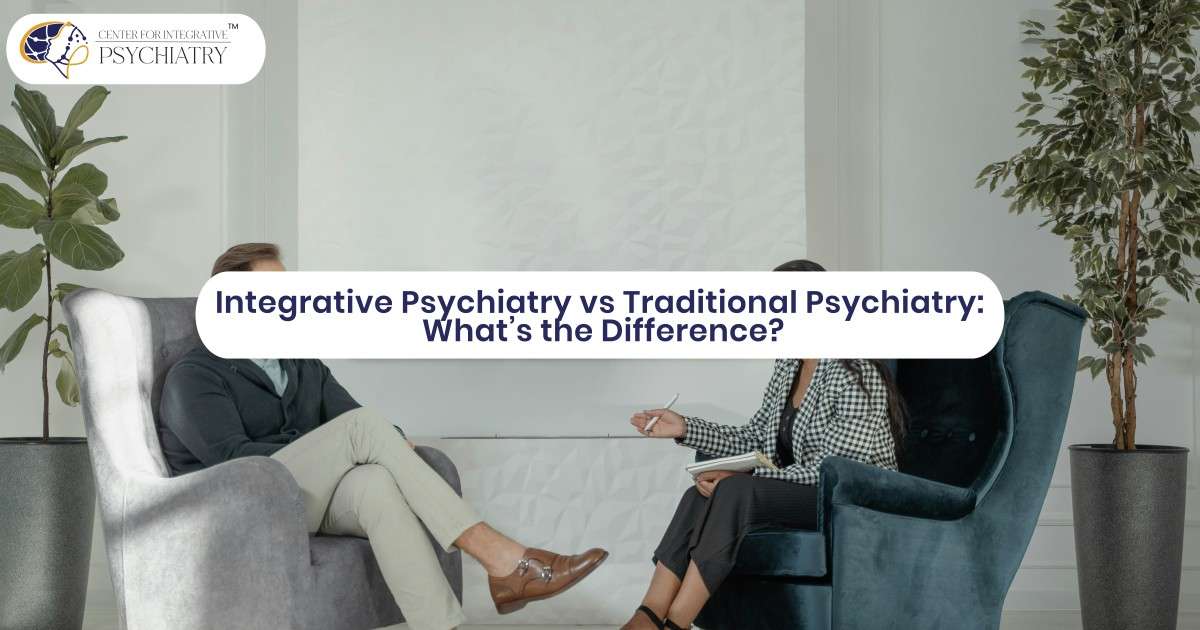
Integrative psychiatry vs traditional psychiatry is best understood as an evolution of care rather than a replacement. Integrative mental health care looks at the whole person, including their gut health, hormonal balance, inflammatory markers, and even social connections. This approach uses traditional tools but adds evidence-based holistic therapies to create a more robust treatment plan. It seeks to answer “why” the symptoms are occurring rather than just “what” the symptoms are.
Our team at Texas CIP utilizes functional psychiatry and naturopathy to dig deeper into these root causes. For example, a patient with depression might receive a prescription, but they will also receive a plan for nutritional psychiatry to support their brain-gut axis. We might also incorporate life coaching to help the individual navigate the external pressures of their environment. This layered strategy ensures that every facet of the patient’s life is working in harmony.
Key Differences In Treatment Modalities And Tools
One major difference between integrative and traditional psychiatry is the variety of tools used in a typical session. In a traditional setting, the conversation often centers on the efficacy and side effects of a specific drug. In an integrative setting, the conversation expands to include sleep hygiene, exercise, and the use of targeted supplements. This broader perspective allows for a more flexible and adaptive recovery journey.
At Texas CIP, we offer advanced technologies like TMS as part of our integrative toolkit. This allows us to provide non-invasive brain stimulation for those who may want to reduce their reliance on systemic medications.
- Use of advanced lab testing to identify underlying biological triggers for mood disorders.
- Integration of mental health therapy with physical wellness strategies.
- Focus on preventative care and long-term resilience rather than just crisis intervention.
- Personalized supplement protocols alongside standard medication management.
- Emphasis on the mind-body connection through practices like mindfulness and breathwork.
The Role Of Psychiatric Medication In Both Approaches
It is a common misconception that integrative practitioners avoid drugs entirely. In reality, psychiatric medication remains a crucial tool in the integrative model. The difference lies in how it is used. In an integrative plan, medication is often seen as a bridge to help stabilize a patient so they can effectively engage in other lifestyle changes and therapies. The goal is often to use the lowest effective dose while supporting the body’s natural healing mechanisms.
Our practitioners at Texas CIP are experts in both pharmacological and natural interventions. Whether you are dealing with anxiety disorders or OCD, we ensure that your medication is working in synergy with your overall health. We monitor your progress through an integrative lens, looking at how your treatment affects your energy, sleep, and metabolic health. This comprehensive oversight reduces the risk of long-term side effects and improves overall outcomes.
Why You Should Seek Integrative Mental Health Care
Choosing an integrative approach means you are taking an active role in your own health. It empowers patients to make informed decisions about their diet, movement, and mental habits. This model is particularly beneficial for those with treatment-resistant conditions who have not found success in a strictly traditional environment. If you are looking for an integrative psychiatry treatment near me, you are likely ready for a deeper level of care.
At Texas CIP, we provide the resources and expertise to help you build a sustainable foundation for mental wellness. Our life coaching and nutritional psychiatry services are designed to give you practical skills that last a lifetime. We believe that by treating the person, not just the disorder, we can unlock a higher quality of life. Our North Dallas clinic serves as a hub for those who want the best of both worlds: modern medical science and time-tested holistic wisdom.
Creating A Personalized Path To Recovery At Texas CIP
No two individuals experience mental health challenges in the same way. That is why we reject the one-size-fits-all approach of traditional models. Our initial evaluations are thorough and consider your history, environment, and biological makeup. By combining the strengths of integrative psychiatry vs traditional psychiatry, we create a roadmap that is as unique as you are.
Whether you are navigating grief and loss or managing a lifelong condition like ADHD, we are here to support you. Our Telehealth services make it easy to stay connected with your care team, ensuring you never have to face your journey alone. We invite you to experience the difference that a truly whole-person approach can make. At Texas CIP, your mental health is our primary mission, and we are dedicated to helping you achieve lasting peace and balance.
Conclusion
Understanding the difference between integrative and traditional psychiatry is the first step toward finding a treatment plan that fits your life. While traditional methods provide essential stabilization, integrative mental health care offers a broader perspective that addresses the root causes of distress. By combining medication with lifestyle interventions and advanced technology, you can achieve a more comprehensive form of healing.
Texas CIP is proud to be a leading provider for those searching for an integrative psychiatry treatment near me. Our expert team is ready to help you navigate the complexities of your mental health with compassion and innovation. From TMS and functional psychiatry to traditional therapy and medication management, we offer everything you need under one roof. Reach out to Texas CIP today to start your journey toward a more holistic and healthy future.
Frequently Asked Questions
What is the main difference between integrative and traditional psychiatry? The main difference is that traditional psychiatry focuses primarily on symptom management through medication, while integrative psychiatry treats the whole person by addressing lifestyle, nutrition, and biological root causes alongside traditional tools.
How can I find an integrative psychiatry treatment near me in North Dallas? Texas CIP offers premier integrative care in the North Dallas area, providing a combination of psychiatric expertise and holistic wellness services like nutritional psychiatry and life coaching.
Is psychiatric medication used in integrative mental health care? Yes, medication is an important tool in integrative care, but it is often used at the lowest effective dose and combined with other natural strategies to support overall brain health.
Why choose a specialized psychiatry clinic near me instead of a general doctor? A specialized clinic like Texas CIP has the diagnostic tools and expertise to handle complex mental health conditions like bipolar disorder or OCD with targeted treatments like TMS that general practitioners may not offer.
Who is a good candidate for integrative psychiatry vs traditional psychiatry? Anyone seeking a more holistic approach is a candidate, but it is especially helpful for those who have not responded well to medication alone or those who wish to address underlying health issues like inflammation or gut health.
When should I expect to see results from an integrative treatment plan? While medication can work quickly for stabilization, the full benefits of an integrative plan—including lifestyle and nutritional changes—typically manifest over several weeks as the body and mind return to balance.
Disclaimer :The information provided in this article is for educational purposes and is not a substitute for professional medical advice, diagnosis, or treatment. Always seek the advice of your physician or other qualified health provider with any questions you may have regarding a medical condition.
This article is for education and general information. It isn't a substitute for individual medical advice, diagnosis, or treatment from a qualified clinician.
Webmaster
Articles on this blog are educational resources from the Center for Integrative Psychiatry, a multidisciplinary clinic offering evidence-based psychiatry, therapy, TMS, and integrative care for Texans since 2015. They are not medical advice — always talk with your own clinician about your care.
Meet the CIP team