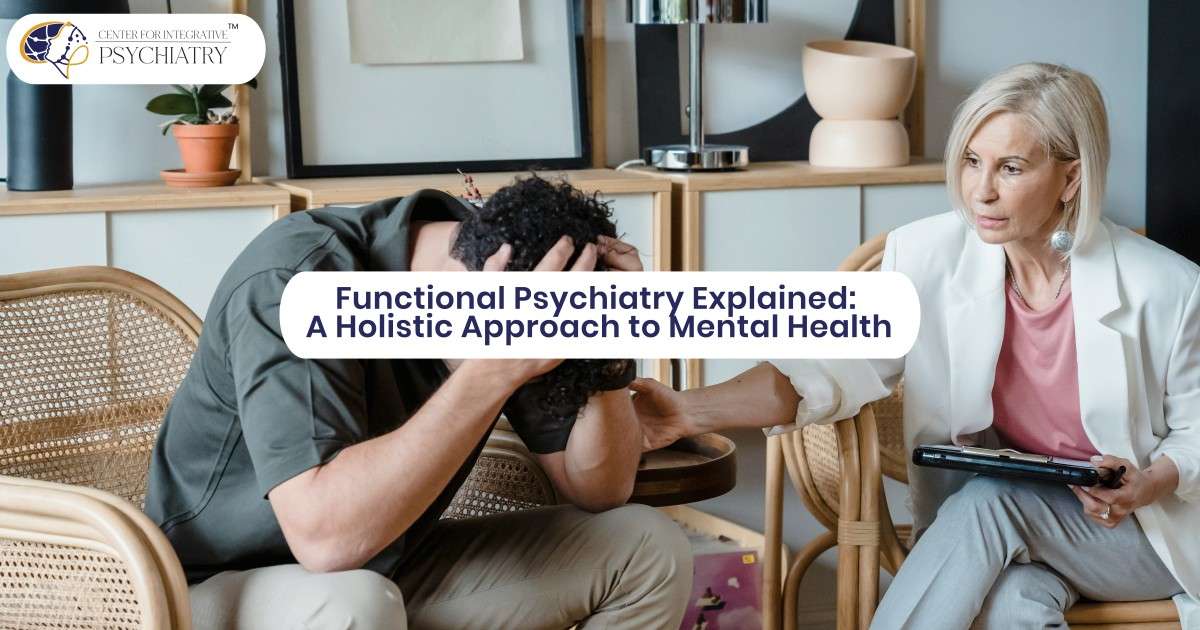

Traditional mental health care often focuses on symptom management, but functional psychiatry takes a different approach. It aims to uncover the root causes of mental health issues by looking at the body as a whole. By integrating principles from functional medicine, this method helps individuals achieve long-lasting improvements in their mental health.
But what is functional psychiatry, and how can it transform your mental health? In this article, we’ll explore the fundamentals of functional psychiatry, how it differs from conventional treatments, and the benefits it offers for conditions like anxiety, depression, and more.
Understanding Functional Psychiatry
Functional psychiatry is an integrative approach to mental health care that combines the best of traditional psychiatry with the holistic principles of functional medicine. Rather than simply treating symptoms, a functional psychiatrist investigates the underlying factors contributing to mental health issues, such as genetics, lifestyle, diet, and environmental factors.
How Functional Medicine Psychiatry Works
In functional medicine psychiatry, the focus is on balancing the brain and body to improve overall mental well-being. This approach looks at the body’s systems as interconnected and seeks to identify how imbalances in one area can affect another. By addressing these root causes, functional psychiatry helps patients achieve more sustainable mental health improvements.
Functional Psychiatry vs Traditional Psychiatry
The key difference between functional psychiatry and traditional psychiatry lies in the depth of evaluation and treatment methods. While conventional psychiatry often focuses on prescribing medication to manage symptoms, functional medicine psychiatry emphasizes a comprehensive, individualized treatment plan that addresses the whole person.
Functional Assessment in Psychiatry
A critical component of this approach is the functional assessment in psychiatry, which goes beyond standard mental health evaluations. It includes:
- Genetic testing: Understanding how genetics may influence neurotransmitter function and stress response.
- Nutritional assessment: Analyzing how diet and nutrient deficiencies may be contributing to mental health issues.
- Lifestyle factors: Evaluating sleep, exercise, and stress levels.
- Environmental factors: Considering how toxins or other external factors may be affecting mental health.
This deep evaluation allows for a personalized plan that targets specific imbalances, leading to more effective treatment.
Functional Medicine for Anxiety: A Holistic Approach
Anxiety disorders are among the most common mental health conditions today, affecting millions of people worldwide. Conventional treatments, such as medication and therapy, can be helpful, but they don’t always address the root causes of anxiety. Functional medicine for anxiety offers a more comprehensive approach, combining mental, physical, and emotional factors to uncover the triggers behind anxiety symptoms.
Key Elements of Functional Medicine and Anxiety Treatment
- Gut-Brain Connection: Research has shown that gut health plays a crucial role in mental health. Imbalances in gut bacteria can contribute to anxiety, and functional psychiatry addresses this through dietary changes and supplements.
- Nutrient Deficiencies: Deficiencies in key nutrients like magnesium, zinc, and B vitamins can exacerbate anxiety symptoms. A functional psychiatrist may recommend dietary changes or supplements to correct these deficiencies.
- Stress Management: In functional medicine, stress is considered a major contributing factor to anxiety. Techniques such as mindfulness, yoga, and meditation are often incorporated into treatment plans to help manage stress naturally.
Addressing Functional Impairment in Psychiatry
Functional impairment in psychiatry refers to the disruption in an individual’s ability to function in daily life due to mental health conditions. Functional psychiatry goes beyond just alleviating symptoms; it seeks to restore full functionality by addressing the core issues contributing to mental health struggles.
By identifying and treating these underlying imbalances, functional psychiatry can help patients regain their capacity to thrive in both personal and professional settings.
Personalized Treatment Plans with a Functional Medicine Psychiatrist
A functional medicine psychiatrist doesn’t just prescribe medications; they create a personalized, multifaceted treatment plan that may include lifestyle changes, dietary modifications, and natural supplements in addition to, or instead of, medications.
Benefits of Seeing a Functional Psychiatrist
- Holistic approach: This integrative care model considers all aspects of a person’s health, from mental to physical well-being.
- Personalized care: Treatment is tailored to the individual’s specific needs, which leads to better outcomes.
- Long-term wellness: Instead of just masking symptoms, functional psychiatry promotes long-term healing and prevention of future mental health issues.
How Functional Psychiatry Can Help Transform Your Mental Health
Functional psychiatry isn’t just about treating existing mental health issues—it’s about transforming your overall well-being. Whether you’re dealing with anxiety, depression, or another mental health condition, functional psychiatry offers a more holistic, personalized path to healing.
- Improved mental clarity: By addressing underlying causes, many patients report improved mental clarity and focus.
- Reduced symptoms: For those with chronic mental health conditions, functional psychiatry can lead to a significant reduction in symptoms without relying solely on medication.
- Enhanced quality of life: Through lifestyle changes and a focus on long-term health, patients can experience a greater sense of well-being and a higher quality of life.
Conclusion: Is Functional Psychiatry Right for You?
If you’ve been struggling with mental health issues and haven’t found relief through traditional treatments, functional psychiatry could offer a fresh perspective. By addressing the root causes of mental health challenges and treating the whole person, functional psychiatry aims to provide long-lasting improvements in both mental and physical well-being.
Contact Us
If you’re interested in exploring how functional psychiatry can benefit you, contact us today at 1-877-283-5336 the Center for Integrative Psychiatry™. Our experienced team is dedicated to providing personalized care to help you achieve lasting mental wellness.
Medical Disclaimer
The information provided in this article is for educational purposes only and is not intended as medical advice. Always consult with our licensed psychiatrists and professionals for mental health advice before making any changes to your treatment plan.
FAQs
1. What is functional psychiatry?
Functional psychiatry is an integrative approach that looks at the root causes of mental health conditions by examining the body and mind as a whole.
2. How does functional medicine psychiatry work?
This approach combines functional medicine principles with psychiatry, using genetic, nutritional, and lifestyle assessments to create personalized treatment plans.
3. Can functional psychiatry help with anxiety?
Yes, functional medicine for anxiety addresses the underlying factors that contribute to anxiety, such as gut health, nutrient deficiencies, and stress.
4. What is a functional psychiatrist?
A functional psychiatrist is a professional who integrates traditional psychiatry with holistic functional medicine to create individualized treatment plans.
5. How does functional psychiatry treat functional impairment?
By addressing the underlying causes of mental health issues, functional psychiatry aims to restore full functionality and improve overall quality of life.
This article is for education and general information. It isn't a substitute for individual medical advice, diagnosis, or treatment from a qualified clinician.
Webmaster
Articles on this blog are educational resources from the Center for Integrative Psychiatry, a multidisciplinary clinic offering evidence-based psychiatry, therapy, TMS, and integrative care for Texans since 2015. They are not medical advice — always talk with your own clinician about your care.
Meet the CIP team