
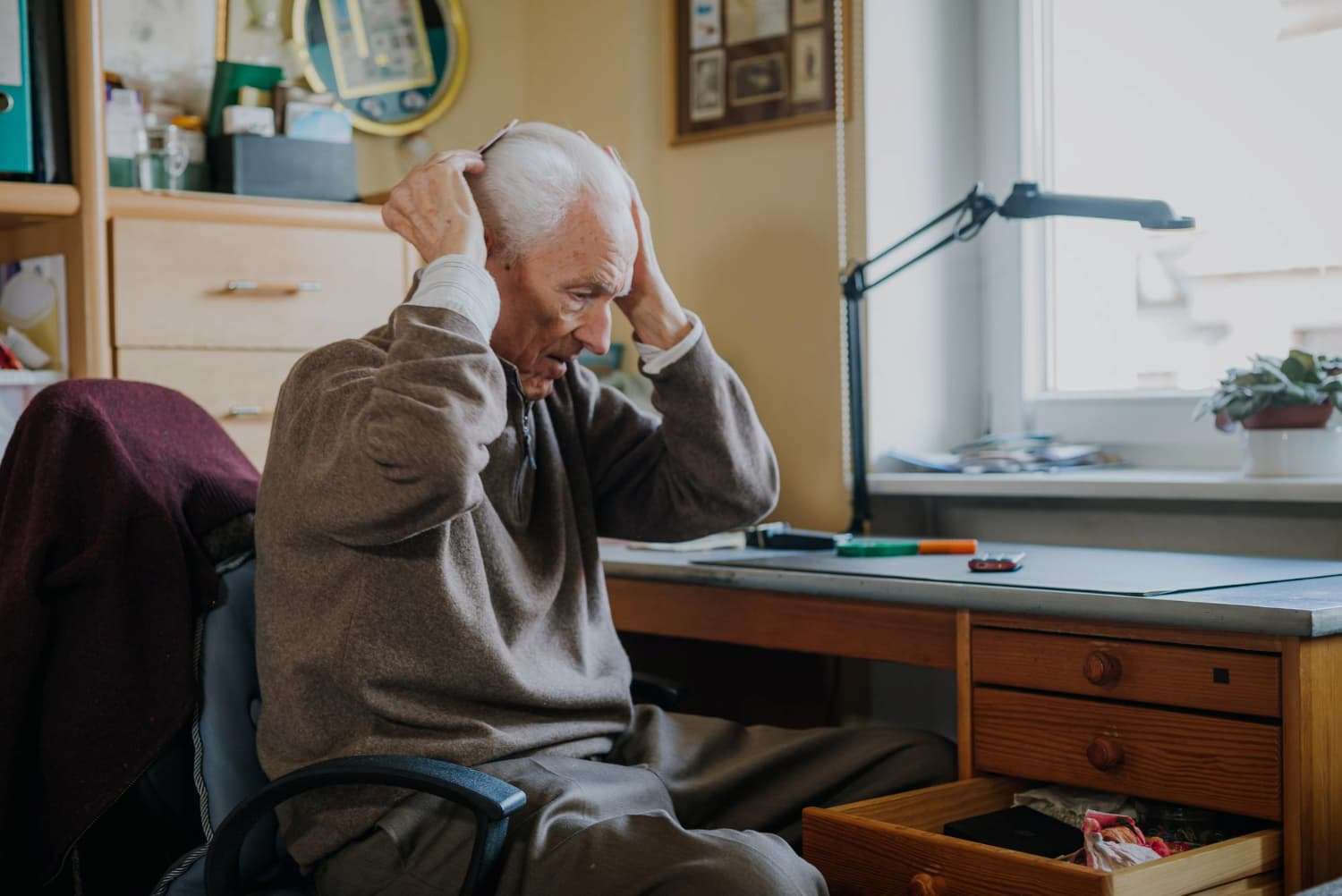
Obsessive Compulsive Disorder (OCD) is often associated with younger individuals, but it can significantly impact seniors as well. Obsessive-compulsive disorder in the elderly presents unique challenges, often requiring specialized treatment approaches that consider the physical and cognitive changes that come with aging.
In this article, we will explore effective treatments for OCD in seniors, discuss whether OCD can get better with age, and examine the options available for managing elderly obsessive behavior.
Understanding OCD in the Elderly
OCD is a mental health condition characterized by persistent, unwanted thoughts (obsessions) and repetitive behaviors (compulsions). While OCD can develop at any age, it is not uncommon for symptoms to either first appear or worsen in old age. This can be due to various factors, including the onset of other health issues, increased stress, or significant life changes such as retirement or the loss of a loved one.
OCD in Seniors: Recognizing the Signs
OCD in seniors can manifest differently than in younger individuals. Elderly obsessive behavior might include excessive cleaning, hoarding, or constant checking due to fears of contamination or safety concerns. Recognizing these signs early is crucial for effective treatment.
- Obsessions: Persistent thoughts about contamination, safety, or the need for symmetry.
- Compulsions: Repetitive behaviors such as handwashing, checking locks, or arranging items in a specific order.
- Cognitive Decline: In some cases, cognitive decline may exacerbate OCD symptoms, making treatment more complex.
Can OCD Get Better with Age?
Can OCD get better with age? The answer varies. For some seniors, OCD symptoms may diminish over time, particularly if the condition is mild. However, for many, OCD can persist or even worsen, especially without appropriate treatment. The cognitive and emotional changes associated with aging can also complicate OCD, making it more challenging to manage.
Effective Treatments for Obsessive Compulsive Disorder in the Elderly
Treating obsessive-compulsive disorder in the elderly requires a nuanced approach that addresses both the mental health condition and the unique needs of older adults. Here are some of the most effective treatment options:
1. Cognitive-Behavioral Therapy (CBT)
Cognitive-behavioral therapy (CBT) is one of the most effective treatments for OCD, including OCD in the elderly. This therapeutic approach focuses on identifying and changing the thought patterns that drive obsessive behaviors. Exposure and Response Prevention (ERP), a specific type of CBT, is particularly effective for treating OCD.
- Adaptations for Seniors: CBT can be tailored to meet the needs of elderly patients, taking into account potential cognitive impairments or physical limitations. Therapy sessions may be adjusted in pace and complexity to suit the individual’s capabilities.
2. Medication for OCD in the Elderly
Medication is often an important component of OCD elderly treatment. Selective Serotonin Reuptake Inhibitors (SSRIs) are commonly prescribed to help manage OCD symptoms. However, prescribing medication for OCD in elderly patients requires careful consideration due to potential side effects and interactions with other medications.
- SSRIs: Common SSRIs like sertraline, fluoxetine, and escitalopram are often used but may need to be prescribed at lower doses for seniors.
- Monitoring and Adjustments: Regular monitoring by a healthcare provider is essential to ensure the medication is effective and to adjust dosages as necessary to minimize side effects.
3. Supportive Therapy and Counseling
In addition to CBT, supportive therapy can be beneficial for elderly individuals dealing with OCD. This form of therapy focuses on providing emotional support, helping patients manage the stress and anxiety that often accompany OCD.
- Family Involvement: Involving family members in therapy sessions can also be helpful, as they can provide additional support and assist with managing daily challenges related to OCD.
4. Lifestyle Modifications
Lifestyle changes can play a critical role in managing OCD in old age. These modifications can include:
- Routine and Structure: Establishing a consistent daily routine can help reduce anxiety and obsessive behaviors.
- Physical Activity: Regular exercise can improve mental health and reduce stress, which may alleviate some OCD symptoms.
- Mindfulness Practices: Techniques such as mindfulness meditation can help seniors manage anxiety and reduce the intensity of obsessive thoughts.
5. Addressing Co-Occurring Conditions
Seniors with OCD may also suffer from other conditions, such as depression, anxiety, or cognitive decline. It is important to address these co-occurring conditions as part of the overall treatment plan.
- Integrated Care: Coordinating care with other healthcare providers ensures that all aspects of the senior’s health are addressed, which can improve overall outcomes.
Challenges in Treating OCD in Seniors
Treating OCD in seniors can be more complex than treating it in younger populations. Age-related factors, such as physical health problems, cognitive decline, and social isolation, can all impact the effectiveness of treatment. Additionally, older adults may be more resistant to seeking help or adhering to treatment plans.
Overcoming Treatment Resistance
Resistance to treatment is a common challenge when managing obsessive-compulsive disorder in the elderly. It is important to approach this issue with empathy and patience, offering reassurance and involving family members when possible. Education about the benefits of treatment can also help to reduce resistance.
Conclusion
Obsessive compulsive disorder in the elderly is a significant but manageable condition with the right treatment approach. From cognitive-behavioral therapy and medication to supportive counseling and lifestyle modifications, there are multiple avenues to help seniors manage OCD and improve their quality of life. Early intervention and a tailored treatment plan are key to achieving the best outcomes.
Frequently Asked Questions (FAQ)
Q1: Can OCD get better with age?
While some individuals may experience a reduction in symptoms, OCD often requires ongoing treatment, especially in the elderly. The condition can persist or worsen without proper management.
Q2: What is the best treatment for OCD in the elderly?
Cognitive-behavioral therapy (CBT), particularly Exposure and Response Prevention (ERP), combined with medication and supportive therapy, is often the most effective approach.
Q3: Are medications safe for elderly patients with OCD?
Medications like SSRIs are commonly used but must be prescribed and monitored carefully to minimize side effects and interactions with other medications.
Q4: How does OCD manifest in seniors?
OCD in seniors may involve excessive cleaning, hoarding, or repetitive checking behaviors. These behaviors can be exacerbated by cognitive decline or stress.
Q5: What lifestyle changes can help manage OCD in seniors?
Establishing a consistent routine, engaging in regular physical activity, and practicing mindfulness can all help manage OCD symptoms in elderly individuals.
Contact Us
If you or a loved one is struggling with OCD in old age, it’s important to seek help. please contact the Center for Integrative Psychiatry™ today at 1-877-283-5336 to learn more about treatment options and how we can assist in managing OCD in the elderly.
Medical Disclaimer
The information provided in this article is for educational purposes only and is not intended as medical advice. Please consult with a qualified healthcare provider or reach out to the Center for Integrative Psychiatry™ before starting any new treatment or therapy.
This article is for education and general information. It isn't a substitute for individual medical advice, diagnosis, or treatment from a qualified clinician.
Webmaster
Articles on this blog are educational resources from the Center for Integrative Psychiatry, a multidisciplinary clinic offering evidence-based psychiatry, therapy, TMS, and integrative care for Texans since 2015. They are not medical advice — always talk with your own clinician about your care.
Meet the CIP team