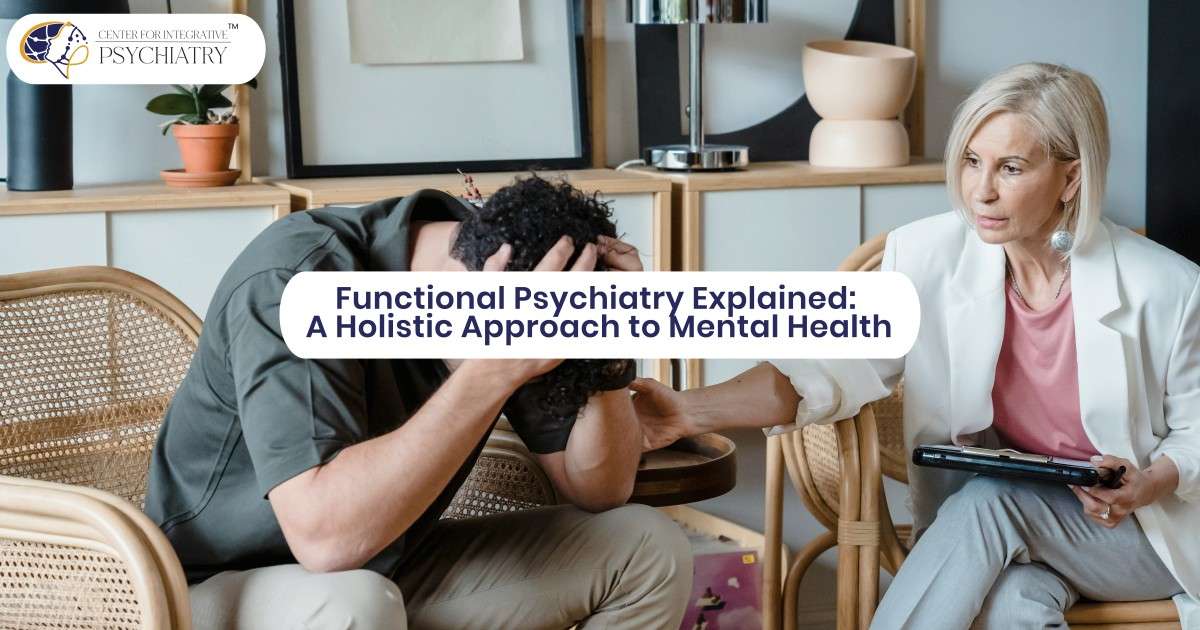
In a world where mental health care is evolving rapidly, integrative psychiatry has emerged as a thoughtful and comprehensive approach that looks beyond symptoms and medications. But what exactly is integrative psychiatry, and how is it different from the traditional model? Let’s break it down.
Understanding Integrative Psychiatry
Integrative psychiatry is a patient-centered, holistic approach that combines conventional psychiatric treatments with complementary and alternative therapies. It goes beyond just treating mental illness, it aims to promote overall mental wellness by addressing the root causes of distress through a blend of evidence-based treatments, lifestyle changes, and supportive therapies.
Unlike traditional psychiatry, which often focuses primarily on medication and symptom management, integrative psychiatry incorporates a broader view of mental health. It explores the connections between the mind and body, considers environmental and nutritional factors, and often includes practices like mindfulness, yoga, and functional medicine.
The Core of the Integrative Psychiatry Approach
At its heart, the integrative psychiatry approach aims to treat the whole person, mind, body, and spirit. This often includes:
- Psychotherapy and medication management, when appropriate
- Nutritional counseling and supplementation
- Mind-body techniques such as meditation, breathing exercises, and yoga
- Functional medicine testing for hormones, inflammation, and gut health
- Lifestyle modifications, including sleep hygiene, exercise, and stress reduction
This model is particularly helpful for individuals who want to explore alternative mental health treatments or who haven’t found success with traditional methods alone.
Integrative Psychiatry vs. Traditional Psychiatry
The key distinction lies in scope. Traditional psychiatry often prioritizes medication and diagnosis, while integrative psychiatry seeks a deeper understanding of each patient’s life, biology, and environment. It’s a partnership between the patient and provider, focused on long-term healing, not just short-term symptom relief.
Conditions Treated with Integrative Psychiatry
Integrative psychiatry is used to treat a wide range of mental health conditions, including:
- Anxiety and stress-related disorders
- Depression
- ADHD and mood disorders
- Trauma and PTSD
- Chronic fatigue and insomnia
- Gut-brain disorders and inflammation-related conditions
By tailoring treatments that blend modern science with holistic care, integrative psychiatry can provide deeper and more sustainable relief.
The Role of Nutrition and Gut Health
Nutrition plays a powerful role in mental health. An imbalanced diet, food sensitivities, or poor gut health can all contribute to mood imbalances. That’s why integrative psychiatry and nutrition often go hand in hand. Functional testing may reveal nutrient deficiencies or gut dysbiosis that are impacting mental well-being.
The emerging field of integrative psychiatry and gut health highlights how closely the digestive system and brain are connected. By addressing gut issues, like inflammation or microbiome imbalances, patients often see improvements in their mental clarity and emotional stability.
FAQs
What is integrative psychiatry?
Integrative psychiatry is a holistic, patient-focused approach that combines conventional psychiatric methods with alternative therapies like nutrition, mindfulness, and functional medicine.
How does integrative psychiatry differ from traditional psychiatry?
While traditional psychiatry often emphasizes medication, integrative psychiatry looks at the whole person, incorporating mental, physical, and emotional health into treatment.
What conditions can integrative psychiatry treat?
It can be effective for anxiety, depression, trauma, ADHD, and stress-related disorders, among others.
Are there risks associated with integrative psychiatry?
When practiced by trained professionals, integrative psychiatry is safe. However, it’s essential to ensure treatments are evidence-based and that your provider is qualified.
How can I find a qualified integrative psychiatrist?
Look for licensed psychiatrists or mental health professionals with additional training in holistic or functional medicine. Many integrative psychiatry clinics clearly outline their philosophy and services.
Ready to Take the Next Step?
At the Center for Integrative Psychiatry, we specialize in holistic mental health care that goes beyond the surface. Whether you’re dealing with anxiety, depression, or just feeling stuck, our integrative approach can help you uncover deeper healing. We blend psychotherapy, nutrition, functional testing, and lifestyle support to create a plan that’s tailored to you.
https://texascip.com/services/ – Click here to explore our integrative psychiatry services and book a consultation with our experienced team.
Don’t wait—your journey to balanced mental wellness begins today.
Medical Disclaimer
This blog is intended for educational and informational purposes only. It should not be used as a substitute for professional medical advice, diagnosis, or treatment. Always consult with a licensed healthcare provider regarding your specific mental health needs.
This article is for education and general information. It isn't a substitute for individual medical advice, diagnosis, or treatment from a qualified clinician.
Webmaster
Articles on this blog are educational resources from the Center for Integrative Psychiatry, a multidisciplinary clinic offering evidence-based psychiatry, therapy, TMS, and integrative care for Texans since 2015. They are not medical advice — always talk with your own clinician about your care.
Meet the CIP team