Nutritional psychiatry is an emerging field that explores the powerful connection between diet and mental health. As more research highlights the influence of nutrition on the brain, the importance of what we eat becomes increasingly clear. But how exactly does what we consume impact our mental well-being? And how does nutritional psychiatry differ from traditional approaches?
This article delves into the role of nutrition in mental health, discusses the practice of nutritional psychiatry, and examines how a nutritional psychiatrist might help you achieve better mental and physical health.
Understanding Nutritional Psychiatry
So, what is nutritional psychiatry? Nutritional psychiatry is a branch of psychiatry that focuses on how diet, nutrients, and eating habits influence mental health. This approach combines the principles of nutrition and psychiatry to provide a holistic treatment plan that considers both mind and body.
The Role of a Nutritional Psychiatrist
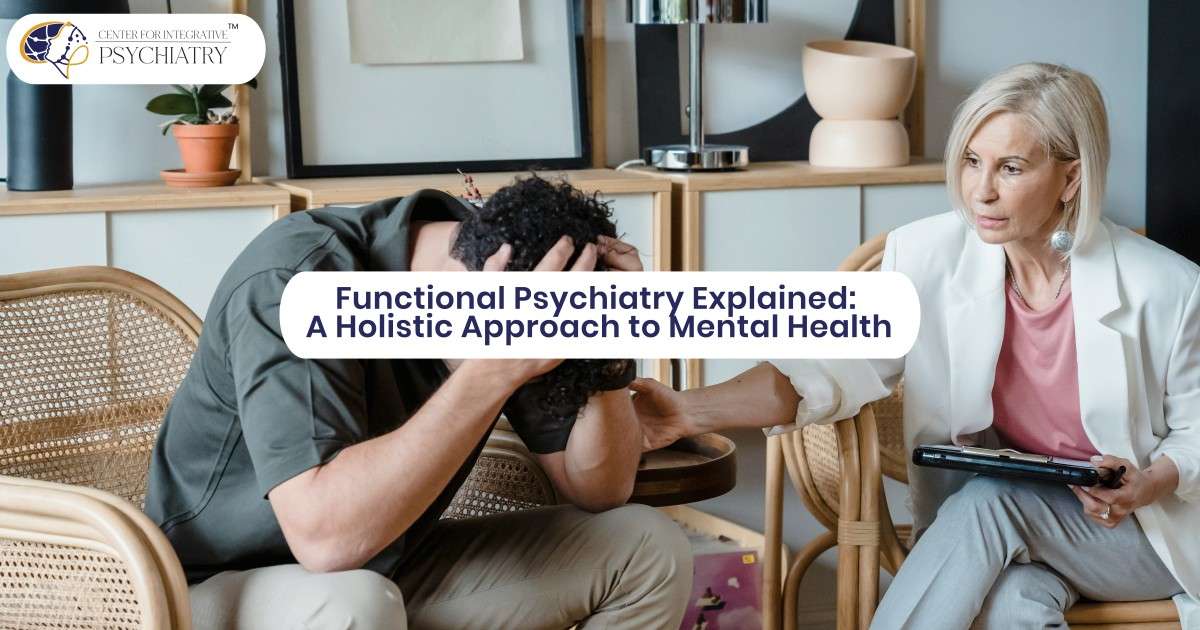
A nutritional psychiatrist is a mental health professional who integrates dietary strategies into their treatment plans. Unlike traditional psychiatrists who might focus primarily on medication and therapy, nutritional psychiatrists look at the broader picture, including how certain foods and nutrients affect the brain and mood.
- Assessment: Nutritional psychiatrists assess patients’ diets, nutritional status, and eating habits to identify potential areas of improvement that could benefit mental health.
- Dietary Interventions: They recommend dietary changes, supplementation, and nutritional strategies alongside or instead of traditional psychiatric treatments, depending on the patient’s needs.
- Holistic Approach: By considering both psychological and physical factors, nutritional psychiatry aims to enhance overall well-being, not just alleviate symptoms.
The Impact of Nutrition on Mental Health
Nutrition plays a critical role in brain function and mental health. There is a growing body of evidence showing that certain nutrients are vital for cognitive function, mood regulation, and overall mental well-being. But what is impact psychiatry when it comes to nutrition?
Protein and Mental Health
Protein and mental health are closely connected. Proteins are made up of amino acids, which are the building blocks of neurotransmitters—chemicals in the brain that regulate mood and behavior.
- Serotonin Production: Tryptophan, an amino acid found in protein-rich foods, is a precursor to serotonin, a neurotransmitter that plays a key role in mood regulation. Low levels of serotonin are associated with depression and anxiety.
- Dopamine and Motivation: Tyrosine, another amino acid, is essential for the production of dopamine, which influences motivation, pleasure, and focus.
A diet low in protein can potentially disrupt the balance of these neurotransmitters, leading to mood disorders and cognitive difficulties.
What is a Positive Correlation in Nutrition?
What is a positive correlation in nutrition? In the context of nutritional psychiatry, a positive correlation refers to the relationship between nutrient-rich diets and improved mental health outcomes. Studies have shown that diets high in fruits, vegetables, whole grains, lean proteins, and healthy fats are associated with a lower risk of depression, anxiety, and other mental health disorders.
- Healthy Fats: Omega-3 fatty acids, found in fish, flaxseed, and walnuts, are linked to reduced inflammation and improved mood.
- Vitamins and Minerals: B vitamins, vitamin D, magnesium, and zinc play critical roles in brain health. Deficiencies in these nutrients have been linked to various mental health issues, including depression and cognitive decline.
The Gut-Brain Connection
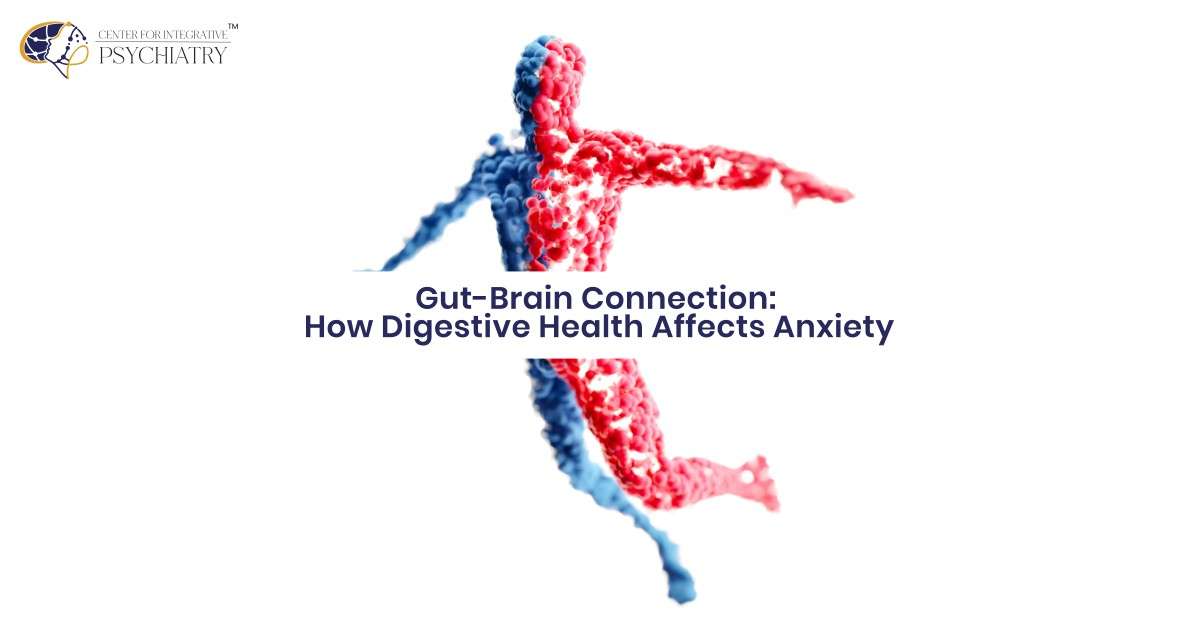
An important aspect of nutritional psychiatry is the mind and health psychiatry connection, particularly the gut-brain axis. The gut is often referred to as the “second brain” because of its extensive network of neurons and its ability to produce neurotransmitters like serotonin.
- Probiotics and Mental Health: Emerging research suggests that gut health can significantly impact mental health. Probiotics and prebiotics, which support healthy gut bacteria, have been linked to improvements in mood, anxiety, and even cognitive function.
- Diet and Gut Health: Diets high in fiber, fermented foods, and low in processed sugars help maintain a healthy gut microbiome, which in turn supports better mental health.
Can a Psychiatrist Prescribe Medication in Nutritional Psychiatry?
A common question is whether a psychiatrist can prescribe medication within the framework of nutritional psychiatry. The answer is yes. Nutritional psychiatrists, like traditional psychiatrists, are licensed medical doctors who can prescribe medications. However, their approach often emphasizes diet and lifestyle changes as the first line of treatment, reserving medication for cases where these interventions are insufficient or as a complementary therapy.
Therapy and Medication in Nutritional Psychiatry
- Integrated Care: Nutritional psychiatrists may combine medication with dietary interventions, addressing both the biological and lifestyle factors that contribute to mental health issues.
- Medication Considerations: When prescribing medication, nutritional psychiatrists may take into account how diet and nutrients can affect the medication’s efficacy and side effects, providing a more personalized treatment plan.
The Benefits of Nutrition Psychiatry
Nutritional psychiatry offers a holistic approach that considers the complex relationship between diet, lifestyle, and mental health. Here are some benefits:
Personalized Treatment Plans
Nutritional psychiatry offers tailored treatment plans based on an individual’s specific nutritional needs, mental health conditions, and overall lifestyle. This personalized approach can lead to more effective and sustainable outcomes compared to standard treatments.
Long-Term Mental Health Improvement
By addressing the root causes of mental health issues—such as nutrient deficiencies, poor diet, and unhealthy lifestyle habits—nutritional psychiatry aims to provide long-term solutions rather than just symptom management. This approach can lead to more enduring mental health improvements.
Preventive Care
Nutritional psychiatry not only treats existing mental health issues but also emphasizes prevention. By promoting a nutrient-rich diet and healthy lifestyle, this approach helps reduce the risk of developing mental health disorders in the future.
Conclusion
What is nutritional psychiatry? Nutritional psychiatry represents a promising frontier in mental health care, offering a holistic approach that integrates diet, nutrition, and traditional psychiatric methods.
Whether you’re struggling with mood disorders, cognitive issues, or general mental well-being, considering the role of nutrition could be a crucial step toward recovery.
Contact Us
If you’re interested in exploring how nutritional psychiatry can benefit your mental health, Contact the Center for Integrative Psychiatry™ today at 1-877-283-5336. Our experienced team of nutritional psychiatrists is here to help you develop a comprehensive and personalized treatment plan.
Medical Disclaimer
The information provided in this article is for educational purposes only and is not intended as medical advice. Please consult with a qualified healthcare provider or reach out to the Center for Integrative Psychiatry™ before starting any new treatment or therapy.
Frequently Asked Questions (FAQ)
Q: Can a psychiatrist prescribe medication in nutritional psychiatry?
A: Yes, nutritional psychiatrists can prescribe medication, but they often focus on dietary interventions as the first line of treatment.
Q: What is a positive correlation in nutrition?
A: A positive correlation in nutrition refers to the relationship between healthy dietary patterns and improved mental health outcomes.
Q: How does protein affect mental health?
A: Protein provides amino acids that are essential for the production of neurotransmitters like serotonin and dopamine, which regulate mood and behavior.
Q: What is the role of a nutritional psychiatrist?
A: A nutritional psychiatrist integrates dietary strategies with traditional psychiatric treatments to address both mental and physical health.
Q: What impact does the gut-brain connection have on mental health?
A: The gut-brain connection plays a significant role in mental health, with gut bacteria influencing mood, anxiety, and cognitive function.
This article is for education and general information. It isn't a substitute for individual medical advice, diagnosis, or treatment from a qualified clinician.
Webmaster
Articles on this blog are educational resources from the Center for Integrative Psychiatry, a multidisciplinary clinic offering evidence-based psychiatry, therapy, TMS, and integrative care for Texans since 2015. They are not medical advice — always talk with your own clinician about your care.
Meet the CIP team