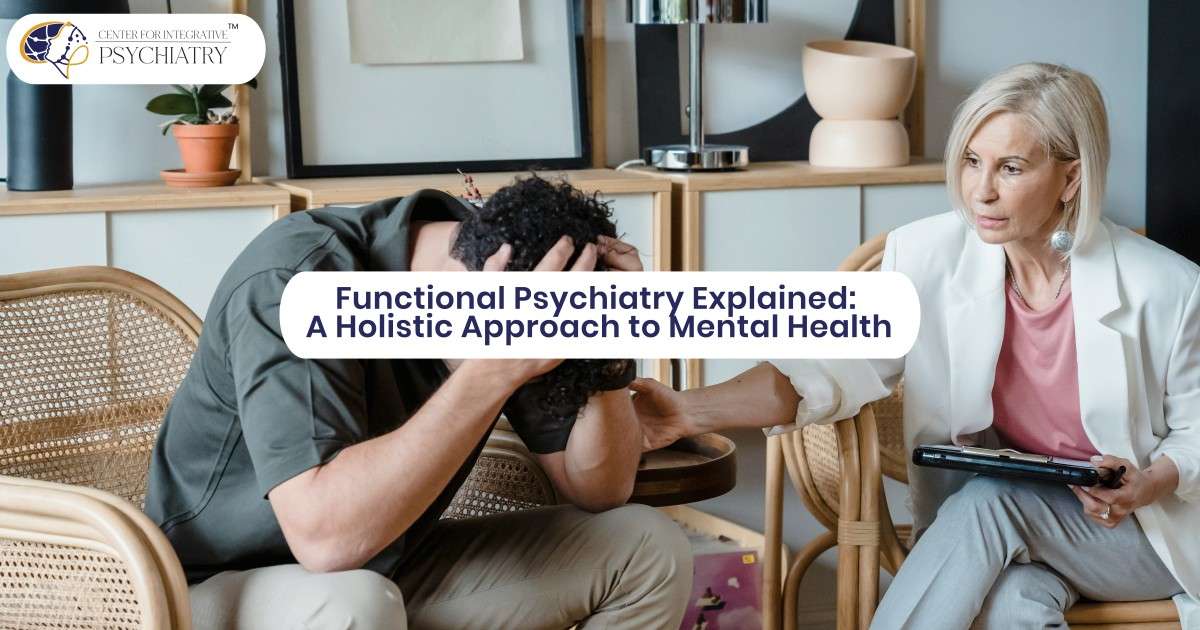

Counseling is a professional partnership designed to support individuals in addressing personal, emotional, and psychological challenges. At the Center for Integrative Psychiatry™, our mission is to provide compassionate care tailored to your unique needs. Counseling fosters mental and emotional well-being by offering a safe, non-judgmental space for self-exploration and growth. In this guide, we’ll explore the essential purposes of counseling and the transformative impact it can have on an individual’s life.
The Core Objectives of Counseling
1. Facilitating Self-Exploration and Insight
Counseling encourages individuals to delve into their inner experiences, helping them understand their emotions, thoughts, and behaviors. By fostering self-awareness, clients gain valuable insight into their challenges and motivations, paving the way for personal growth. At the Center for Integrative Psychiatry™, we guide you through this journey with empathy and expertise. Keywords like “why is counseling important” and “counseling benefits” align with this purpose.
2. Providing Emotional Support
Life’s difficulties can feel overwhelming without adequate support. Counseling offers a compassionate environment where individuals can openly express their feelings and process difficult emotions, such as stress, anxiety, or grief. This is especially helpful for those seeking solutions for “how to manage stress” or “ways to overcome anxiety.” Our Center ensures that each session is a space for healing and encouragement.
3. Promoting Behavioral Change
Through counseling, clients can identify unhelpful patterns in their behaviors and work towards positive changes. Counselors provide strategies and tools to help individuals adopt healthier coping mechanisms and habits. Queries like “advantages of counseling” and “positive impact counseling” are relevant to this goal.
4. Developing Problem-Solving Skills
Many people seek counseling to navigate specific challenges in their lives. Counselors guide clients through effective problem-solving techniques, empowering them to tackle personal and interpersonal issues confidently. For those searching for “list 5 reasons why people should seek therapy,” this aspect is highly significant.
5. Goal Setting and Achievement
Counseling helps individuals define realistic goals and develop actionable plans to achieve them. Whether it’s overcoming a specific challenge or improving overall well-being, counselors provide the support needed to stay on track. At the Center for Integrative Psychiatry™, we help you build the skills and confidence to reach your aspirations. Searches like “benefits of individual counseling” often bring individuals to seek this service.
6. Enhancing Relationships
Strong relationships are vital for emotional health. Counseling can improve communication and interpersonal skills, leading to healthier, more fulfilling connections with others. Keywords like “counseling with a purpose” and “relationship counseling benefits” are central to this aspect.
7. Building Resilience
Life’s adversities can test anyone’s strength. Counseling fosters resilience, equipping individuals with the tools to adapt to stress, loss, or change more effectively. Keywords like “reasons for counseling” and “how therapy helps build resilience” align with this purpose.
Types of Counseling Services
Individual Counseling
Focused on one-on-one sessions, individual counseling helps clients address personal concerns such as anxiety, depression, or self-esteem issues. At the Center for Integrative Psychiatry™, we offer customized approaches to help you navigate life’s challenges. People often search for “benefits of individual counseling” or “therapy for personal growth” to access these services.
Couples Counseling
For those experiencing relationship challenges, couples counseling facilitates better communication, conflict resolution, and emotional connection. Keywords such as “marriage counseling benefits” or “how to improve a relationship” align with this service.
Family Counseling
This type of counseling aims to improve dynamics within a family, addressing issues such as parenting conflicts, sibling rivalry, or major life transitions. Searches like “family therapy for communication” are relevant here.
Career Counseling
For individuals facing career uncertainties, this form of counseling provides guidance on goal-setting, skill development, and navigating professional transitions. Queries such as “career advice for change” or “choosing the right career path” often lead to career counseling.
Group Counseling
Group settings allow individuals to connect with others facing similar challenges, fostering mutual support and shared learning. Keywords like “group therapy benefits” and “support groups for mental health” are common.
Common Misconceptions About Counseling
1. Counseling is Only for Severe Problems
Many believe that counseling is only for those in crisis, but it is beneficial for anyone seeking personal growth, self-awareness, or support during life transitions. Addressing “myths about counseling” helps dispel these ideas.
2. Counselors Give Direct Advice
Counselors guide individuals in exploring their own solutions rather than imposing their opinions or advice. Keywords like “what to expect in therapy” are central to this understanding.
3. Seeking Counseling is a Sign of Weakness
Asking for help demonstrates strength and a commitment to personal well-being. At the Center for Integrative Psychiatry™, we emphasize that seeking help is a step toward empowerment. Searches like “true talk mental health counseling” and “benefits of therapy” often highlight this perspective.
The Role of Confidentiality in Counseling
Confidentiality is a cornerstone of the counseling process. Counselors adhere to strict ethical guidelines to ensure that clients feel secure discussing sensitive matters. At the Center for Integrative Psychiatry™, we prioritize your privacy, ensuring a trusting and safe environment. Exceptions to confidentiality occur only in cases where safety is at risk, such as harm to self or others. Keywords like “importance of confidentiality in therapy” are relevant here.
How to Choose the Right Counselor
Selecting the right counselor is crucial for a successful experience. Consider the following factors:
- Credentials and Experience: Ensure the counselor is licensed and has experience with your specific concerns.
- Specializations: Look for a counselor specializing in areas such as anxiety, trauma, or relationship issues.
- Personal Fit: A strong therapeutic relationship is essential. Choose someone you feel comfortable with.
At the Center for Integrative Psychiatry™, we match you with counselors who align with your unique needs. Keywords like “how to find the best therapist” and “qualities of a good counselor” are important here.
How Counseling Makes a Difference
Counseling is more than a short-term solution—it’s a journey of self-discovery and empowerment. By addressing both immediate concerns and underlying issues, counseling helps individuals:
- Develop greater self-esteem.
- Manage stress and anxiety.
- Overcome trauma or grief.
- Cultivate a healthier outlook on life.
When Should You Consider Counseling?
Counseling is beneficial for anyone seeking growth or facing challenges, such as:
- Difficulty managing stress or emotions.
- Relationship conflicts.
- Loss of a loved one.
- Career uncertainties.
- Symptoms of mental health conditions like depression or anxiety.
Conclusion
The essential purpose of counseling lies in its ability to empower individuals to navigate life’s complexities with clarity and confidence. At the Center for Integrative Psychiatry™, we are committed to helping you achieve mental and emotional well-being through personalized care. By fostering self-awareness, emotional health, and personal growth, counseling serves as a transformative tool for leading a more balanced and fulfilling life. If you’re ready to embark on this journey, reach out to our compassionate team today and take the first step toward positive change.
Medical Disclaimer:
This information is for educational purposes only and is not a substitute for professional medical advice, diagnosis, or treatment. Always consult a healthcare provider with any questions or concerns
FAQs
1. Why is counseling important?
Counseling provides a safe space to explore emotions, gain self-awareness, and develop coping strategies, ultimately fostering mental and emotional well-being.
2. What are the benefits of counseling?
Counseling helps improve self-esteem, manage stress, strengthen relationships, and promote behavioral changes for a healthier, more fulfilling life.
3. Can therapy help with anxiety or depression?
Yes, therapy is highly effective in managing symptoms of anxiety and depression through techniques tailored to individual needs.
4. What are the advantages of individual counseling?
Individual counseling offers personalized attention, enabling clients to focus deeply on their specific concerns and goals.
5. How does counseling impact students?
Counseling benefits students by enhancing emotional resilience, improving academic performance, and providing tools to navigate social or personal challenges.
6. What are five reasons to seek therapy?
- Managing stress and anxiety.
- Overcoming trauma or grief.
- Improving relationships.
- Building self-confidence.
- Navigating life transitions.
This article is for education and general information. It isn't a substitute for individual medical advice, diagnosis, or treatment from a qualified clinician.
Webmaster
Articles on this blog are educational resources from the Center for Integrative Psychiatry, a multidisciplinary clinic offering evidence-based psychiatry, therapy, TMS, and integrative care for Texans since 2015. They are not medical advice — always talk with your own clinician about your care.
Meet the CIP team