
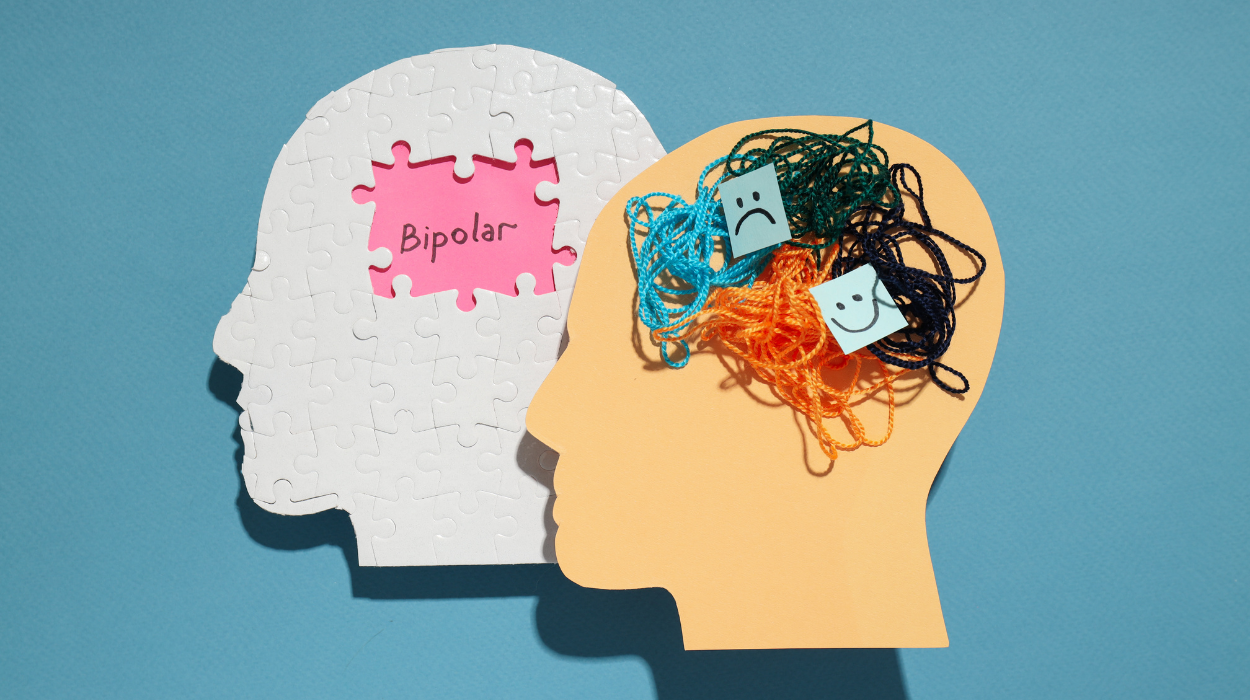
Many people struggle with deep sadness and lose interest in their favorite daily activities. However, identifying the exact cause of these emotions can be highly challenging. Do you know how to tell if your struggles point to bipolar depression vs depression? Getting an accurate diagnosis is the first step toward reclaiming your long-term mental wellness.
At Texas CIP, we specialize in helping individuals understand and manage complex mood disorders. Our dedicated team provides compassionate care through evidence-based services including Mental Health Therapy, Medication Management, and Functional Psychiatry. For patients who want an integrative approach to healing, we offer specialized options like Life Coaching, Nutritional Psychiatry, Naturopathy, and advanced non-invasive options like TMS. Whether you need support for Depression, Bipolar Disorder, Anxiety Disorders, Obsessive Compulsive Disorder (OCD), ADHD, PTSD, Schizophrenia & Psychosis, or Grief & Loss, we provide virtual Telehealth and in-person consultations to help you find balance.
Exploring The Key Differences In Bipolar Depression Vs Depression
Historically, clinical providers have struggled to differentiate between various types of mood disorders because their low phases can feel virtually identical. Unipolar depression, often referred to as major clinical depression, is characterized by persistent low moods and a lack of energy. Bipolar depression occurs as one phase of a broader cycle that also includes periods of mania or hypomania.
When exploring bipolar depression vs depression, the most critical factor is the presence of these elevated cycles. During a depressive phase, an individual with bipolar disorder may experience the exact same feelings of emptiness and fatigue as someone with major depression. However, treating these two conditions requires completely different clinical paths, making an accurate initial assessment incredibly important.
If a patient is misdiagnosed, the consequences can significantly impact their healing process. For instance, prescribing standard antidepressant medications to someone with bipolar disorder without a stabilizing agent can accidentally trigger a manic episode. This is why our clinical team emphasizes a highly thorough review of your behavioral and physical history before recommending any medications.
The Critical Clinical Variations In Major Depression Vs Bipolar Disorder
Psychiatrists analyze specific behavioral indicators and historical patterns to differentiate between major depression vs bipolar disorder. While both conditions can cause severe emotional distress, their long-term trajectories require unique management strategies. Understanding how these illnesses function over time helps clinicians build a safer, more predictable path to recovery.
Individuals dealing with unipolar depression generally experience a continuous flat or low emotional baseline without periods of high energy. In contrast, those with bipolar struggles often experience sudden shifts in their energy levels, sleep requirements, and productivity. These shifts might last for days or weeks, completely changing how the individual interacts with their family and coworkers.
Family genetics also play a major role in distinguishing these two clinical profiles. Bipolar conditions tend to have a much stronger hereditary link than unipolar depression. During your initial clinical consultation, your provider will ask detailed questions about your family history to help identify any underlying genetic predispositions.
Understanding The Real Difference Between Bipolar and Depression Symptoms
While the depressive phases of both conditions feel identical on the surface, looking closer at behavioral history reveals distinct indicators. Recognizing these subtle signs helps clinicians differentiate the two conditions and establish an effective path forward.
If you are trying to understand the difference between bipolar and depression in your own life, look for these specific behavioral patterns:
- History of hypomania: Experiencing periods of intense creativity, rapid speech, decreased need for sleep, and impulsive decision-making.
- Sudden onset of symptoms: Bipolar depressive phases often begin much more abruptly than unipolar depressive episodes, which tend to develop gradually over several weeks.
- Early age of onset: The first symptoms of bipolar struggles typically appear during late adolescence or early adulthood, whereas unipolar depression can develop at any stage of life.
- Unpredictable energy shifts: Moving from extreme lethargy to sudden bursts of hyperactivity or intense irritability without an obvious external trigger.
- Frequent treatment resistance: Experiencing minimal improvement after trying multiple standard antidepressant medications.
Why You Need A Comprehensive Mood Disorder Evaluation Texas Session
Self-diagnosing complex emotional struggles through online resources often leads to confusion, frustration, and ineffective treatment plans. Scheduling a professional mood disorder evaluation Texas families trust is the most reliable way to get the clarity you deserve. This assessment is not a test, but a collaborative conversation about your history, lifestyle, and wellness goals.
During a professional assessment, our clinical team looks beyond surface-level symptoms to analyze your complete biology. We examine your sleep architecture, thyroid function, nutritional habits, and daily stress levels to rule out physical issues that mimic psychiatric concerns. This comprehensive strategy ensures that we address the root causes of your emotional highs and lows.
Through our convenient virtual telehealth services, patients across the state of Texas can access these detailed evaluations from the comfort of their homes. This flexibility allows you to receive expert clinical guidance without the added stress of traveling to an office, making consistent mental health support highly accessible.
Consulting A Psychiatrist Mood Disorder Dallas Families Recommend
Navigating emotional extremes is an exhausting journey that requires expert medical oversight. Many people ask: What kind of doctor do I see for bipolar depression? Finding a specialized provider who understands complex neurochemistry is vital for getting the right diagnosis and treatment plan.
Partnering with a dedicated bipolar depression psychiatrist dallas offers helps you explore safe options. Our clinic provides access to the kind of psychiatrist mood disorder Dallas patients trust for personalized, non-judgmental evaluations. We work closely with you to demystify your symptoms and build a treatment plan that respects your individual needs and lifestyle preferences.
What Is The Best Treatment For Bipolar Disorder And Chronic Depressive States?
Successful recovery depends on a multi-dimensional approach that stabilizes the nervous system and improves daily function. If you are wondering: What is the best treatment for bipolar disorder? there is no single answer, as the most effective plans combine clinical care with holistic lifestyle adjustments.
To help you achieve lasting emotional balance, we design highly personalized care plans that utilize multiple healing modalities:
- Medication management: Utilizing mood stabilizers, atypical antipsychotics, or carefully monitored therapies to prevent extreme emotional shifts.
- Advanced brain stimulation: Incorporating non-invasive treatments like TMS to help regulate brain pathways associated with treatment-resistant depression.
- Functional medicine and naturopathy: Analyzing gut health and systemic inflammation to support your brain chemistry naturally.
- Nutritional psychiatry: Creating a targeted dietary plan that provides the essential building blocks for healthy neurotransmitter production.
- Integrative life coaching: Building practical routines, improving sleep hygiene, and developing coping mechanisms to manage daily stressors.
Conclusion
Determining whether your struggles stem from bipolar depression vs depression is a vital step toward reclaiming your peace of mind. While the emotional lows of both conditions look similar, receiving an accurate diagnostic assessment ensures you receive the correct, safest care. You do not have to navigate this complex emotional landscape on your own.
At Texas CIP, we are committed to walking with you through every stage of your healing journey. Our expert team combines traditional psychiatry with holistic therapies to treat conditions like Bipolar Disorder, Depression, Anxiety Disorders, and PTSD. Contact Texas CIP today to schedule your comprehensive evaluation and start your path toward a balanced, vibrant life.
Frequently Asked Questions
Why is distinguishing bipolar depression vs depression critical before starting medication?
Distinguishing between these conditions is critical because standard antidepressant medications can trigger manic episodes, rapid cycling, or increased irritability in individuals with bipolar disorder if they are taken without a mood stabilizer.
What is the main difference between bipolar and depression symptoms in adults?
The main difference is the presence of manic or hypomanic phases in bipolar disorder. While both conditions feature deep depressive lows, only bipolar disorder involves periods of elevated mood, racing thoughts, and high energy.
When should you seek a professional mood disorder evaluation Texas based assessment?
You should seek a professional evaluation when persistent sadness, extreme mood shifts, or changes in your sleep patterns begin to disrupt your career, relationships, or physical health for more than two weeks.
Where can I find a trusted psychiatrist mood disorder Dallas patients recommend?
You can find trusted, specialized care at Texas CIP. Our team offers comprehensive evaluations and integrative treatments both in-person and through convenient virtual telehealth visits across the state.
How does a clinic determine major depression vs bipolar disorder during a clinical visit?
Clinicians determine this by conducting a detailed personal and family history interview, reviewing childhood behavioral patterns, analyzing previous responses to medications, and ruling out physical health issues.
What kind of doctor do I see for bipolar depression to get a proper diagnosis?
You should see a board-certified psychiatrist or a specialized psychiatric nurse practitioner. Working with a dedicated bipolar depression psychiatrist dallas based provider ensures you receive a thorough diagnostic assessment and a safe, tailored treatment plan.
Disclaimer
The information provided in this article is for educational and informational purposes only and is not intended as medical advice. It should not be used as a substitute for professional diagnostic, psychiatric, or therapeutic evaluation. Always consult with a qualified healthcare professional regarding any mental health concerns.
This article is for education and general information. It isn't a substitute for individual medical advice, diagnosis, or treatment from a qualified clinician.
Webmaster
Articles on this blog are educational resources from the Center for Integrative Psychiatry, a multidisciplinary clinic offering evidence-based psychiatry, therapy, TMS, and integrative care for Texans since 2015. They are not medical advice — always talk with your own clinician about your care.
Meet the CIP team