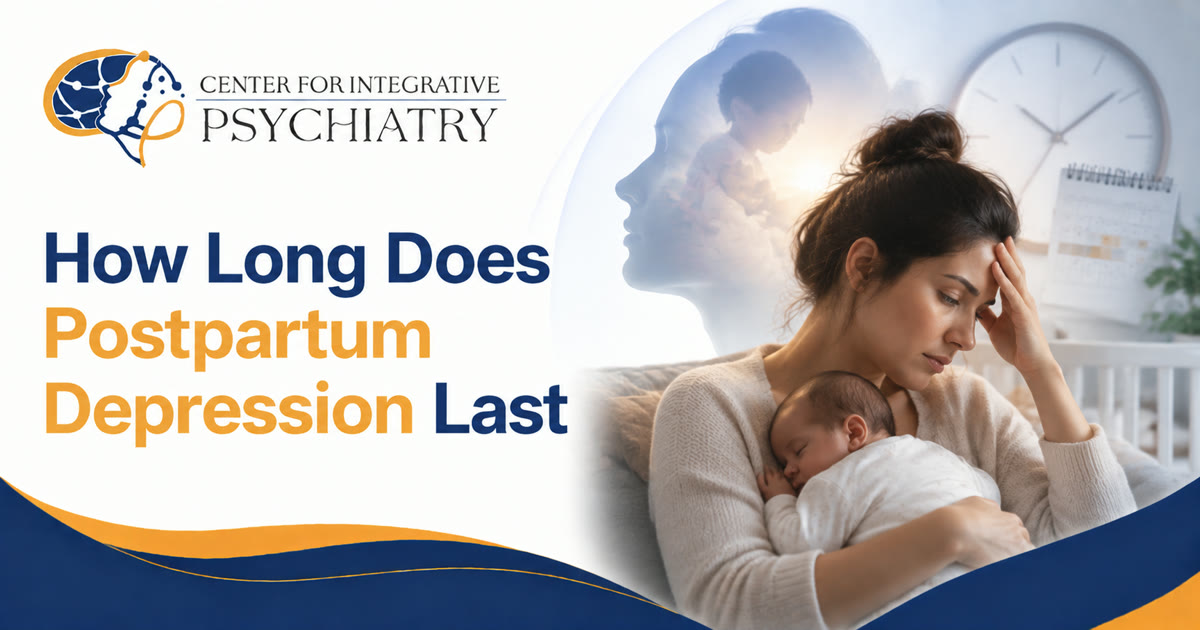
Welcoming a new child brings immense joy along with profound emotional changes. However, many new parents experience deep sorrow and overwhelming fatigue. Do you wonder how long does postpartum depression last after giving birth? Understanding this timeline brings essential reassurance and guides you toward lasting recovery.
At Texas CIP, we provide compassionate and specialized psychiatric care for individuals navigating perinatal mood challenges. Treating perinatal Depression requires an integrative clinical approach that honors both emotional wellness and biological recovery. Through Mental Health Therapy, Functional Psychiatry, Medication Management, Nutritional Psychiatry, and accessible Telehealth services across Texas, our dedicated team helps parents rebalance their health and regain joyful connection with their families.
Understanding The Postpartum Depression Timeline: What To Expect
Navigating the weeks following childbirth can feel emotionally disorienting. Establishing a clear postpartum depression timeline helps parents distinguish normal hormonal adjustments from clinical mood disorders. While the transient "baby blues" typically resolve within two weeks, clinical postpartum depression involves persistent emotional distress.
A typical clinical timeline unfolds across several distinct phases:
- The First Two Weeks: Mild weepiness, mood swings, and transient anxiety frequently occur as reproductive hormones drop abruptly after delivery.
- One to Three Months Postpartum: Clinical depressive symptoms often emerge fully, featuring intense exhaustion, persistent sorrow, and intrusive fears.
- Six Months and Beyond: Without specialized medical support, symptoms can entrench into chronic functional impairment and emotional withdrawal.
- One Year Mark: Persistent depressive disorder episodes at this milestone signal chronic major depression, requiring thorough neurobiological and psychiatric evaluation.
When Does Postpartum Depression Occur In New Parents?
While onset commonly happens between four and six weeks after delivery, symptoms can appear at any point during the first full year. Medical providers also recognize that depressive symptoms can begin during pregnancy, a condition known as peripartum depression.
Understanding when can you get postpartum depression is vital for early detection. The risk window extends much further than the immediate postpartum period. Stressful developmental transitions, such as sleep regressions, returning to work, or weaning from breastfeeding, can trigger hormonal fluctuations that initiate mood episodes months down the road.
Common biological and situational triggers include:
- Sudden drops in estrogen and progesterone immediately following childbirth.
- Significant thyroid dysfunction or adrenal dysregulation caused by birth stress.
- Severe sleep fragmentation that impairs neurotransmitter synthesis.
- Acute birth trauma that triggers overlapping PTSD symptoms.
- Genetic vulnerability to preexisting conditions like Bipolar Disorder or Anxiety Disorders.
How Long Does Postpartum Depression Last Without Clinical Support?
When evaluating how long does postpartum depression last, clinicians emphasize that duration depends heavily on early intervention. Untreated postpartum depression rarely resolves quickly on its own. For many individuals, symptoms persist for several months, often waxing and waning depending on sleep quality, physical depletion, and relational stress.
In the middle of the first year, recognizing the duration of postpartum depression becomes critical because prolonged maternal distress affects both parent and infant. Neurochemical depletion and chronic systemic inflammation make natural recovery difficult without targeted interventions.
Our psychiatrists in Dallas combine functional psychiatry and medication management to stabilize hormonal and neurological pathways effectively.
Does Postnatal Depression Go Away On Its Own?
While mild cases may gradually subside as hormones balance and sleep patterns stabilize, moderate to severe cases usually do not vanish without targeted care. Hoping the condition will disappear on its own often prolongs avoidable suffering.
People searching online often wonder how long is ppd good for in terms of natural duration and diagnostic timelines. Clinically, an untreated episode is not limited to a short window, it can linger as an active, debilitating episode for many months.
Seeking evidence-based postnatal depression treatment in Dallas significantly shortens this trajectory, accelerating the transition to emotional stability.
Can Postpartum Last For Years If Left Untreated?
The clinical answer is yes. When perinatal mood disorders go untreated, they frequently evolve into treatment-resistant depression, chronic dysthymia, or persistent generalized anxiety.
Research indicates that a notable percentage of mothers who do not receive clinical care remain clinically depressed several years after giving birth. Over time, prolonged stress damages neural circuits, disrupts gut health, and increases vulnerability to other mental health conditions:
- Obsessive Compulsive Disorder (OCD): Intrusive, horrifying thoughts regarding infant harm can become severe and obsessive.
- ADHD Complications: Existing executive dysfunction worsens dramatically under maternal sleep deprivation.
- Severe Grief and Loss: Mothers often mourn the loss of their former identity, career autonomy, or ideal birth experiences.
- Psychotic Episodes: In rare cases, underlying Schizophrenia & Psychosis or bipolar shifts can trigger postpartum psychosis, requiring emergency stabilization.
Integrative Mental Health Care At Texas CIP
At Texas CIP, we view maternal mental health through a whole-person lens. We recognize that bringing a child into the world impacts every biological system. Our multidisciplinary Dallas psychiatric clinic designs individualized treatment plans tailored to each parent's unique neurobiology, lifestyle, and emotional needs.
Our comprehensive clinical services include:
- Mental Health Therapy: Specialized cognitive and interpersonal counseling to process birth trauma, alleviate guilt, and build resilience.
- Nutritional Psychiatry: Targeted micronutrient protocols, gut repair strategies, and anti-inflammatory diets to rebuild physical energy.
- Transcranial Magnetic Stimulation (TMS): Innovative, non-invasive neurostimulation targeting brain circuits impaired by treatment-resistant depression without systemic medication side effects.
- Life Coaching: Practical guidance to help new parents establish realistic boundaries, organize domestic routines, and protect self-care habits.
- Statewide Telehealth Services: Secure, accessible virtual psychiatric consultations and therapy sessions from the comfort of your home anywhere in Texas.
Final Thoughts
Understanding how long does postpartum depression last provides hope during an overwhelming chapter of parenthood. While untreated episodes can persist for months or even years, timely and comprehensive medical care dramatically shortens the recovery process. You do not have to endure maternal exhaustion and despair in silence.
If you or a loved one is struggling with postpartum mood shifts, dedicated support is ready for you. Contact Texas CIP today to schedule a confidential evaluation. Through our specialized Mental Health Therapy, Functional Psychiatry, TMS, and convenient Telehealth services, our compassionate practitioners will guide you back toward joy, vitality, and emotional peace.
Frequently asked questions
- Who is most vulnerable to prolonged postpartum depression?
- Parents with a personal or family history of major Depression, Bipolar Disorder, severe premenstrual dysphoric disorder, or inadequate social support face higher risks for extended episodes.
- What is the difference between baby blues and clinical postpartum depression?
- Baby blues involve mild emotional weepiness that resolves within two weeks, whereas postpartum depression features severe despair, cognitive detachment, and panic that persists for months.
- When should parents seek immediate medical intervention for postpartum symptoms?
- Seek immediate professional help if you experience thoughts of self-harm, urges to harm your infant, intense paranoia, or debilitating panic attacks that prevent basic caregiving.
- Where can families across Texas access specialized maternal psychiatric care?
- Families throughout Texas can receive integrated clinical care through Texas CIP's in-person clinics and secure, convenient Telehealth platform.
- Why does severe sleep deprivation prolong perinatal mood disorders?
- Chronic sleep loss prevents the brain from entering restorative slow-wave sleep, disrupting serotonin, dopamine, and cortisol regulation and severely worsening mood stability.
- How do holistic therapies support long-term postpartum healing?
- Holistic therapies like nutritional psychiatry and naturopathy address underlying cellular inflammation, nutrient depletion, and hormonal crashes, giving the brain biological resources to recover.
This article is for education and general information. It isn't a substitute for individual medical advice, diagnosis, or treatment from a qualified clinician.
Webmaster
Articles on this blog are educational resources from the Center for Integrative Psychiatry, a multidisciplinary clinic offering evidence-based psychiatry, therapy, TMS, and integrative care for Texans since 2015. They are not medical advice — always talk with your own clinician about your care.
Meet the CIP team