
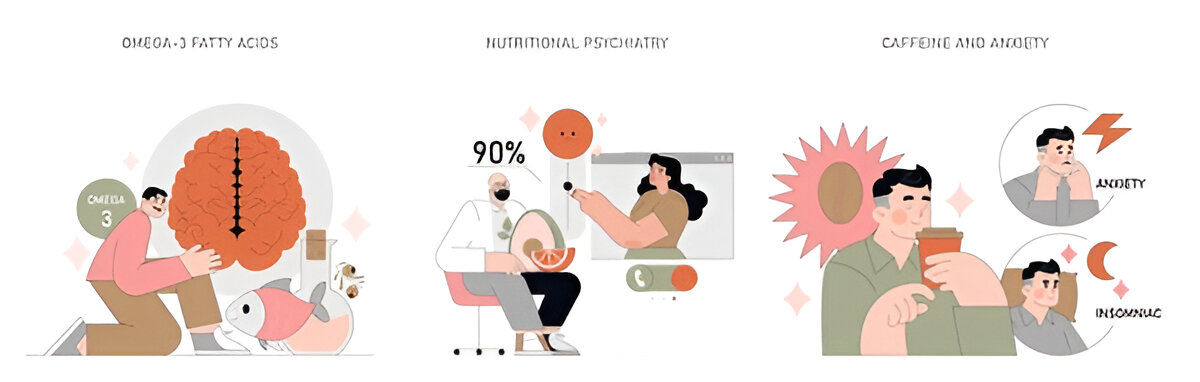
Your brain is always active—whether you’re solving problems, planning your day, or even when you’re asleep. It needs a constant supply of energy, and that energy comes from the foods you eat. Just like a high-end car needs premium fuel, your brain works best when you feed it high-quality food rich in important nutrients. Nutritional psychiatry is a growing field that explores how diet affects brain function and emotional health. Let’s look at how nutrition impacts your mental health and how you can use food to improve your mood.
The Gut-Brain Axis: The Key to Mental Health
The connection between what we eat and how we feel goes beyond just nutrients. The gut-brain axis plays a major role in how diet affects mental health. The gut, often called the “second brain,” is home to millions of neurons and more than 1,000 different types of microorganisms that make up your microbiome. Studies show that these microorganisms produce important neurotransmitters, like serotonin, which helps control mood, sleep, and appetite.
The gut-brain axis functions as a complex communication network that links your digestive system with your central nervous system. When the gut microbiome is out of balance, it can lead to inflammation, higher stress levels, and even mood disorders. Maintaining a healthy gut is crucial for both physical and mental health. The Harvard Health article on nutritional psychiatry explains that the foods we eat directly affect the bacteria in our gut, which then impacts brain function and emotional health. By consuming a diverse diet rich in probiotics and fiber, you can promote a healthy microbiome that supports your mental health.
Key Nutrients That Impact Mental Health
Omega-3 Fatty Acids: The Mental Health Booster
Omega-3 fatty acids, mainly eicosapentaenoic acid (EPA) and docosahexaenoic acid (DHA), are essential for good brain health. They have anti-inflammatory properties that can help reduce symptoms of anxiety, depression, and stress. Omega-3s are known to support the structure of brain cell membranes and improve overall brain function. Foods rich in omega-3s, like fatty fish (salmon, sardines), walnuts, and flaxseeds, are highly recommended for improving mental health. Studies have shown that people who regularly consume omega-3-rich foods tend to have a lower risk of mood disorders.
Omega-3 fatty acids may influence neurotransmitter pathways associated with motivation and mood regulation. By incorporating omega-3s into your diet, you may experience improved emotional stability and enhanced cognitive function. If you do not eat fish, consider taking a high-quality omega-3 supplement as an alternative.
Magnesium and Folate: For Stress and Cognitive Health
Magnesium plays an important role in nerve function, communication between brain cells, and reducing inflammation. Magnesium deficiency can lead to increased anxiety, irritability, trouble sleeping, and heightened stress levels. Getting enough magnesium may help you feel calmer and more relaxed. Similarly, folate (vitamin B9), the natural form of the vitamin found in foods, is important for neurotransmitter function and can lower the risk of mood disorders. You can find magnesium and folate in leafy greens, legumes, nuts, and seeds.
Magnesium also contributes to the regulation of the hypothalamic-pituitary-adrenal (HPA) axis, which controls the body’s stress response. By including magnesium-rich foods in your diet, you may reduce the impact of chronic stress on your body and improve your resilience. Meanwhile, folate helps support the production of serotonin, which plays a key role in mood stabilization. It is particularly important for people who are genetically predisposed to low folate levels, as folate supplementation can greatly improve their mental health outcomes.
Vitamin D: The Sunshine Vitamin for Your Mood
A lack of vitamin D has been linked to symptoms of depression. Studies suggest that getting enough vitamin D can improve mental well-being. Known as the “sunshine vitamin,” vitamin D is produced when your skin is exposed to sunlight, but it can also be obtained through food and supplements. Foods like eggs, mushrooms, and fortified dairy products are good sources of vitamin D. Vitamin D plays a crucial role in regulating mood and warding off depression, especially in individuals who do not get much sun exposure.
Research suggests that vitamin D plays a role in brain health and mood regulation, but more studies are needed to fully understand its impact on neurotransmitters like dopamine and serotonin. Individuals with low levels of vitamin D are often more susceptible to anxiety and depression. During the winter months, when sun exposure is limited, it may be helpful to take a vitamin D supplement to ensure you are getting enough of this essential nutrient.
Foods to Include and Avoid for Better Mental Health
Foods to Include: The Best Brain Fuel
- Fruits and Vegetables: These are rich in antioxidants and anti-inflammatory compounds that help fight oxidative stress, which can contribute to mood disorders. Berries, leafy greens, and cruciferous vegetables like broccoli are especially beneficial.
- Whole Grains: Whole grains like oats, quinoa, and brown rice provide complex carbohydrates that can increase the availability of tryptophan, a precursor to serotonin, by promoting insulin release, which helps tryptophan enter the brain. Whole grains also provide steady energy, which is important for stabilizing mood throughout the day.
- Fermented Foods: Foods like yogurt, kefir, kimchi, and sauerkraut contain probiotics, which are good bacteria that support gut health and, in turn, mental health. Probiotics help maintain a healthy balance of bacteria in the gut, which is essential for optimal brain function.
- Lean Proteins: Lean proteins like chicken, turkey, and legumes contain tryptophan, an amino acid that helps produce serotonin. Serotonin is crucial for regulating mood, and a diet rich in tryptophan-containing foods can help maintain a stable emotional state.
- Nuts and Seeds: Foods like almonds, chia seeds, and sunflower seeds are rich in nutrients like magnesium, zinc, and healthy fats, which support overall brain health. These snacks can also help reduce inflammation and boost neurotransmitter function.
Foods to Avoid: Protecting Your Mental Health
- Refined Sugars: Diets high in refined sugars are linked to poorer brain function and an increase in symptoms of anxiety and depression. Refined sugars cause blood sugar spikes, followed by crashes, which can lead to irritability and mood swings.
- Highly Processed Foods: These foods are often full of unhealthy fats and lack important nutrients, which can harm brain health and cause inflammation. Processed foods also tend to be high in sodium, which can affect blood pressure and stress levels. Avoiding highly processed snacks and ready-made meals can help you maintain better mental clarity and emotional balance.
Traditional Diets and Mental Health: The Mediterranean Diet Advantage
Many studies have linked traditional diets, like the Mediterranean and Japanese diets, to better mental health. Unlike the Western diet, which is full of refined sugars, unhealthy fats, and processed foods, traditional diets are rich in vegetables, fruits, unprocessed grains, and fish. Studies have shown that traditional diets are associated with a significantly lower risk of depression. Traditional eating patterns are also anti-inflammatory, which helps reduce the risk of mood disorders and promotes long-term brain health.
The Mediterranean diet emphasizes the consumption of olive oil, nuts, seeds, fish, and plenty of fresh produce. These foods provide essential fatty acids, antioxidants, and other key nutrients that contribute to mental wellness. The high intake of omega-3s from fish and the monounsaturated fats from olive oil help protect against depression and anxiety. Additionally, the emphasis on social eating and mindful meal preparation in traditional diets promotes not only physical health but also emotional well-being.
Implementing Nutritional Psychiatry in Daily Life
Practical Tips: You don’t need a complete lifestyle change to benefit from nutritional psychiatry. Start with small steps, like adding omega-3-rich foods to your weekly meals, eating more vegetables, or replacing sugary snacks with healthier options like nuts or fresh fruit. You could also try incorporating fermented foods like yogurt or kimchi to boost your gut health. Small, consistent changes can have a big impact over time.
Mindful Eating: Pay attention to how different foods make you feel. Keeping a food diary can help you identify patterns between your diet and mood. For example, note if certain foods make you feel tired or anxious, and adjust your diet accordingly. Mindful eating practices, like eating slowly and savoring each bite, can also help improve digestion and support mental well-being.
Personalization Is Key: Everyone’s nutritional needs are different, so consulting a mental health professional or a nutritionist can help create a plan that works best for you. Personalized nutrition strategies are crucial for getting the best results in improving mental health. For example, if you have a genetic predisposition to low folate levels, a health professional may recommend specific supplements to ensure you get enough of this important nutrient. Personalized guidance can also help you balance your macronutrient intake to suit your lifestyle and unique health needs.
The Future of Nutritional Psychiatry: A Holistic Approach to Mental Health
Nutritional psychiatry isn’t about replacing traditional treatments for mental health issues, but rather about adding dietary strategies to help improve mental wellness. More research is needed, but early evidence shows that improving your diet can significantly boost emotional well-being. As nutritional psychiatry continues to grow, it offers more ways to manage mental health through a more complete, holistic approach.
In the future, nutritional psychiatry may become a standard part of mental health treatment, where diet is considered just as important as therapy or medication. More practitioners may work alongside nutritionists to create comprehensive care plans that address not only symptoms but also their root causes. By combining nutrition with other forms of treatment, patients could experience a more balanced and sustainable approach to mental health care.
Conclusion
Nutrition is a powerful, but often overlooked, part of mental health. By learning about the foods that can boost your mood and improve brain function, you can make better choices that support your emotional health. Small changes in your diet can lead to big improvements in your mood and overall mental health. For personalized advice on how nutritional psychiatry can help you, consider visiting the Center for Integrative Psychiatry™.
By focusing on foods that nourish your body and mind, you can take proactive steps toward a healthier, happier you. It’s not just about avoiding bad foods—it’s about embracing a diet that supports your brain’s complex needs. Start small, be consistent, and remember that food is a powerful tool in your journey to mental wellness.
References (in APA 7 Format)
- Adan, R. A. H., van der Beek, E. M., & Buitelaar, J. K. (2019). Nutritional psychiatry: Towards improving mental health by what you eat. European Neuropsychopharmacology, 29, 1321-1332. https://doi.org/10.1016/j.euroneuro.2019.10.011
- Grajek, M., Krupa-Kotara, K., Białek-Dratwa, A., Sobczyk, K., Grot, M., Kowalski, O., & Staskiewicz, W. (2022). Nutrition and mental health: A review of current knowledge about the impact of diet on mental health. Frontiers in Nutrition, 9, Article 943998. https://doi.org/10.3389/fnut.2022.943998
- Muscaritoli, M. (2021). The impact of nutrients on mental health and well-being: Insights from the literature. Frontiers in Nutrition, 8, Article 656290. https://doi.org/10.3389/fnut.2021.656290
- Selhub, E. (2015). Nutritional psychiatry: Your brain on food. Harvard Health. https://www.health.harvard.edu/blog/nutritional-psychiatry-your-brain-on-food-201511168626
- Suárez-López, L. M., Bru-Luna, L. M., & Martí-Vilar, M. (2023). Influence of nutrition on mental health: Scoping review. Healthcare, 11(2183). https://doi.org/10.3390/healthcare11152183
Disclaimer
This content is for informational purposes only and should not be considered a substitute for professional medical advice. Always seek the guidance of a licensed medical professional for any questions you may have regarding your health. The Center for Integrative Psychiatry™ assumes no liability for any decisions made based on the information provided in this blog.
This article is for education and general information. It isn't a substitute for individual medical advice, diagnosis, or treatment from a qualified clinician.
Webmaster
Articles on this blog are educational resources from the Center for Integrative Psychiatry, a multidisciplinary clinic offering evidence-based psychiatry, therapy, TMS, and integrative care for Texans since 2015. They are not medical advice — always talk with your own clinician about your care.
Meet the CIP team