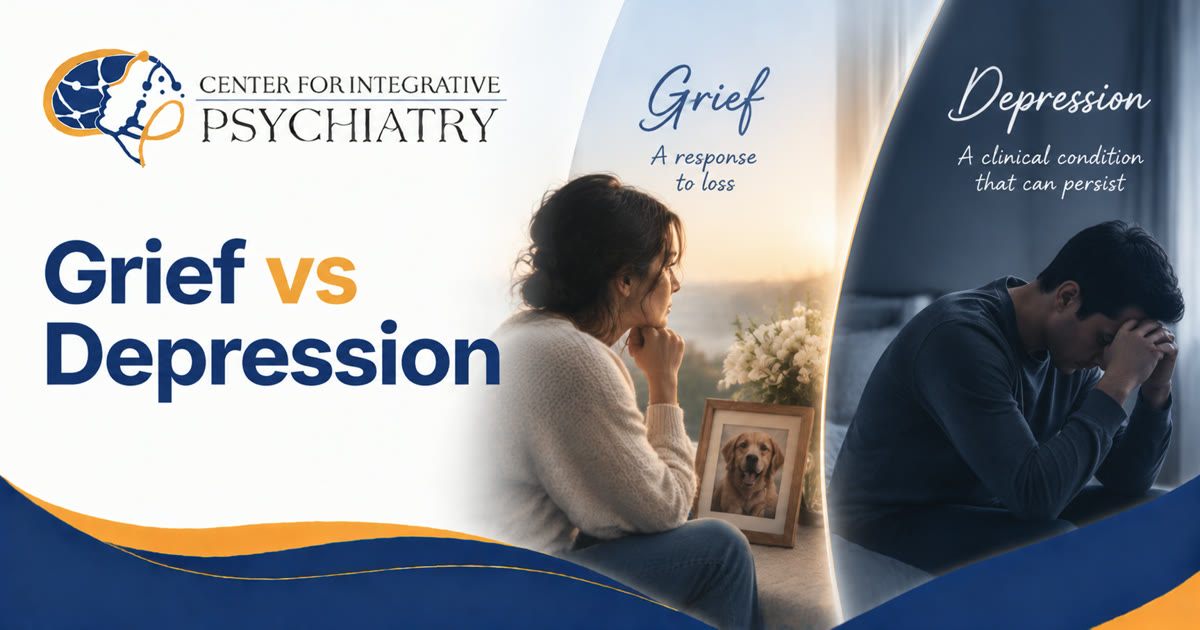

Losing an animal companion can shake your daily life to its core. Animals offer unconditional love that few human relationships can replicate. Do you wonder how to deal with grief of losing a pet effectively? Understanding this heavy sorrow is the first step toward lasting healing.
At Texas CIP, we recognize that companion animal bereavement is a genuine, profound emotional struggle. Navigating Grief & Loss requires comprehensive and empathetic psychological care. Through Mental Health Therapy, Functional Psychiatry, Life Coaching, and accessible Telehealth services, our experienced clinicians provide the personalized tools you need to heal your heart and restore emotional well-being.
Understanding The Grief Meaning Behind Companion Animal Loss
To process your feelings, it helps to reflect on the true grief meaning in everyday life. Grief is the natural psychological, emotional, and physical response to losing an attachment bond. When you lose a pet, you do not just lose an animal; you lose a constant companion, a daily routine, and a nonjudgmental source of safety.
Society often minimizes pet bereavement, leading to disenfranchised grief. Disenfranchised grief happens when your pain is not openly acknowledged or socially validated. Grieving the loss of a pet is completely legitimate, and acknowledging your sorrow is essential for long-term mental health.
The Stages Of Grief When Losing A Pet
Bereavement rarely follows a straight path. Understanding the common stages of grief when losing a pet can bring comfort during emotional turbulence. While people experience these phases in different orders, awareness of them brings stability.
Emotional processing often includes several recognizable phases:
- Denial: Expecting your pet to greet you at the door or believing an error occurred at the veterinary clinic.
- Anger: Feeling resentment toward illness, veterinary staff, or yourself for perceived oversights.
- Bargaining: Dwelling on "what if" scenarios and replaying the animal's final days repeatedly.
- Depression: Experiencing intense sadness, crying spells, isolation, and profound lethargy as the loss settles in.
- Acceptance: Coming to terms with the reality of the loss while holding tender gratitude for shared memories.
If sadness evolves into chronic numbness or severe functional impairment, it may signal clinical Depression, requiring professional evaluation.
How To Deal With Grief Of Losing A Pet: Practical Coping Strategies
Navigating daily life after a beloved companion passes requires active gentleness and self-compassion. Finding how to deal with grief of losing a pet means honoring both your sorrow and your biological need for balance.
Consider these evidence-based recommendations for coping with grief after losing a pet:
- Acknowledge Your Pain Publicly: Talk openly with supportive friends and family members who understand the depth of human-animal connections.
- Maintain Daily Routines: Continue waking, eating, and exercising at regular hours to provide your nervous system with structural stability.
- Establish Meaningful Memorials: Plant a memorial tree, create a photo album, or keep a collar keepsake box to celebrate their life.
- Engage in Creative Expression: Write letters to your pet or journal about your favorite adventures together to release trapped emotions.
- Pause Before Adopting Again: Give yourself adequate space to grieve before bringing a new pet into your home environment.
Targeted interventions like Nutritional Psychiatry and Naturopathy can also support adrenal health and stabilize stress-depleted neurochemicals during this difficult transition. Professional grief treatment in Dallas may also help individuals who are struggling to cope with significant emotional distress after a loss.
How Long Does Grief Last After Losing A Pet?
There is no strict calendar for emotional recovery. Acute distress generally softens over several weeks to months as new routines form.
However, unexpected triggers like finding a stray toy or visiting the park can evoke sharp sadness months later. When severe despair persists beyond twelve months and disrupts work, hygiene, or relationships, it can indicate complicated grief, PTSD, or co-occurring Anxiety Disorders. Information about how bereavement can affect cognitive function and memory is also available in our guide to memory loss during bereavement.
Our clinicians utilize comprehensive Medication Management and advanced neurotherapies like TMS (Transcranial Magnetic Stimulation) to help individuals overcome treatment-resistant emotional trauma.
What To Say When A Pet Dies: Supporting Friends And Family
Watching someone mourn an animal companion can leave you wondering what to say when a pet dies. People frequently resort to cliches that inadvertently minimize the mourner's heartache. Knowing how to comfort someone who lost a pet requires validation and quiet presence rather than attempts to fix their sorrow.
Here are thoughtful approaches to support someone grieving a companion:
- Express Sincere Validation: Say "I know how deeply you loved them, and I am so sorry for your loss" instead of offering platitudes.
- Avoid Minimizing Comparisons: Never suggest that they "can always get another pet" or that "it was just an animal."
- Share Fond Memories: Mention specific sweet moments or quirky habits you loved about their pet to celebrate the bond.
- Offer Practical Assistance: Drop off prepared meals, assist with household tasks, or run errands while their energy reserves remain low.
- Send a Sympathy Card: A handwritten note provides lasting emotional comfort during quiet evenings of isolation.
Comprehensive Bereavement Care At Texas CIP
At Texas CIP, we take a whole-person approach to emotional recovery and psychiatric well-being. Bereavement can worsen underlying conditions such as Bipolar Disorder, Obsessive Compulsive Disorder (OCD), and ADHD. Our psychiatrists in Dallas ensure your care plan addresses mind, body, and lifestyle factors simultaneously.
Our multidisciplinary services include:
- Mental Health Therapy: Compassionate counseling to process traumatic loss, release guilt, and rebuild resilience.
- Functional Psychiatry: Thorough biological evaluations to identify neurotransmitter imbalances, chronic inflammation, and hormonal shifts.
- Naturopathy: A broader natural approach that includes nutrition and lifestyle-based strategies.
- Transcranial Magnetic Stimulation (TMS): Innovative, non-invasive neuromodulation for severe depression and persistent sorrow.
- Life Coaching: Action-oriented guidance to help you re-establish purpose, healthy habits, and balanced routines.
- Telehealth Services: Virtual psychiatric and therapeutic care accessible throughout Texas from the comfort of home.
Final Thoughts
Learning how to deal with grief of losing a pet is an act of courage, patience, and self-love. Pet loss represents a genuine disruption to your emotional equilibrium, impacting your mental health and everyday functioning. Giving yourself permission to mourn without apology is the foundation of genuine recovery.
If pet loss has triggered severe sadness or disrupted your life, you do not have to walk this path alone. Contact Texas CIP today to schedule a confidential consultation through our Grief & Loss, Therapy, or Telehealth programs. Let our dedicated team help restore your peace, vitality, and emotional strength.
Frequently asked questions
- Who experiences the highest risk for severe pet bereavement?
- Seniors living alone, individuals with limited human social networks, and people managing preexisting conditions like Depression or Anxiety Disorders face greater risks of prolonged bereavement.
- What is the primary grief meaning when applied to animal loss?
- The primary meaning encompasses the natural psychological and physical suffering experienced when a deep, secure emotional attachment bond is permanently severed.
- When should someone seek therapy after a pet passes away?
- You should reach out for professional mental health support when debilitating sadness, panic, sleeplessness, or an inability to work lasts for more than several weeks.
- Where can pet owners find professional guidance and community support?
- Pet owners can access specialized Grief and Loss counselors, local pet bereavement support groups, and virtual mental health clinics like Texas CIP across the state, including access to psychiatry in Dallas.
- Why does grieving the loss of a pet feel so overwhelming?
- Companion animals provide unconditional acceptance without interpersonal complications, making their absence feel like losing a primary emotional anchor in your daily life.
- How can you comfort someone who lost a pet without offending?
- Validate their heartbreak directly, listen patiently without judgment, and avoid dismissive phrases that rush their natural healing timeline.
This article is for education and general information. It isn't a substitute for individual medical advice, diagnosis, or treatment from a qualified clinician.
Webmaster
Articles on this blog are educational resources from the Center for Integrative Psychiatry, a multidisciplinary clinic offering evidence-based psychiatry, therapy, TMS, and integrative care for Texans since 2015. They are not medical advice — always talk with your own clinician about your care.
Meet the CIP team