Obsessive-Compulsive Disorder (OCD) affects millions of people worldwide, causing intrusive thoughts and compulsive behaviors that can significantly impact daily life. While traditional treatments like medication and cognitive-behavioral therapy (CBT) can be effective, many patients do not find complete relief. TMS for OCD, or Transcranial Magnetic Stimulation, offers a promising alternative for individuals struggling with OCD symptoms.
This non-invasive therapy targets specific areas of the brain to help reduce the symptoms of OCD. In this article, we’ll explore what TMS is, how it works for OCD, patient reviews, and what you can expect in terms of costs and outcomes.
What Is TMS? Understanding the Basics
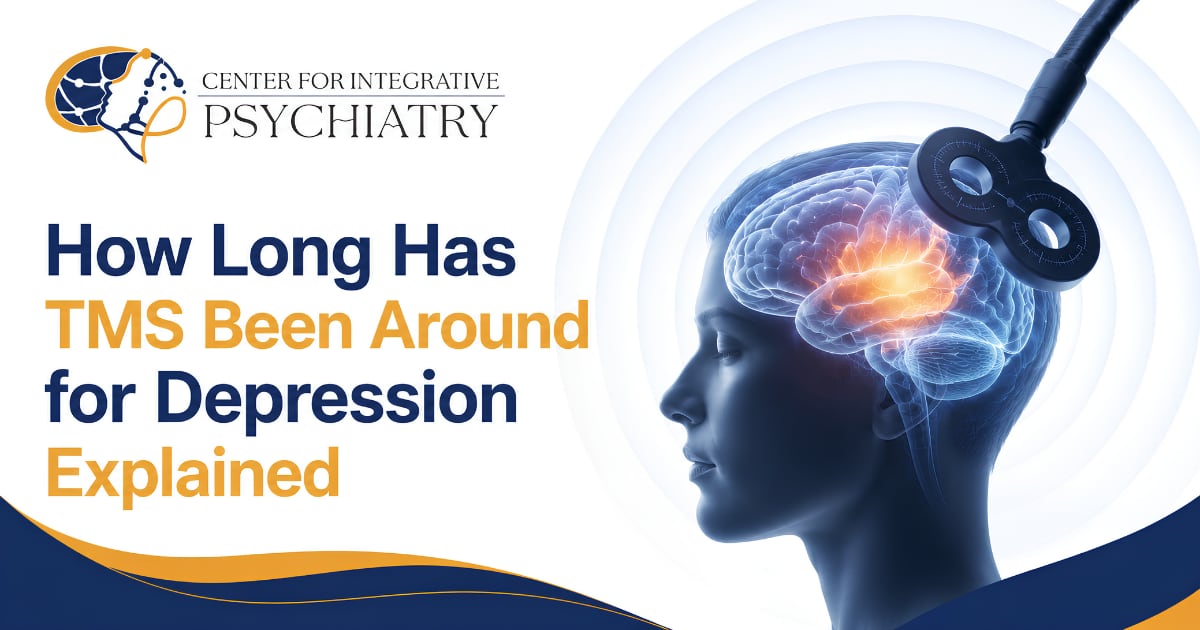
TMS stands for Transcranial Magnetic Stimulation, a non-invasive treatment that uses magnetic fields to stimulate nerve cells in the brain. TMS has been FDA-approved for treating depression since 2008 and has more recently been approved for treating OCD. The therapy focuses on areas of the brain responsible for mood regulation and compulsive behaviors, providing a novel way to manage mental health conditions.
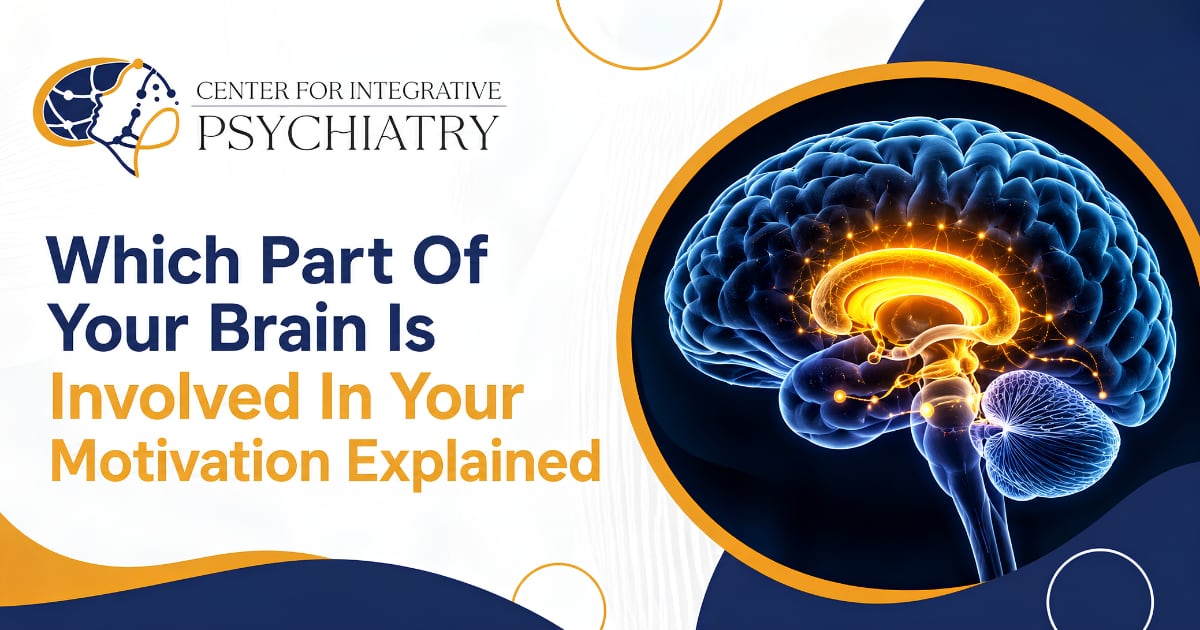
TMS works by targeting the prefrontal cortex and other brain regions that are overactive in people with OCD. By stimulating these areas, TMS therapy for OCD helps reduce symptoms such as intrusive thoughts and repetitive behaviors.
Key Benefits of TMS for OCD:
- Non-invasive and does not require anesthesia
- No significant systemic side effects like those associated with medications
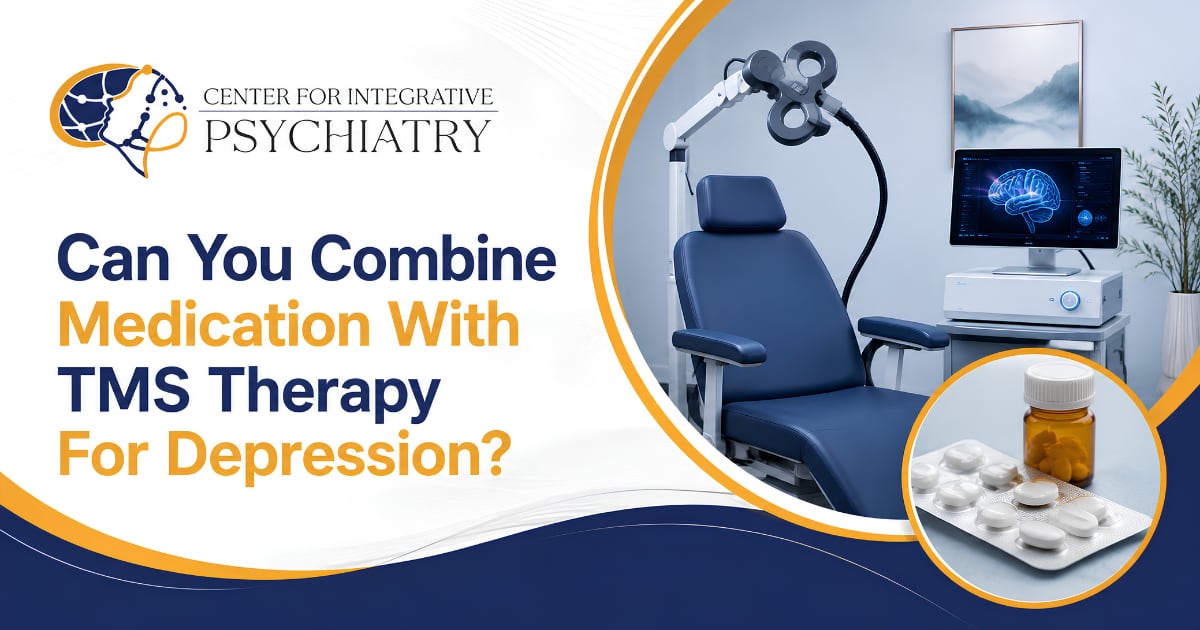
- Can be used alongside other therapies, including medication and CBT
How Does TMS Therapy for OCD Work?
TMS therapy for OCD works by delivering magnetic pulses to specific areas of the brain that are implicated in OCD. These pulses help to reset brain activity patterns, leading to reduced OCD symptoms. For patients who haven’t responded well to medication or therapy alone, TMS treatment for OCD can be an excellent complementary therapy.
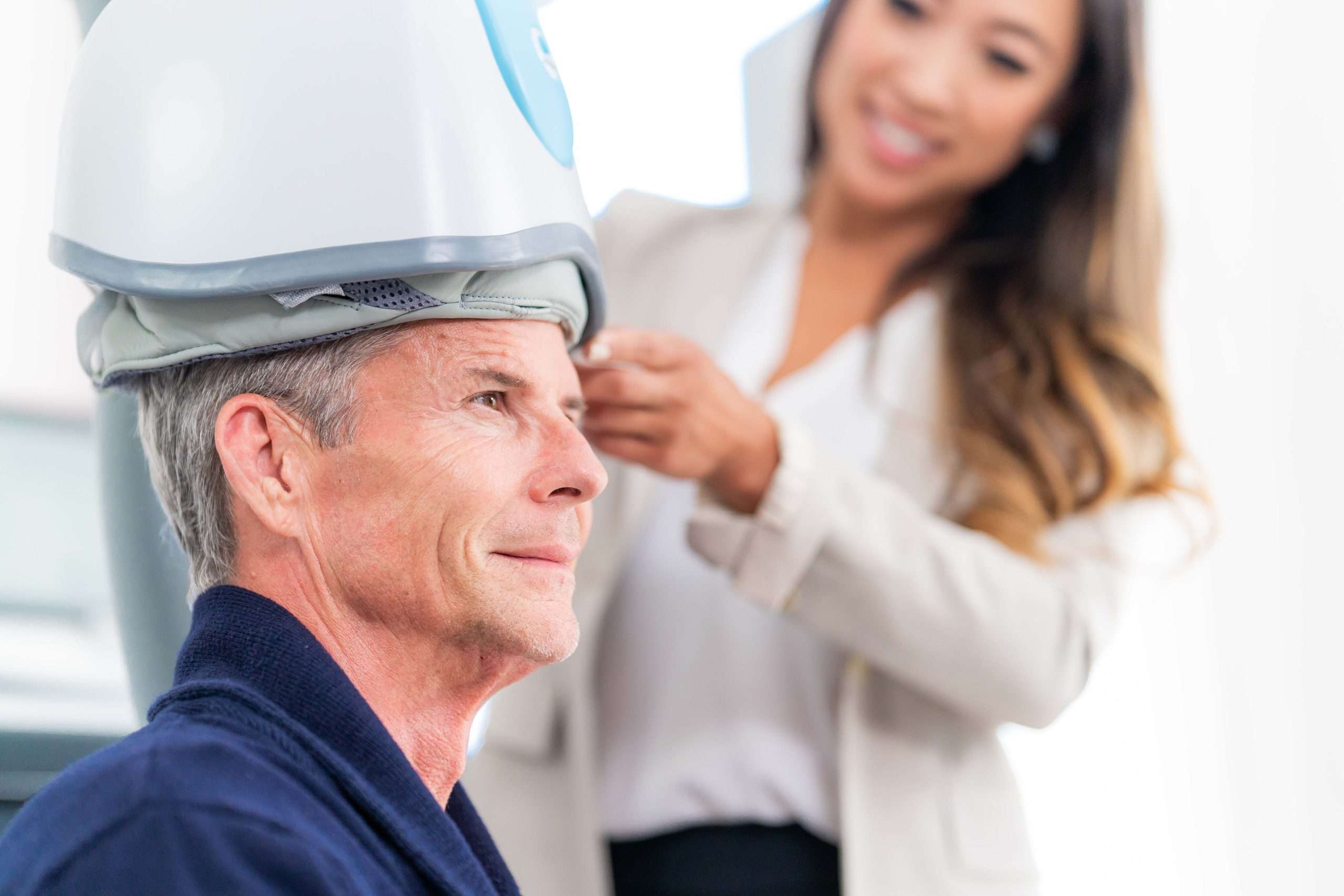
A typical session lasts about 30 to 40 minutes, during which the patient is seated comfortably while a magnetic coil is placed near the scalp. The machine delivers precise magnetic pulses to stimulate the targeted brain regions. Unlike other treatments, TMS requires no downtime, allowing patients to return to their daily activities immediately after a session.
TMS and OCD: How Effective Is It?
The effectiveness of TMS and OCD treatments varies from patient to patient, but clinical studies show promising results. Many patients experience a reduction in both the frequency and severity of their OCD symptoms after completing a course of TMS treatment for OCD. Most people undergo a series of sessions over several weeks, typically five sessions per week for four to six weeks.
TMS Before and After: What Can You Expect?
Before starting TMS therapy, patients often struggle with intrusive thoughts and compulsions that disrupt their daily lives. Many have tried medications and therapy with limited success. TMS before and after results can be dramatic, with many patients reporting significant improvements in their symptoms after completing treatment.
While some patients notice positive changes within the first few sessions, others may require the full treatment course before they experience relief. In some cases, patients may continue to see improvements in the weeks following their final session.
TMS for OCD Reviews: Patient Perspectives
TMS for OCD reviews from patients are generally positive, with many noting a noticeable reduction in their symptoms. Here’s what patients commonly report:
- Symptom reduction: Many patients experience fewer compulsive behaviors and intrusive thoughts after TMS.
- Improved quality of life: With fewer OCD symptoms, patients often find they can engage in daily activities more freely.
- Minimal side effects: Unlike medications that can cause fatigue, weight gain, or sexual dysfunction, TMS has few side effects, making it an attractive option for those looking to avoid medication-related issues.
Some patients report mild side effects such as headache or scalp discomfort during or after the procedure, but these are generally short-lived.
How Much Does TMS Cost?
One of the most common questions surrounding TMS therapy is, how much does TMS cost? The price can vary depending on several factors, including location, the clinic, and whether or not insurance covers the treatment.
On average, the cost of a full course of TMS treatment for OCD ranges from $6,000 to $12,000. While this may seem high, many insurance companies now cover TMS for OCD, particularly when it has been proven that traditional therapies have not worked. It is always advisable to check with your insurance provider for specific coverage details.
Who Can Benefit from TMS Psychiatry?
TMS psychiatry is ideal for patients with treatment-resistant OCD who have not found relief through traditional treatments like medication or therapy. It’s also a good option for individuals who experience significant side effects from psychiatric medications or those looking for a non-invasive, drug-free treatment option.
Who Should Avoid TMS Therapy?
While TMS therapy is safe for most individuals, there are some contraindications. Patients with metal implants in or near the head, such as aneurysm clips, pacemakers, or cochlear implants, should not undergo TMS due to the magnetic fields used during the treatment. A thorough consultation with a qualified healthcare provider can determine if TMS is appropriate for you.
Best TMS Therapy for OCD: Finding the Right Provider
Choosing the best TMS therapy provider is critical for achieving the best outcomes. Look for a clinic with experienced professionals who specialize in TMS psychiatry and have a strong track record of treating OCD patients. The Center for Integrative Psychiatry™ offers specialized TMS therapy with a focus on patient care, ensuring that each session is tailored to your unique needs.
Conclusion
TMS for OCD is a breakthrough therapy that offers hope to individuals who have struggled with obsessive-compulsive disorder despite trying traditional treatments. By targeting specific areas of the brain, TMS therapy helps reduce OCD symptoms and improves the quality of life for many patients.
If you’re interested in learning more about TMS therapy or exploring whether it’s the right option for you, contact the Center for Integrative Psychiatry™ today.
Contact Us
For more information or to schedule a consultation regarding TMS therapy for OCD, contact us today at 1-877-283-5336 the Center for Integrative Psychiatry™. Our team is dedicated to providing comprehensive care and helping you on your journey toward better mental health.
Medical Disclaimer
The content provided in this article is for informational purposes only and is not intended as medical advice. Always consult with our licensed psychiatrists and professionals for mental health advice before starting any new treatment, including TMS therapy.
FAQs
1. What is TMS for OCD?
TMS for OCD is a non-invasive therapy that uses magnetic fields to stimulate brain areas linked to OCD symptoms, helping to reduce compulsions and intrusive thoughts.
2. How effective is TMS for OCD?
Studies show that TMS therapy for OCD can significantly reduce symptoms in many patients, particularly those with treatment-resistant OCD.
3. Are there any side effects to TMS?
The most common side effects are mild headaches or scalp discomfort, but these are usually temporary and resolve shortly after treatment.
4. How much does TMS therapy cost?
The cost of TMS therapy ranges from $6,000 to $12,000 for a full treatment course, though insurance may cover part or all of the expenses.
5. Can TMS treat conditions other than OCD?
Yes, TMS psychiatry is also used to treat major depressive disorder and is being explored for other mental health conditions, including anxiety.
This article is for education and general information. It isn't a substitute for individual medical advice, diagnosis, or treatment from a qualified clinician.
Webmaster
Articles on this blog are educational resources from the Center for Integrative Psychiatry, a multidisciplinary clinic offering evidence-based psychiatry, therapy, TMS, and integrative care for Texans since 2015. They are not medical advice — always talk with your own clinician about your care.
Meet the CIP team