Obsessive-Compulsive Disorder (OCD) is a mental health condition that affects millions of people worldwide. Traditional treatments, such as Cognitive Behavioral Therapy (CBT) and medications, work for many, but some individuals don’t experience sufficient relief. For those struggling with treatment-resistant OCD, TMS treatment for OCD may offer an alternative solution.
Transcranial Magnetic Stimulation (TMS) is a non-invasive procedure that uses magnetic fields to stimulate nerve cells in the brain, helping to reduce the symptoms of OCD. This advanced therapy is gaining attention for its effectiveness, safety, and minimal side effects. If you’re considering this treatment, read on to learn what TMS is, how it works, and whether it’s right for you.
What Is TMS Treatment for OCD?
TMS treatment for OCD involves using magnetic pulses to target specific areas of the brain associated with obsessive-compulsive behavior. This treatment is based on the idea that OCD involves abnormal activity in certain brain circuits, particularly in the prefrontal cortex. By stimulating these areas, TMS can help restore normal brain function and reduce the intensity of obsessive thoughts and compulsive behaviors.
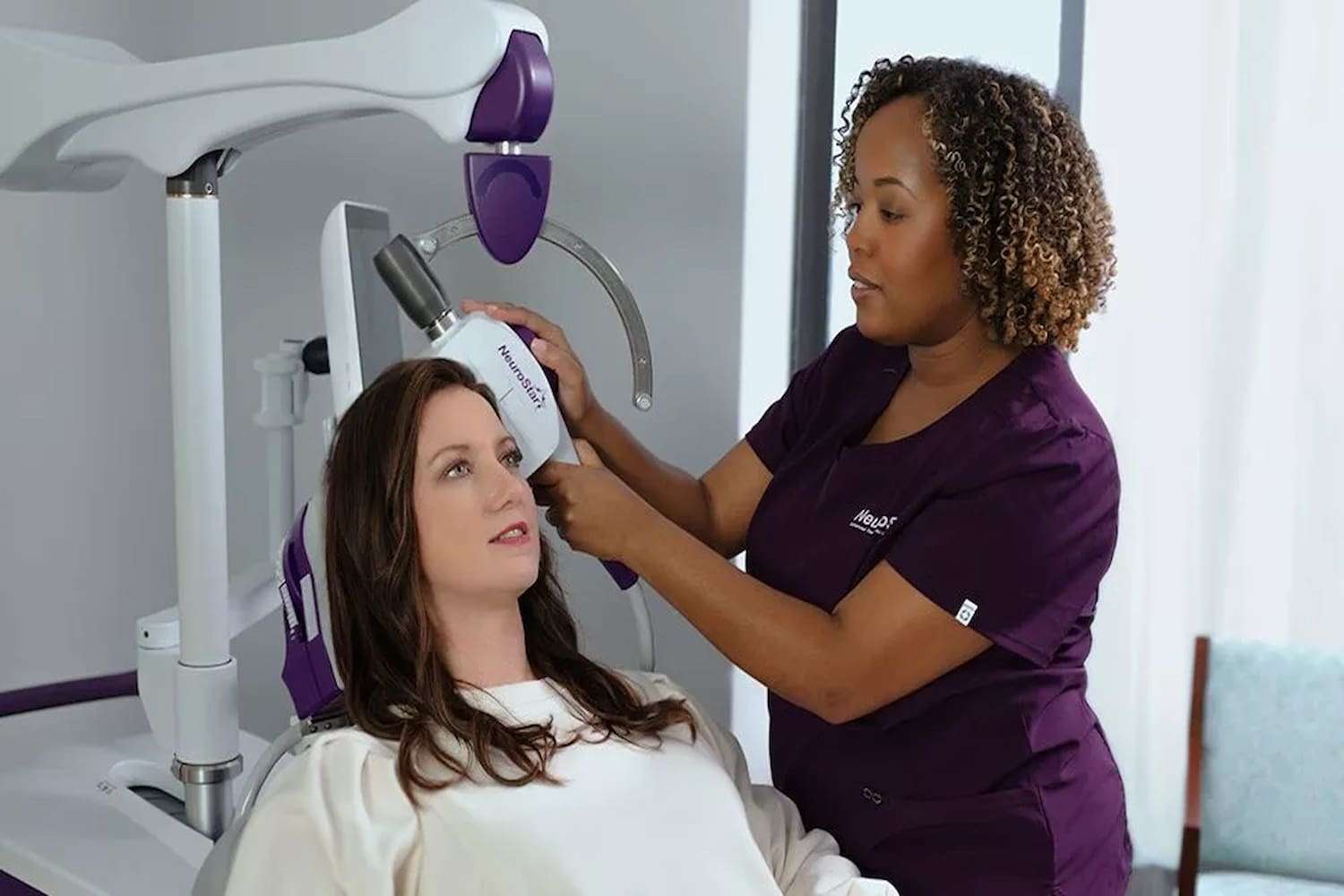
TMS is delivered in a series of sessions at a TMS center, where patient sit comfortably while a coil device is placed near their head to deliver the magnetic pulses. Each session typically lasts around 30-60 minutes, and patients can resume their regular activities immediately afterward.
How Does TMS Work for OCD?
The mechanism behind TMS for OCD lies in its ability to modulate brain activity. The magnetic pulses stimulate neurons in the brain’s prefrontal cortex, which is involved in regulating mood, anxiety, and decision-making. By influencing this region, TMS can help “reset” faulty brain circuits that contribute to OCD symptoms.
Some benefits of TMS treatment for OCD include:
- Non-Invasive: Unlike surgical treatments or deep brain stimulation, TMS does not require any incisions or implants.
- Minimal Side Effects: TMS treatment has relatively few side effects, with the most common being mild headaches or scalp discomfort.
- FDA-Approved: In 2018, the FDA approved TMS for the treatment of OCD, offering patients a new, validated option for managing their symptoms.
TMS Treatment Cost: What You Need to Know
One of the major considerations for those exploring TMS treatment for OCD is the cost. The TMS treatment cost can vary based on factors such as location, the number of sessions required, and whether your insurance covers it.
- Average Cost: The typical range for a full course of TMS treatment is between $5,000 and $12,000, depending on the severity of the condition and how many sessions are needed.
- Insurance Coverage: Many insurance providers are starting to cover TMS for treatment-resistant OCD and depression, but it’s important to check with your provider about your specific plan.
- Payment Options: Some TMS centers offer payment plans or financing options to make the treatment more accessible.
While the cost may seem high, the potential benefits for individuals who haven’t responded to other forms of therapy can make TMS a valuable investment in long-term mental health.
Finding the Best TMS Center
When seeking TMS treatment for OCD, it’s crucial to find the best TMS center that offers high-quality care, experienced staff, and a track record of success. Here are some factors to consider when choosing a TMS center:
- Certification and Accreditation: Ensure the facility is certified and has staff trained specifically in TMS therapy. An advanced TMS center will have clinicians who specialize in treating OCD and other mental health conditions.
- Experience and Success Rates: Look for a center with a proven track record in treating OCD and related disorders like depression and PTSD. Reading patient reviews and testimonials can help you find a reputable center.
- Personalized Care Plans: The best TMS centers offer personalized care tailored to your specific needs. They should provide a thorough assessment to determine if TMS is right for you and design a treatment plan that meets your individual requirements.
By choosing a trusted and advanced TMS center, you increase your chances of achieving positive outcomes from the treatment.
TMS Depression Treatment Near Me: Can It Help with Other Conditions?
While TMS is well-known for treating OCD, it is also widely used for other mental health conditions, including depression and PTSD. If you’re searching for “TMS depression treatment near me,” you’ll be pleased to know that many centers offer TMS for multiple disorders.
Here’s how TMS works for depression:
- Mood Regulation: Just as it targets specific brain circuits for OCD, TMS can modulate areas of the brain responsible for mood regulation in individuals with depression.
- Treatment-Resistant Cases: TMS is particularly effective for people with treatment-resistant depression, meaning they haven’t found relief through traditional antidepressant medications.
- Minimal Downtime: Like with OCD treatment, there’s no recovery time needed after TMS sessions, making it a convenient option for busy individuals.
TMS has proven to be an effective option for managing multiple mental health conditions, including OCD, depression, and PTSD. Many TMS centers now offer comprehensive care for these conditions, helping patients achieve long-term improvements in their mental health.
TMS Treatment for PTSD and Other Disorders
In addition to OCD and depression, TMS treatment for PTSD is gaining popularity as a non-invasive option for individuals who have not found relief through conventional therapies. PTSD is often characterized by overactivity in areas of the brain responsible for fear and stress responses. TMS helps regulate this brain activity, offering relief from PTSD symptoms such as flashbacks, anxiety, and hyperarousal.
If you or a loved one is struggling with PTSD, many TMS centers provide treatment options tailored to this condition, often in combination with therapy or medication.
Who Is a Good Candidate for TMS?
Not everyone is an ideal candidate for TMS treatment for OCD, but many individuals with treatment-resistant OCD or depression may benefit. Here’s who may be a good fit for this therapy:
- Treatment-Resistant Patients: If you’ve tried multiple medications and therapies without success, TMS could offer an alternative that may finally bring relief.
- Non-Responders to Medication: Some people are sensitive to medication side effects or simply don’t respond to traditional antidepressants. TMS provides a drug-free treatment option.
- Minimal Side Effects: If you’re looking for a treatment with minimal side effects compared to medications or more invasive procedures, TMS is a safe alternative.
Your doctor can help determine if TMS is right for you based on your medical history, the severity of your condition, and any previous treatments you’ve tried.
Conclusion: Is TMS Treatment Right for You?
For those struggling with treatment-resistant OCD, TMS treatment for OCD offers a promising alternative to traditional therapies. With minimal side effects, non-invasiveness, and FDA approval, TMS is becoming a popular choice for individuals seeking relief from OCD, depression, and PTSD.
By finding the best TMS center and working with experienced professionals, you can explore whether this advanced treatment is the right step for your mental health journey.
Contact Us
Interested in learning more about TMS treatment for OCD? Contact the Center for Integrative Psychiatry™ today at 1-877-283-5336 to speak with our specialists and see if TMS is right for you.
Medical Disclaimer
This article is for informational purposes only and does not constitute medical advice. Always consult with a healthcare provider before starting any new treatment.
Frequently Asked Questions (FAQ)
Q1: How much does TMS treatment cost?
ANS: The TMS treatment cost can range from $5,000 to $12,000 depending on factors like the number of sessions required and insurance coverage.
Q2: Can TMS treat conditions other than OCD?
ANS: Yes, TMS is also effective for treating conditions like depression and PTSD. Many TMS centers offer treatment for multiple mental health disorders.
Q3: What are the side effects of TMS treatment?
ANS: The most common side effects include mild headaches and scalp discomfort. TMS is generally well-tolerated with few serious side effects.
Q4: How do I find the best TMS center?
ANS: Look for a TMS center that is certified, has experienced clinicians, and offers personalized care. Reading patient reviews can also help you choose the right facility.
This article is for education and general information. It isn't a substitute for individual medical advice, diagnosis, or treatment from a qualified clinician.
Webmaster
Articles on this blog are educational resources from the Center for Integrative Psychiatry, a multidisciplinary clinic offering evidence-based psychiatry, therapy, TMS, and integrative care for Texans since 2015. They are not medical advice — always talk with your own clinician about your care.
Meet the CIP team