If you’re struggling with depression, anxiety, or other mental health conditions, you may be searching for the best TMS therapy to find relief. Transcranial Magnetic Stimulation (TMS) is non-invasive, FDA-apptreatments roved treatment that has shown significant improvement in symptoms. But when does TMS start working, and how many are needed to feel better?
Understanding TMS Therapy
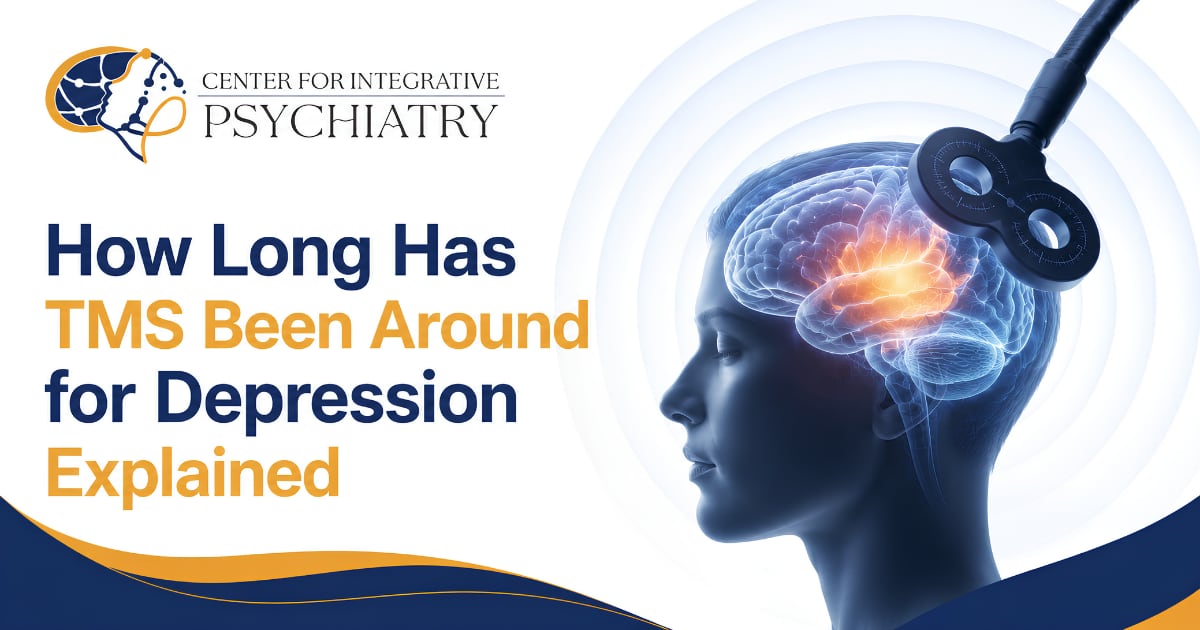
TMS therapy uses magnetic fields to stimulate brain cells, increasing activity in areas responsible for mood regulation. This innovative treatment is ideal for those who have not responded to traditional medication or therapy. TMS therapy has been shown to be effective in treating:
- Major Depressive Disorder (MDD)
- Treatment-Resistant Depression (TRD)
- Anxiety Disorders
- Post-Traumatic Stress Disorder (PTSD)
- Obsessive-Compulsive Disorder (OCD)
When Does TMS Start Working?
TMS therapy typically takes 4-6 weeks to start showing noticeable results. However, some patients may experience improvements in symptoms as early as 2 weeks into treatment. It’s essential to remember that everyone’s response to TMS is unique, and the duration of treatment may vary.
How Many TMS Treatments Are Needed?
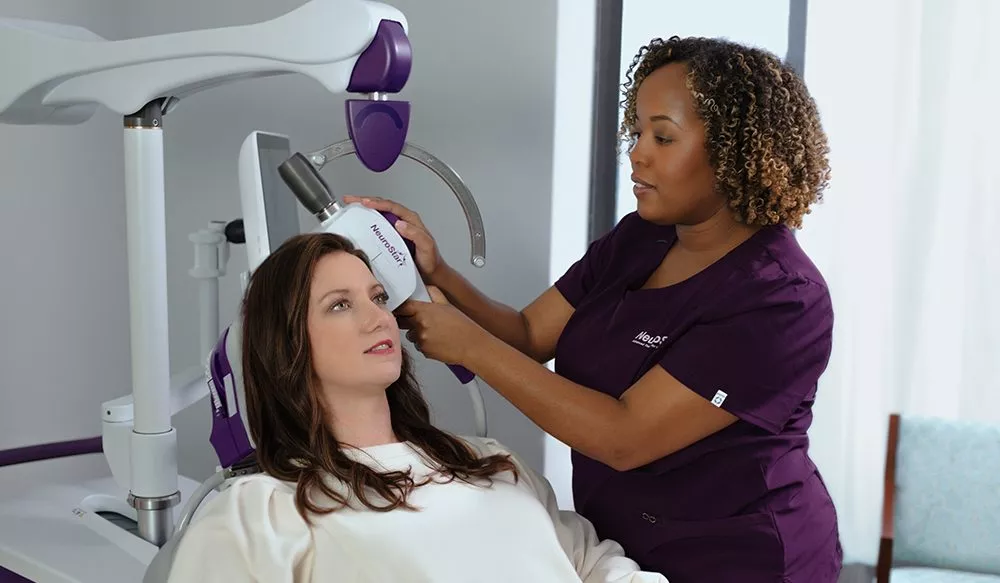
A standard TMS treatment course consists of 20-30 sessions, with each session lasting around 20-40 minutes. However, some patients may require additional sessions to achieve optimal results. Factors that may influence the number of treatments needed include:
- Severity of symptoms
- Duration of mental health conditions
- Response to previous treatments
How Many TMS Treatments to Feel Better?
Most patients start feeling better after 10-15 TMS sessions. However, it’s crucial to complete the full treatment course to ensure long-term benefits. Some patients may experience a significant reduction in symptoms, while others may need additional sessions to achieve desired results.
How Long for TMS to Work?
TMS therapy can produce long-term results, with some patients experiencing sustained improvement for up to 12 months after treatment. To maintain optimal results, some patients may require maintenance sessions, typically spaced 1-3 months apart.
Accelerated TMS Therapy Near Me
Accelerated TMS therapy is an intensive treatment program that condenses the traditional 4-6 week course into just 5-10 days. This option is ideal for those with busy schedules or who need rapid relief from symptoms. Accelerated TMS therapy has been shown to be effective in reducing symptoms of depression and anxiety, with some patients experiencing significant improvement in just a few days.
What to Expect from TMS Therapy
Before starting TMS therapy, it’s essential to understand what to expect. Here are some frequently asked questions:
- Is TMS therapy painful? No, TMS therapy is a non-invasive treatment with minimal discomfort.
- Are there any side effects? Common side effects include headache, scalp discomfort, and fatigue, which usually resolve on their own.
- Is TMS therapy covered by insurance? Many insurance providers cover TMS therapy, but it’s essential to check with your provider.
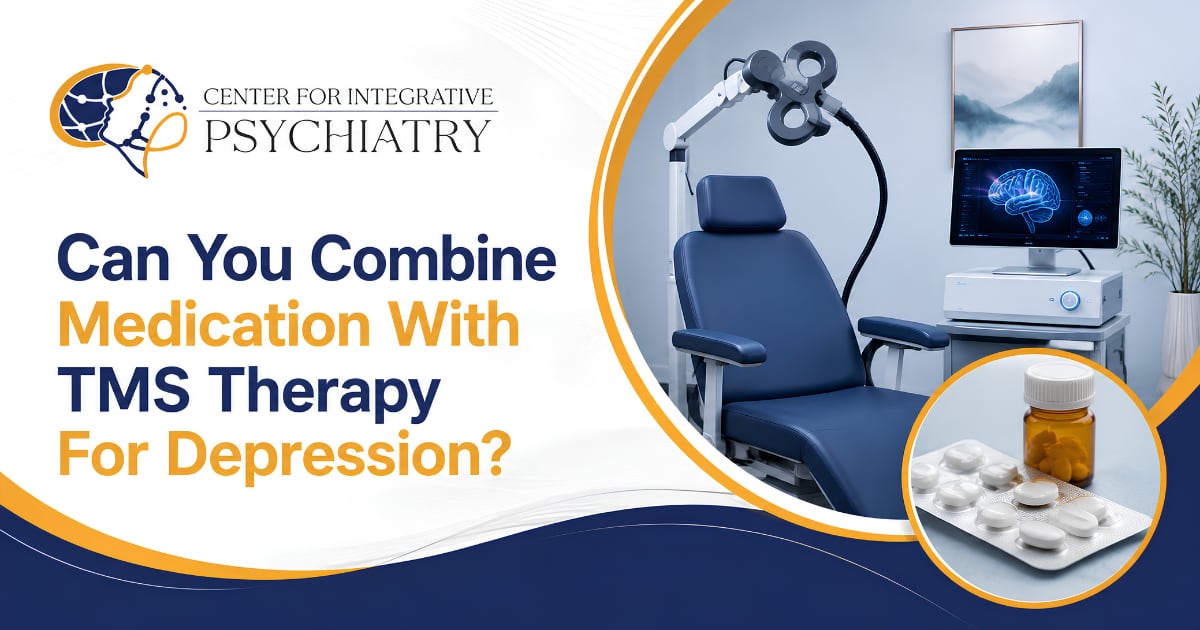
- Can I continue medication during TMS therapy? Yes, TMS therapy can be used in conjunction with medication, but it’s crucial to consult with your healthcare provider.
TMS Therapy vs. Other Treatments
TMS therapy offers several advantages over traditional treatments:
- Non-invasive: TMS therapy does not require surgery or implantation of devices.
- No systemic side effects: TMS therapy only affects the targeted brain area, reducing the risk of systemic side effects.
- Customizable: TMS therapy can be tailored to individual needs and response.
Benefits of TMS Therapy
- Non-Invasive: No surgery or anesthesia required.
- Minimal Side Effects: Most patients experience only mild headaches or scalp discomfort.
- Convenient: Sessions are quick, and there’s no downtime.
- Effective: Proven success for individuals with treatment-resistant mental health conditions.
Cost and Insurance Coverage
TMS therapy costs vary depending on the provider and location. Many insurance plans cover TMS therapy for depression, but it’s essential to confirm with your insurance provider. Out-of-pocket costs can also be discussed with the center you choose.
Conclusion
Finding the best TMS therapy near you can be a game-changer for those struggling with mental health conditions. Understanding the duration and results of TMS therapy can help you make an informed decision about this innovative treatment. Remember to consult with a qualified healthcare professional to determine if TMS therapy is right for you.
Medical Disclaimer
This article is for informational purposes only and should not be considered medical advice. Consult with a qualified healthcare professional for personalized guidance on TMS therapy.
Contact Us
If you’re ready to find relief from depression and anxiety, contact the Center For Integrative Psychiatry at 1-877-283-5336 to learn more about our TMS therapy programs. Our experienced team is dedicated to helping you achieve optimal mental health.
FAQs
1. How can I find the best TMS therapy center near me?
To find the best TMS therapy center near you, research providers with experienced clinicians, positive patient reviews, and FDA-approved equipment. Check for centers offering personalized consultations to ensure the treatment fits your needs. Online directories or referrals from healthcare professionals can also help you make an informed choice.
2. How long does a typical TMS therapy session last?
A standard TMS therapy session typically lasts between 20 to 40 minutes. Sessions are non-invasive, and you can return to your daily activities immediately afterward, making it a convenient treatment option.
3. How many TMS sessions are needed for effective results?
Most patients require about 20 to 30 sessions, scheduled over 4 to 6 weeks. The exact number may vary based on individual needs and the condition being treated, but this consistency is key to achieving the best results.
4. What results can I expect from TMS therapy?
TMS therapy has shown significant success in reducing symptoms of depression and other conditions. Many patients report noticeable improvements within 2 to 4 weeks of starting treatment. However, results can vary depending on the individual and their specific condition.
5. Are TMS therapy results permanent, or will I need follow-up sessions?
While TMS therapy provides lasting relief for many patients, some may need maintenance sessions depending on their condition. Periodic follow-ups can help sustain results and manage symptoms effectively over time.
This article is for education and general information. It isn't a substitute for individual medical advice, diagnosis, or treatment from a qualified clinician.
Webmaster
Articles on this blog are educational resources from the Center for Integrative Psychiatry, a multidisciplinary clinic offering evidence-based psychiatry, therapy, TMS, and integrative care for Texans since 2015. They are not medical advice — always talk with your own clinician about your care.
Meet the CIP team