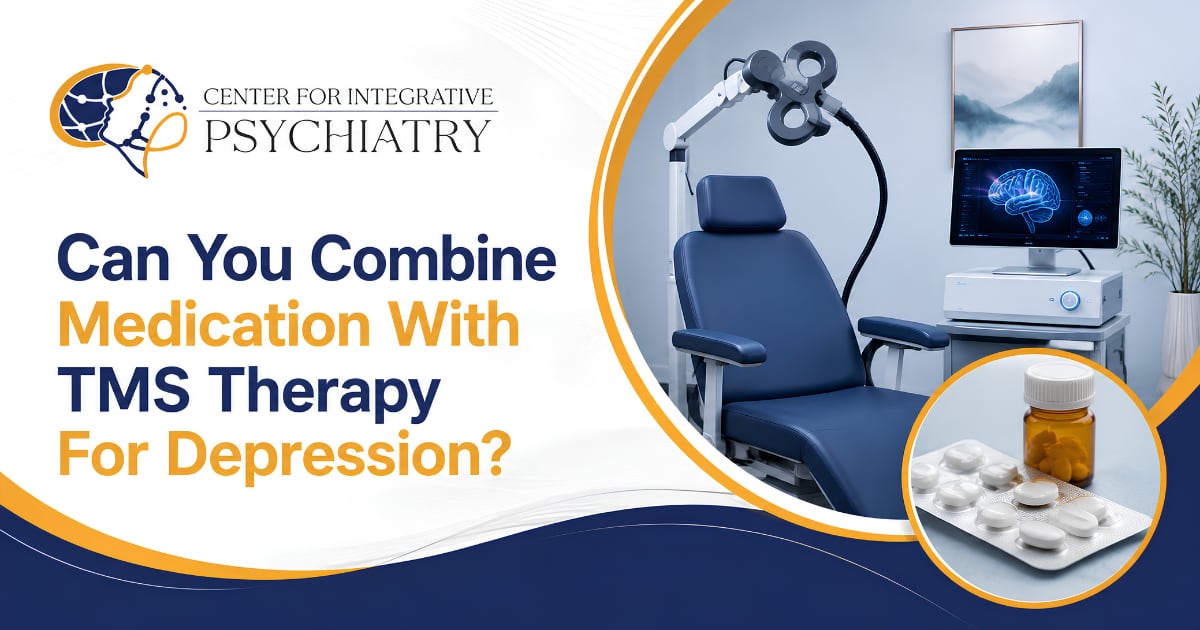
Managing treatment-resistant depression often requires exploring advanced medical solutions. Many individuals ask if combining medication with TMS therapy offers better results. The short answer is yes, because these two treatments can work together safely. Have you wondered how combining medication with TMS therapy can accelerate your recovery?
At Texas CIP, we specialize in providing integrated care to help individuals recover from major Depression, Treatment-Resistant Depression, Anxiety Disorders, OCD, PTSD, Bipolar Disorder, ADHD, Schizophrenia and Psychosis, and Grief and Loss. Our comprehensive care services include TMS (Transcranial Magnetic Stimulation), Medication Management, Mental Health Therapy, Functional Psychiatry, Nutritional Psychiatry, Naturopathy, Life Coaching, and virtual Telehealth options. By pairing clinical innovation with whole-person wellness, our psychiatric team creates tailored pathways that promote long-term cognitive stability and emotional balance.
Understanding The Science Behind Combining Medication With TMS Therapy
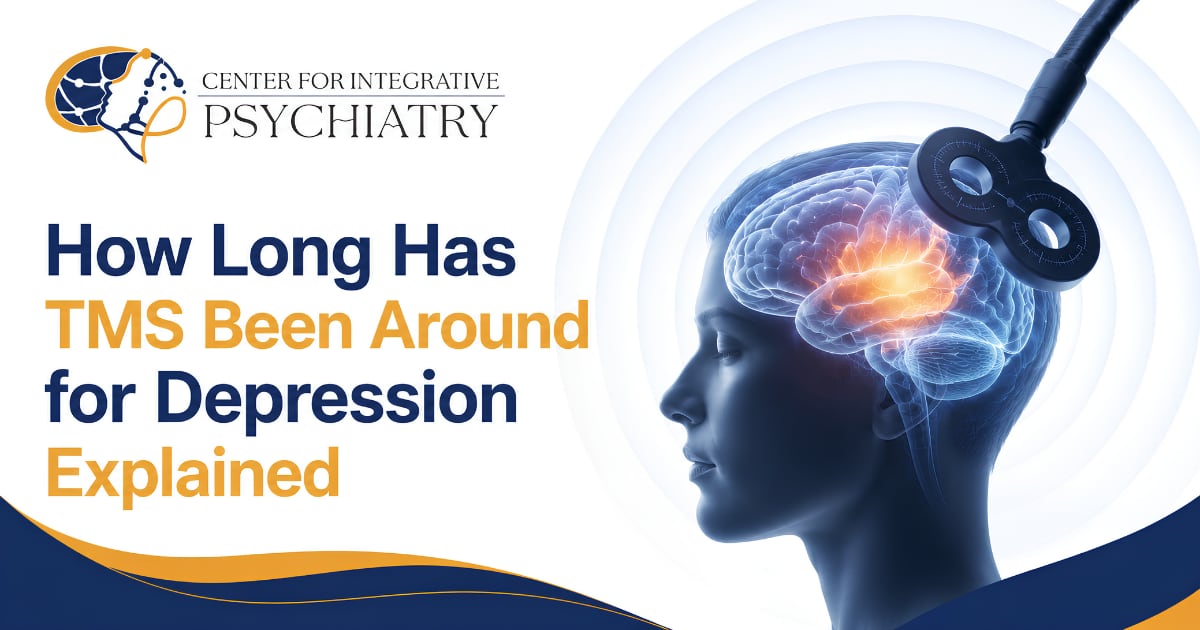
Combining medication with TMS therapy represents a dual-action approach to mental health care. Pharmacotherapy works biochemically by adjusting neurotransmitter activity across the central nervous system. In contrast, transcranial magnetic stimulation uses targeted magnetic pulses to stimulate underactive neurons in specific cortical regions, such as the dorsolateral prefrontal cortex.
When these two modalities interact, they engage different pathways to achieve a shared therapeutic goal. Medications help maintain baseline neurochemical balance, while magnetic pulses encourage synaptic plasticity and structural reorganization in the brain. This synergistic mechanism allows patients to experience enhanced clinical progress without disrupting their ongoing biological treatments.
Before initiating care, psychiatric specialists review your full medical history to ensure safety and compatibility. Supporting clinical evidence indicates that using these therapies concurrently is not only safe, but often yields faster symptom reduction than relying on a single method:
- Complementary Biological Mechanisms: Antidepressants alter systemic chemical signaling while TMS directly targets specific neural circuits responsible for mood regulation.
- Enhanced Neural Plasticity: Magnetic stimulation increases neuroplasticity, allowing the brain to utilize prescribed psychiatric medications more efficiently.
- Targeted Mood Stabilization: Patients struggling with severe depressive episodes often experience quicker stabilization when direct brain stimulation supports pharmacological support.
Key Benefits Of A Medication TMS Combination For Depression
Utilizing a medication TMS combination offers distinct advantages for individuals who have experienced limited success with traditional antidepressants alone. Many patients find that monotherapy leaves lingering symptoms or requires high drug dosages that cause uncomfortable side effects.
Combining non-invasive brain stimulation with carefully managed psychiatric prescriptions can enhance treatment efficacy. This combined strategy helps bridge the gap between systemic chemical balance and localized neural recovery.
The following list outlines the primary clinical advantages of combining these two proven modalities:
- Higher Remission Rates: Research shows that patients receiving concurrent brain stimulation alongside antidepressant medication achieve higher rates of response and remission.
- Potential For Reduced Medication Doses: As neural circuits regain normal function through stimulation, clinicians may gradually optimize or lower drug dosages to reduce unwanted side effects.
- Broader Symptom Relief: While antidepressants target general mood regulation, magnetic pulses address specific executive deficits like brain fog, low motivation, and poor focus.
- Continuous Chemical Support: Medications provide ongoing baseline stabilization between daily brain stimulation sessions.
How Doctors Create Personalized TMS Treatment Plans
Every individual experiences depressive disorders differently, which is why standardized treatment approaches often fall short. At Texas CIP, our medical team develops personalized tms treatment plans tailored to your specific neurobiological profile, symptom severity, and treatment history.
During initial evaluations, clinicians analyze your response to past psychiatric medications, existing medical conditions, and current mental health goals. This thorough assessment ensures that brain stimulation parameters align precisely with your ongoing pharmacological support.
Throughout the course of treatment, continuous monitoring allows medical providers to make timely tms therapy adjustments. This adaptive strategy ensures optimal therapeutic outcomes:
- Comprehensive Diagnostic Mapping: Assessing individual brain geography and psychiatric history to determine accurate coil placement and motor threshold levels.
- Ongoing Dosage Titration: Monitoring prescription responses continuously to adjust medication levels as brain stimulation begins to take effect.
- Regular Symptom Tracking: Utilizing standardized psychiatric rating scales to evaluate weekly progress and refine overall care strategies.
- Side Effect Management: Addressing minor side effects such as mild scalp sensitivity or mild headaches early in the treatment cycle.
Integrated Psychiatric And TMS Therapy Approaches For Better Healing
Achieving lasting wellness requires looking beyond single-treatment solutions. Integrated psychiatric and tms therapy approaches bring together biological treatments, psychological support, and functional medicine to address all dimensions of mental health.
At Texas CIP, we combine clinical neuroscience with holistic care strategies. Pairing brain stimulation with specialized services like Functional Psychiatry, Nutritional Psychiatry, and Naturopathy helps address root biological stressors such as systemic inflammation, metabolic dysfunction, and nutritional deficiencies.
Additionally, integrating TMS with counseling ensures that structural changes in the brain are matched by psychological growth and healthier emotional habits:
- Psychotherapeutic Support: Engaging in Cognitive Behavioral Therapy (CBT) or psychodynamic counseling helps patients develop positive coping strategies while their brain chemistry improves.
- Nutritional Optimization: Assessing gut-brain health and correcting nutrient deficiencies to support natural neurotransmitter synthesis during care.
- Stress Management Guidance: Utilizing mindfulness tools and Naturopathy routines to lower cortisol levels and support central nervous system recovery.
- Telehealth Accessibility: Offering flexible virtual check-ins so patients can maintain consistent contact with their therapy and medication teams.
TMS Post-Treatment Support And Maintaining Mental Health After TMS
Completing an acute course of brain stimulation is a major milestone, but long-term wellness requires consistent post-treatment care. Robust tms post-treatment support ensures that the cognitive and emotional gains achieved during therapy remain stable over time. Understanding what happens after TMS therapy can help patients prepare for ongoing maintenance and support.
Maintaining mental health after TMS involves establishing healthy lifestyle routines, continuing necessary psychiatric prescriptions, and scheduling periodic wellness check-ins. Patients who engage in proactive maintenance care show lower relapse rates and stronger long-term resilience against future depressive episodes.
A comprehensive post-treatment care framework includes several key maintenance strategies:
- Medication Maintenance Programs: Continuing optimized, low-dose psychiatric prescriptions as recommended by your clinical team to preserve neurochemical balance.
- Relapse Prevention Planning: Identifying early warning signs of mood changes and establishing rapid-intervention protocols with your mental health care team.
- Maintenance Stimulation Sessions: Utilizing occasional booster brain stimulation sessions if symptoms begin to reemerge over time.
- Holistic Lifestyle Coaching: Working with life coaches to build healthy sleep hygiene, physical exercise routines, and structured daily habits that sustain mental drive.
Final Thoughts
Understanding the safety and effectiveness of combining medication with tms therapy empowers individuals to take control of their mental health journey. By uniting targeted brain stimulation with precise pharmacological support and psychotherapy, patients can achieve deeper healing and long-term mood stability.
At Texas CIP, our team is dedicated to providing compassionate, evidence-based care tailored to your unique needs. If you or a loved one is struggling with treatment-resistant depression, contact Texas CIP today to learn how our personalized TMS, psychiatric management, and holistic therapies can help you regain your vitality and well-being.
Frequently asked questions
- Who Is An Ideal Candidate For Combining Medication With TMS Therapy?
- An ideal candidate is anyone living with major depression or treatment-resistant depression who has experienced incomplete relief from psychiatric medications alone and seeks a safe, non-invasive treatment combination.
- What Are The Advantages Of A Medication TMS Combination?
- Combining these therapies provides dual-action support by balancing central neurotransmitters while directly stimulating underactive mood-regulating regions in the prefrontal cortex, leading to higher response rates.
- When Are TMS Therapy Adjustments Necessary During Treatment?
- Adjustments occur throughout the treatment cycle if a patient experiences changes in medication dosages, reports mild discomfort, or demonstrates significant clinical progress requiring modified stimulation protocols.
- Where Can You Access Integrated Psychiatric And TMS Therapy Approaches?
- Texas CIP provides comprehensive in-person and virtual care across Texas, offering integrated psychiatric management, brain stimulation, psychotherapy, and functional wellness options.
- Why Is Integrating TMS With Counseling Essential For Long-Term Success?
- Combining brain stimulation with psychotherapy helps patients rewrite negative thought patterns and build healthy coping mechanisms while their brain is in an enhanced state of neuroplasticity.
- How Does Texas CIP Assist With Maintaining Mental Health After TMS?
- Texas CIP provides long-term post-treatment support through personalized medication management, maintenance therapy, functional psychiatry, life coaching, and Telehealth follow-up appointments.
This article is for education and general information. It isn't a substitute for individual medical advice, diagnosis, or treatment from a qualified clinician.
Webmaster
Articles on this blog are educational resources from the Center for Integrative Psychiatry, a multidisciplinary clinic offering evidence-based psychiatry, therapy, TMS, and integrative care for Texans since 2015. They are not medical advice — always talk with your own clinician about your care.
Meet the CIP team