Life can be overwhelming, and stress is something we all experience. However, when stress becomes chronic, it can take a serious toll on our mental and physical well-being. April is Stress Awareness Month, a time dedicated to helping people recognize, manage, and reduce stress for a healthier, happier life.
For Stress Awareness Month 2026, the focus is on Kindness for Mental Wellness, because small acts of kindness, whether toward ourselves or others, can go a long way in reducing stress and fostering emotional well-being.
Why Is Stress Awareness Month Important?
1. Stress Affects Everyone
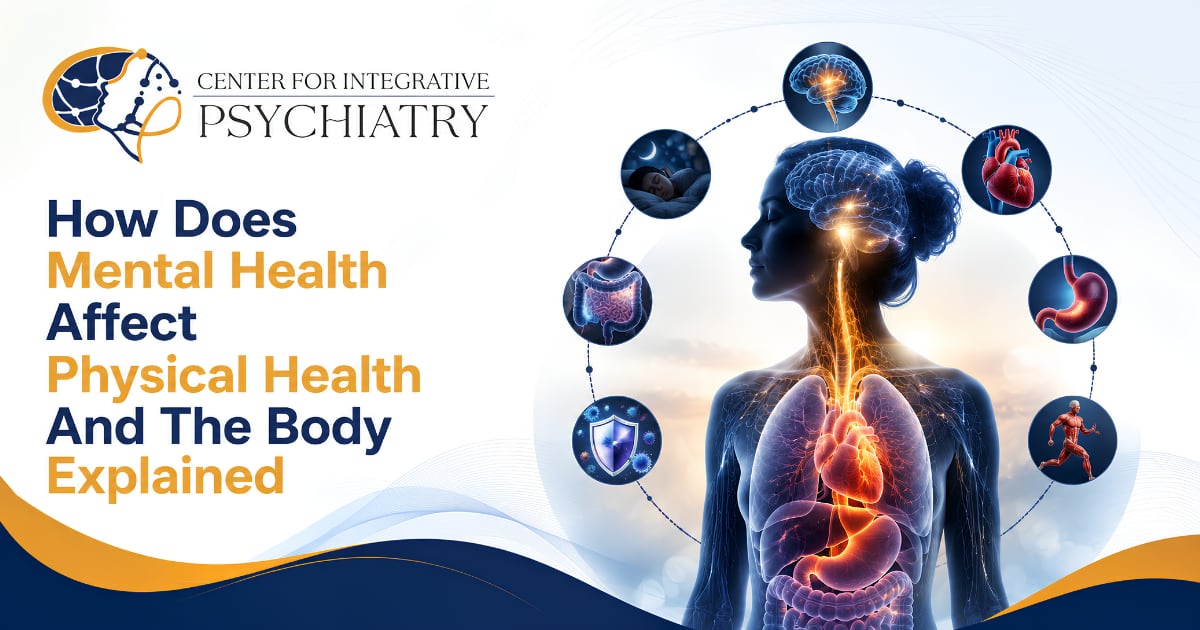
Stress is a part of life, but when it’s left unchecked, it can lead to anxiety, depression, high blood pressure, digestive problems, and even heart disease. National Stress Awareness Month reminds us to pause, reflect, and take steps toward managing stress before it negatively impacts our health.
2. Encouraging Open Conversations
Despite its widespread impact, stress is often ignored or dismissed. National Stress Awareness Day 2026, observed on April 16, encourages open discussions about stress-related struggles and promotes resources for managing it.
3. Providing Practical Stress Management Techniques
Stress Awareness Month provides the perfect opportunity to learn and practice effective stress relief techniques like mindfulness, breathing exercises, self-care habits, and physical activity to improve overall well-being.
Recognizing Stress: Signs You Shouldn’t Ignore
Stress shows up in different ways for different people. Some may feel irritable and anxious, while others might experience physical discomfort. Here are some common symptoms:
Emotional Signs of Stress:
- Feeling overwhelmed, anxious, or moody
- Increased irritability and frustration
- Trouble concentrating or making decisions
Physical Signs of Stress:
- Headaches, muscle tension, or fatigue
- Sleep disturbances or appetite changes
- Digestive issues and rapid heartbeat
Behavioral Signs of Stress:
- Avoiding social interactions
- Procrastination or decreased productivity
- Increased reliance on unhealthy coping mechanisms (overeating, alcohol, etc.)
Recognizing these signs early allows for better stress management and helps prevent long-term health consequences.
Feeling overwhelmed or burnt out? Our experienced psychiatrists and therapists can help you regain balance and peace of mind through personalized care.
How Stress Impacts Long-Term Health
Chronic stress doesn’t just affect your mood, it can have serious long-term health consequences. Prolonged stress contributes to:
- Cardiovascular problems – Increased risk of high blood pressure, heart disease, and stroke.
- Weakened immune system – Making you more prone to infections and illnesses.
- Digestive disorders – Stress can trigger symptoms of IBS (Irritable Bowel Syndrome), acid reflux, and stomach ulcers.
- Mental health challenges – Chronic stress increases the likelihood of anxiety, depression, and burnout.
By recognizing these risks, we can take action to manage stress before it leads to more severe health conditions.
Stress Awareness Month Activities: How You Can Get Involved
Observing Stress Awareness Month 2026 can be simple, fun, and beneficial for your well-being. Here are some ways to participate:
1. Engage in Stress Awareness Week Events
Many organizations and wellness centers host workshops, virtual discussions, and self-care challenges during Stress Awareness Week. These activities provide great opportunities to learn stress management techniques and connect with like-minded individuals.
2. Participate in National Stress Awareness Day 2026
On April 16, take a moment to check in with yourself. Reflect on your stress levels, set intentions for stress reduction, or join an awareness event in your community.
3. Practice Daily Acts of Kindness
Kindness isn’t just about helping others, it’s also about being kind to yourself. Try these simple acts of kindness:
- Offer words of encouragement to someone who may be struggling
- Prioritize self-care by setting aside time for relaxation
- Express gratitude to a friend, family member, or colleague
4. Try Relaxation Techniques
Incorporating relaxation techniques into your daily routine can make a world of difference. Consider:
- Breathing exercises like deep belly breathing
- Mindfulness meditation to reduce stress and improve focus
- Journaling your thoughts to gain clarity and release negative emotions
5. Promote Workplace Stress Awareness
Employers can take part in National Stress Awareness Month by implementing workplace wellness programs. Encourage:
- Mental health check-ins and open conversations
- Flexible work schedules to promote work-life balance
- Office wellness challenges to engage employees in self-care
How to Support a Loved One Struggling with Stress
Supporting someone who is dealing with stress can make a huge difference in their well-being. Here’s how you can help:
- Listen without judgment – Sometimes, just having someone to talk to can ease stress levels.
- Encourage healthy habits – Offer to join them in stress-relieving activities like walking, yoga, or meditation.
- Help with small tasks – Reducing their workload, even slightly, can be incredibly helpful.
- Check-in regularly – A simple message or call can remind them that they’re not alone.
- Suggest professional help if needed – If stress is becoming overwhelming, encourage them to seek support from a therapist or mental health professional.
Managing Stress: Proven Strategies for a Calmer Life
Stress management isn’t about eliminating stress altogether, it’s about building resilience and adopting habits that help you cope better. Here’s how:
1. Move Your Body
- Exercise regularly to release endorphins (feel-good hormones)
- Try yoga or tai chi to promote relaxation
- Spend time outdoors to benefit from fresh air and nature
2. Nourish Your Mind and Body
- Get enough sleep to recharge your mind and body
- Eat a balanced diet rich in whole foods and healthy nutrients
- Drink plenty of water to stay hydrated and energized
3. Set Boundaries and Prioritize Self-Care
- Learn to say no when necessary
- Avoid overcommitting to activities that drain your energy
- Schedule “me time” for activities that bring you joy
Take the Next Step with Center for Integrative Psychiatry™
At Center for Integrative Psychiatry™, we understand that stress can impact your mental health, productivity, and overall well-being. Our expert team provides personalized support and evidence-based treatments to help you manage stress, anxiety, and other mental health challenges.
- Comprehensive stress management plans tailored to your needs
- Mindfulness-based therapy and relaxation techniques
- Expert guidance for long-term emotional well-being
Take control of your stress today! Schedule a consultation today!
Medical Disclaimer
This article is for informational purposes only and does not constitute medical advice. If you are experiencing a mental health crisis, please seek immediate help from a licensed professional or call emergency services. Always consult a qualified healthcare provider before making any decisions regarding your mental health treatment.
Frequently Asked Questions (FAQs)
1. Why is April Stress Awareness Month important?
April is recognized as Stress Awareness Month to help individuals understand the effects of stress, promote healthy coping strategies, and encourage conversations around mental wellness.
2. What are some ways to manage stress effectively?
Effective stress management includes regular exercise, mindfulness meditation, deep breathing techniques, maintaining a balanced diet, and setting healthy boundaries.
3. How can I participate in Stress Awareness Month?
You can take part by joining wellness events, practicing self-care, engaging in stress awareness activities, and spreading awareness on social media using hashtags like #StressAwarenessMonth.
4. What are the benefits of stress awareness in the workplace?
Encouraging stress awareness at work helps reduce burnout, improve employee morale, and enhance productivity, leading to a healthier and more supportive work environment.
5. How does kindness help with stress management?
Acts of kindness, whether toward yourself or others, can boost emotional resilience, reduce stress hormones, and improve overall mental well-being.
This article is for education and general information. It isn't a substitute for individual medical advice, diagnosis, or treatment from a qualified clinician.
Webmaster
Articles on this blog are educational resources from the Center for Integrative Psychiatry, a multidisciplinary clinic offering evidence-based psychiatry, therapy, TMS, and integrative care for Texans since 2015. They are not medical advice — always talk with your own clinician about your care.
Meet the CIP team