
Post traumatic stress disorder affects millions of individuals across the country, yet many remain unaware of the specific ways it manifests in daily life. Recognizing the various PTSD symptoms in adults is crucial for obtaining the right support and starting the healing process. These indicators range from emotional disturbances to physical changes that can significantly impact your overall quality of life. Have you noticed persistent changes in your mood or behavior following a difficult or distressing life event?
At Texas CIP, we are committed to helping you navigate the complexities of trauma through specialized mental health services tailored to your unique experiences. Our comprehensive care includes Telehealth, Mental Health Therapy, TMS, and Medication Management to address the biological and psychological roots of trauma. We also integrate Functional Psychiatry, Life Coaching, Nutritional Psychiatry, and Naturopathy to ensure a holistic recovery journey. Whether you are struggling with Depression, Bipolar Disorder, or PTSD, our expert team is here to provide the solution-oriented guidance you need.
Identifying The Most Common PTSD Symptoms In Adults
The experience of trauma is highly individual, but there are certain patterns that clinical experts recognize as the primary signs of PTSD in adults. These symptoms often fall into categories such as intrusion, avoidance, and changes in physical or emotional reactivity. Understanding these clusters helps in identifying when professional intervention is necessary for long term health.
When the brain undergoes a traumatic experience, the nervous system can become stuck in a state of high alert. This persistent biological response is what drives many of the behavioral changes seen in those struggling with the condition. By identifying these patterns early, you can take control of your mental health before the symptoms become more severe.
Exploring The Primary Emotional Symptoms Of PTSD
The emotional symptoms of PTSD are often the most debilitating aspects of the condition for many adults. You might find yourself experiencing sudden bursts of anger, intense shame, or a total loss of interest in activities that you previously enjoyed. These feelings are not a choice but a natural response to an unprocessed traumatic event.
Many individuals also report a persistent sense of emotional numbness or detachment from their loved ones. This feeling of being “checked out” can lead to significant strain in marriages and friendships if left unaddressed. Reconnecting with your emotional self is a core component of the recovery process.
Typical Emotional Indicators Include:
- Persistent feelings of fear, horror, or guilt that do not fade over time.
- A diminished ability to experience positive emotions like happiness or satisfaction.
- Feeling constantly alienated or estranged from other people.
- Recurrent intrusive thoughts that feel impossible to control.
- Sudden and intense emotional distress when exposed to trauma reminders.
Recognizing The Physical Symptoms Of PTSD In Adults
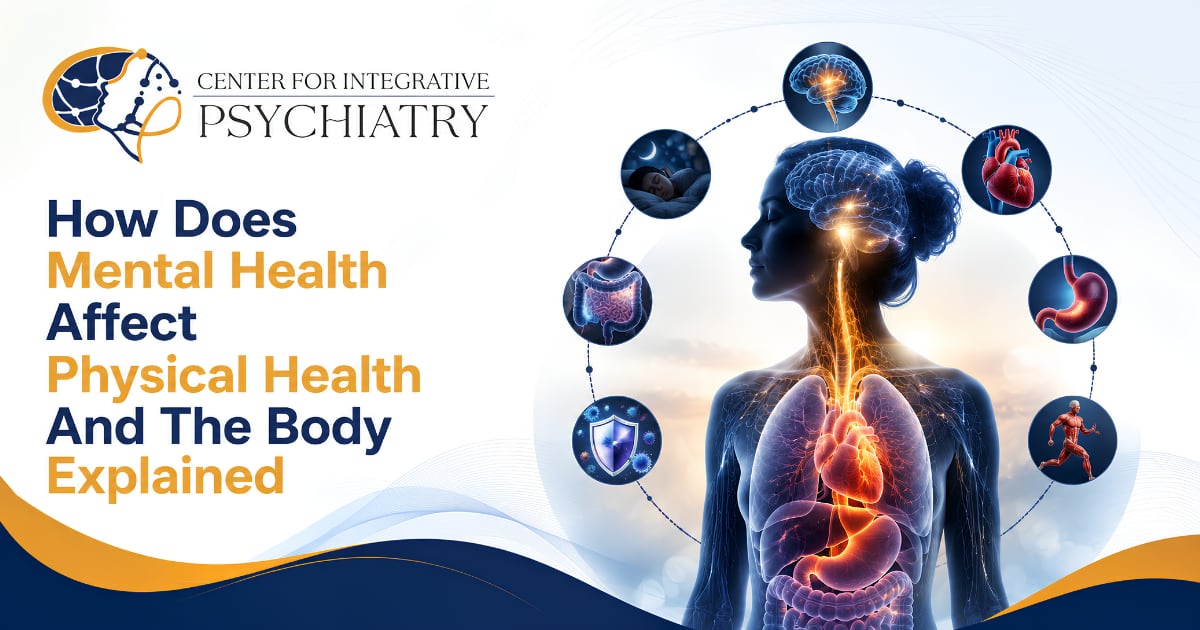
While often viewed as a mental health issue, the physical symptoms of PTSD in adults are equally significant and measurable. The body holds onto trauma through a constant release of stress hormones, which can lead to physical exhaustion and chronic tension. You might experience frequent headaches, digestive issues, or unexplained muscle pain.
Sleep disturbances are another hallmark of the physical impact of trauma on the adult body. This includes not only difficulty falling asleep but also staying asleep due to hypervigilance or vivid nightmares. Addressing these physical manifestations is a priority at Texas CIP, where we use Functional Psychiatry and Naturopathy to restore your body’s natural balance.
How To Know If You Have PTSD After A Traumatic Event
Learning how to know if you have PTSD involves reflecting on how long your symptoms have persisted and how much they interfere with your life. It is normal to feel upset or anxious immediately after a trauma, but these feelings usually begin to subside after a few weeks. If your distress continues for more than a month, it may indicate a more formal condition.
You should also consider the intensity of your avoidance behaviors. If you find yourself restructuring your entire life to avoid specific triggers or memories, this is a strong sign of a underlying trauma response. Professional assessment is the most reliable way to differentiate between normal stress and clinical PTSD.
Understanding When To Seek Help For PTSD Symptoms
Deciding when to seek help for PTSD symptoms is an act of self care that can change the trajectory of your life. If you feel like you are constantly on edge or if your symptoms are affecting your performance at work, it is time to consult a professional. You do not need to wait until your life feels unmanageable to reach out for support.
Early intervention is highly effective and can prevent the development of secondary conditions like Anxiety Disorders or Schizophrenia and Psychosis. At Texas CIP, our Telehealth and in person options make it easy to start your journey toward recovery today. Seeking help early provides you with the coping mechanisms needed to process trauma healthily.
Finding The Best PTSD Treatment For Adults In North Dallas
The best PTSD treatment for adults often involves a multi disciplinary approach that addresses both the mind and the body. Evidence based therapies such as trauma focused counseling are essential for processing the memory of the event. However, combining these with modern treatments like TMS and Medication Management can often yield faster and more stable results.
Our facility offers a unique blend of traditional and functional medicine to support every aspect of your well being. We treat conditions such as PTSD, ADHD, and OCD by creating personalized protocols that might include Nutritional Psychiatry or Life Coaching. This comprehensive approach ensures that you are not just managing symptoms but truly healing.
Effective Treatment Modalities Include:
- Specialized Mental Health Therapy focused on trauma processing.
- TMS for patients who may not have responded to traditional medications.
- Medication Management to help stabilize mood and reduce anxiety.
- Functional Psychiatry to address underlying nutritional or hormonal imbalances.
- Life Coaching to help rebuild daily routines and future goals.
Locating A Top Rated PTSD Therapist Near Me
When you are ready to begin work, finding a top rated PTSD therapist near me is a vital step. You need a clinician who is experienced in trauma informed care and who creates a safe environment for your recovery. The right therapist will help you navigate your triggers without overwhelming your system.
At Texas CIP, our team is highly trained in helping adults overcome the most challenging PTSD symptoms in adults. We offer a compassionate and expert environment where your recovery is our primary focus. We also provide support for those dealing with PTSD and Grief and Loss, ensuring that all aspects of your experience are addressed.
Frequently Asked Questions
What Are the Most Common PTSD Symptoms in Adults? The most common symptoms include intrusive memories or flashbacks, avoidance of trauma reminders, negative changes in mood and thinking, and being in a state of constant high alert.
How Do I Know If My Symptoms Are Actually PTSD? If your symptoms persist for longer than a month and cause significant distress or impairment in your work or social life, it is likely that you are experiencing PTSD rather than general stress.
Can PTSD Symptoms Be Purely Physical? While PTSD is a mental health diagnosis, it frequently presents with physical symptoms like chronic pain, heart palpitations, and extreme fatigue due to the body’s prolonged stress response.
When Should I Seek Professional Help for Trauma? You should seek help if your symptoms are preventing you from living the life you want or if you are using unhealthy coping mechanisms like substance use to manage your distress.
What Is the Most Effective PTSD Treatment for Adults? Research suggests that a combination of trauma informed therapy and, in some cases, medication or TMS provides the most effective results for long term recovery.
Where Can I Find Top Rated PTSD Support Near Me? Texas CIP offers expert trauma care in North Dallas and through Telehealth, providing accessible and high quality treatment for adults across the region.
Conclusion And Final Insights
Understanding the most common PTSD symptoms in adults is the foundation for a successful recovery. Whether you are dealing with intrusive memories, emotional numbness, or physical exhaustion, recognizing these as signs of trauma allows you to take the next step. You do not have to live with the weight of the past forever.
At Texas CIP, we provide the expert care and solution oriented guidance you need to move forward. Our services, ranging from Telehealth to TMS, are designed to support you through every phase of your healing. If you or a loved one are struggling with PTSD symptoms in adults, contact us today to learn how our personalized treatment plans can help you find peace and stability once again.
Disclaimer: This article is for informational purposes only and does not constitute professional medical advice, diagnosis, or treatment. Always seek the advice of your physician or other qualified health provider with any questions you may have regarding a medical condition. Never disregard professional medical advice or delay in seeking it because of something you have read in this content.
This article is for education and general information. It isn't a substitute for individual medical advice, diagnosis, or treatment from a qualified clinician.
Webmaster
Articles on this blog are educational resources from the Center for Integrative Psychiatry, a multidisciplinary clinic offering evidence-based psychiatry, therapy, TMS, and integrative care for Texans since 2015. They are not medical advice — always talk with your own clinician about your care.
Meet the CIP team