
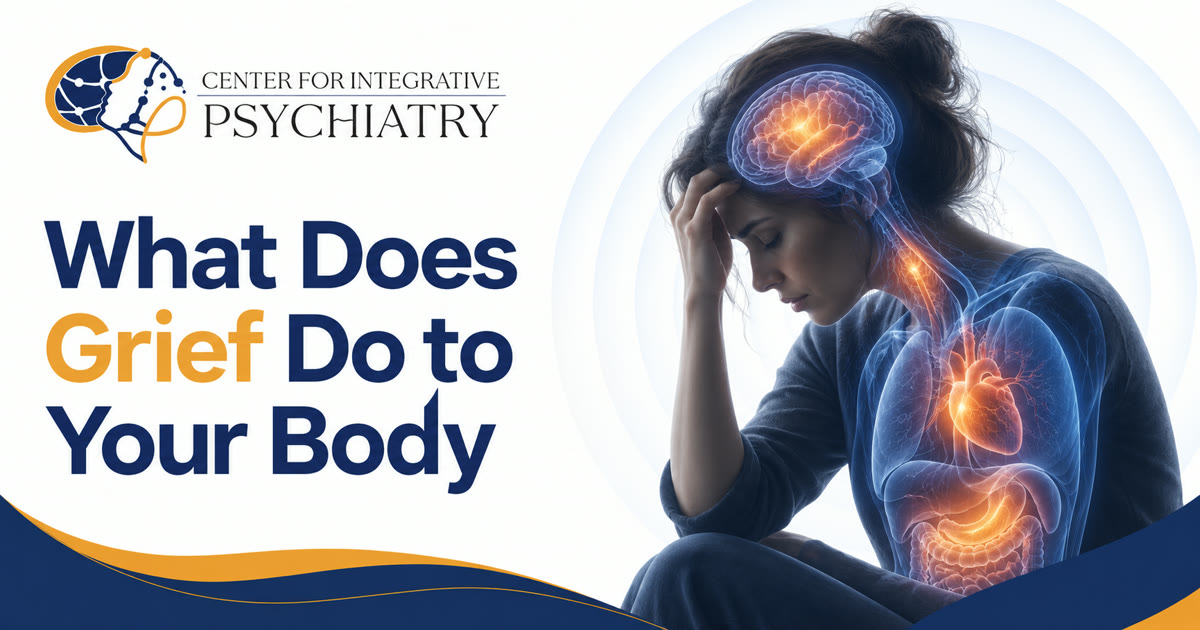
Losing a loved one brings deep emotional pain. However, heartbreak often brings intense somatic distress as well. What does grief do to your body when emotional pain turns physical? Many people experience unexpected aches, severe exhaustion, and digestive distress.
At Texas CIP, we understand the profound connection between emotional sorrow and physical health. Navigating Grief & Loss requires comprehensive support that addresses both mind and body. Through specialized Mental Health Therapy, Functional Psychiatry, Nutritional Psychiatry, and accessible Telehealth services, our team helps individuals process deep loss while restoring physical balance and vitality.
Is Grief An Emotion Or A Full-Body Experience?
Most people wonder: is grief an emotion alone, or does it reach deeper? While grief is primarily classified as an emotional reaction to loss, it is also a systemic physiological event. The brain and body operate on interconnected biological circuits. When your emotional world is shaken, your nervous system responds immediately.
Understanding what does grief feel like on a physical level helps normalize your daily experiences. You may notice tight muscles, a clenched jaw, or an empty feeling in your abdomen. These physical sensations are direct neurological reactions to intense psychological trauma and sadness.
What Does Grief Do to Your Body? The Biological Impact
When you experience a significant loss, your brain perceives emotional trauma as a threat to survival. This triggers the hypothalamic-pituitary-adrenal axis, flooding your system with stress hormones like cortisol and adrenaline. Knowing what grief does to your body biochemically explains why your heart races, your breathing changes, and your muscles tense up without warning.
Chronic activation of these stress hormones can weaken your immune defense and trigger systemic inflammation. Over time, sustained hormone surges disrupt digestion, sleep architecture, and cardiovascular stability. This profound mind-body link is why functional psychiatry in Dallas approaches are crucial during bereavement.
Can Grief Cause Physical Pain Throughout The Body?
Yes, emotional distress activates the same neural pathways in the brain that process physical injury. The anterior cingulate cortex lights up during social distress just as it does during sensory injury.
This shared neurological processing means emotional agony manifests as real somatic pain. Grieving individuals frequently report chest tightness, dull headaches, tension in the neck, and joint soreness. In extreme situations, sudden emotional shock can cause takotsubo cardiomyopathy, commonly known as broken heart syndrome, which mimics the sensations of a heart attack.
Why Does Grief Make You Tired All The Time?
Severe fatigue is one of the most common physical effects of grief. People often ask: does grief make you tired even after a full night in bed? The answer is an overwhelming yes. Grieving takes massive neurological energy because the brain constantly works to process a traumatic reality.
To understand why grief makes you tired, look at sleep disruptions and neurochemical depletion. Emotional grief fragments rapid eye movement sleep, leaving you feeling drained upon waking. When your nervous system remains in high alert, energy reserves deplete rapidly. Our life coaching and therapy teams often work with clients to develop gentle routines that support physical energy and nervous system regulation.
Common Physical Symptoms Of Grief
The somatic signs of bereavement can vary widely, but they generally cluster around key biological systems. How grief affects the body depends on genetics, preexisting health, and personal stress tolerance.
Grief commonly manifests through several physical symptoms:
- Digestive Upset: Nausea, abdominal cramps, loss of appetite, and sudden irritable bowel episodes caused by disruptions in the gut-brain axis.
- Cardiovascular Strain: Palpitations, elevated resting heart rate, and fluctuations in blood pressure due to surges in adrenaline.
- Immune Suppression: Increased vulnerability to seasonal colds, persistent infections, and slow wound recovery resulting from chronic cortisol exposure.
- Sleep Disturbances: Insomnia, frequent night awakenings, vivid dreams, or hypersomnia where leaving bed feels impossible.
- Sensory Sensitivities: Heightened sensitivity to bright lights, loud noises, and crowded environments as the nervous system becomes overwhelmed.
Targeted interventions such as Naturopathy and Nutritional Psychiatry can stabilize gut bacteria, reduce systemic inflammation, and restore depleted micronutrients. Professional grief treatment in Dallas may also help individuals who are struggling to cope with significant emotional distress after a loss.
Identifying The Symptoms Of Complicated Grief
For many, acute physical sensations diminish gradually over weeks and months. However, when mourning remains intense and disabling, individuals may develop prolonged grief disorder. Recognizing the symptoms of complicated grief is vital for seeking timely intervention before chronic conditions arise.
Complicated bereavement often triggers long-lasting somatic distress:
- Intense, unrelenting yearning accompanied by persistent physical chest ache.
- Severe sleep disruption lasting more than twelve months after the loss.
- Inability to perform basic daily activities due to persistent physical lethargy.
- Development or worsening of co-occurring conditions like major depression, PTSD, or severe anxiety disorders.
- Persistent gut inflammation and autoimmune flare-ups that resist standard medical care.
When prolonged sorrow impairs daily living, evidence-based interventions like Medication Management, TMS (Transcranial Magnetic Stimulation), and targeted psychotherapy provide meaningful relief.
How Long Do Physical Symptoms Of Grief Last?
There is no universal timeline for physiological recovery. For uncomplicated bereavement, the sharpest physical discomforts generally begin subsiding between six months to a year.
However, anniversaries, birthdays, and sensory reminders can trigger temporary physical flare-ups years later. If physical symptoms persist beyond a year without easing, consulting a qualified mental health clinician ensures your body receives the specialized care it requires. Related cognitive effects can also occur during bereavement, including memory loss during bereavement.
Whole-Person Support For Grief And Loss At Texas CIP
Recovering from deep sorrow requires compassionate care for both the mind and the physical vessel carrying that pain. At Texas CIP, our psychiatric team in Dallas approaches bereavement through integrative, individualized care. We treat co-occurring challenges such as Depression, PTSD, and Anxiety Disorders that frequently complicate the mourning process.
Our multidisciplinary practice provides:
- Mental Health Therapy: Evidence-based counseling to help you process traumatic loss and express unspoken pain safely.
- Medication Management: Tailored medication and physiological evaluations to stabilize neurotransmitters and balance cortisol.
- Nutritional Psychiatry: Targeted lifestyle and dietary protocols to reduce inflammation, heal the digestive tract, and nourish depleted cells.
- Advanced Neuromodulation (TMS): Non-invasive therapies designed to stimulate neural pathways affected by treatment-resistant depression and prolonged loss.
- Flexible Telehealth Visits: Convenient, confidential care delivered directly to your home across Texas when traveling feels too heavy.
Final Thoughts
Understanding what does grief do to your body brings reassurance during an overwhelming season of life. Grief is not merely a cognitive state; it is an exhaustive physical process that impacts your heart, digestive tract, immune response, and nervous system. Honoring your body with rest, proper nourishment, and professional support is an essential step toward enduring recovery.
If the physical toll of loss has become overwhelming, you do not have to carry it alone. Contact Texas CIP today to explore our comprehensive Grief & Loss services, including Telehealth, Therapy, and Functional Psychiatry. Let our compassionate team support your healing from the inside out.
Frequently asked questions
- What should you do first when grief causes severe physical pain?
- If you experience severe chest pain, shortness of breath, or sudden dizziness, seek immediate medical evaluation to rule out emergency cardiovascular events. Once acute medical issues are cleared, partner with a mental health provider to address trauma-induced physical tension.
- Who is most vulnerable to the physical effects of grief?
- Older adults, caregivers, individuals with preexisting chronic illnesses, and those with a history of Depression or Anxiety Disorders face higher risks. People lacking social support also experience more prolonged physical effects of grief.
- When should someone seek professional help for bereavement symptoms?
- You should seek professional support when physical exhaustion, sleeplessness, or chronic pain prevents you from working, eating, or caring for yourself for several consecutive weeks. Early clinical support prevents acute grief from evolving into complicated grief disorder.
- Where in the body does emotional sorrow manifest most commonly?
- Somatic grief concentrates heavily in the chest, throat, gastrointestinal tract, and shoulders. The gut-brain axis makes the stomach especially sensitive to stress hormones, while chronic muscle bracing leads to tension headaches and upper-back stiffness.
- Why do some people lose their appetite entirely after a loss?
- Acute emotional shock shuts down the parasympathetic nervous system, commonly called the rest-and-digest system. Stress hormones divert blood away from the stomach toward major muscle groups, effectively halting normal hunger cues and digestion.
- How can holistic therapies like naturopathy reduce somatic grief?
- Holistic therapies support adrenal health, replenish vitamins depleted by chronic stress, and soothe the vagus nerve. By calming physical inflammation, these therapies give your body the biological stability needed to engage in emotional therapy.
This article is for education and general information. It isn't a substitute for individual medical advice, diagnosis, or treatment from a qualified clinician.
Webmaster
Articles on this blog are educational resources from the Center for Integrative Psychiatry, a multidisciplinary clinic offering evidence-based psychiatry, therapy, TMS, and integrative care for Texans since 2015. They are not medical advice — always talk with your own clinician about your care.
Meet the CIP team