Navigating sudden emotional overwhelm or persistent fear can feel deeply scary and confusing. Many individuals frequently ask what the difference between panic attacks and anxiety is during stressful times. Do you know how to identify whether you are experiencing sudden panic or buildup anxiety? Learning to recognize these distinct biological responses is essential for finding effective mental health relief.
At Texas CIP, we provide compassionate, evidence-based care to help individuals overcome overwhelming distress and regain emotional balance. Our comprehensive mental health services include Telehealth, Mental Health Therapy, TMS (Transcranial Magnetic Stimulation), Medication Management, Functional Psychiatry, Life Coaching, Nutritional Psychiatry, and Naturopathy. Whether you are living with Anxiety Disorders, Depression, PTSD, Obsessive Compulsive Disorder (OCD), Bipolar Disorder, ADHD, Grief and Loss, or Schizophrenia and Psychosis, our psychiatric team in Dallas designs integrative pathways tailored to your unique biological and emotional needs.
What The Difference Between Panic Attacks And Anxiety Is
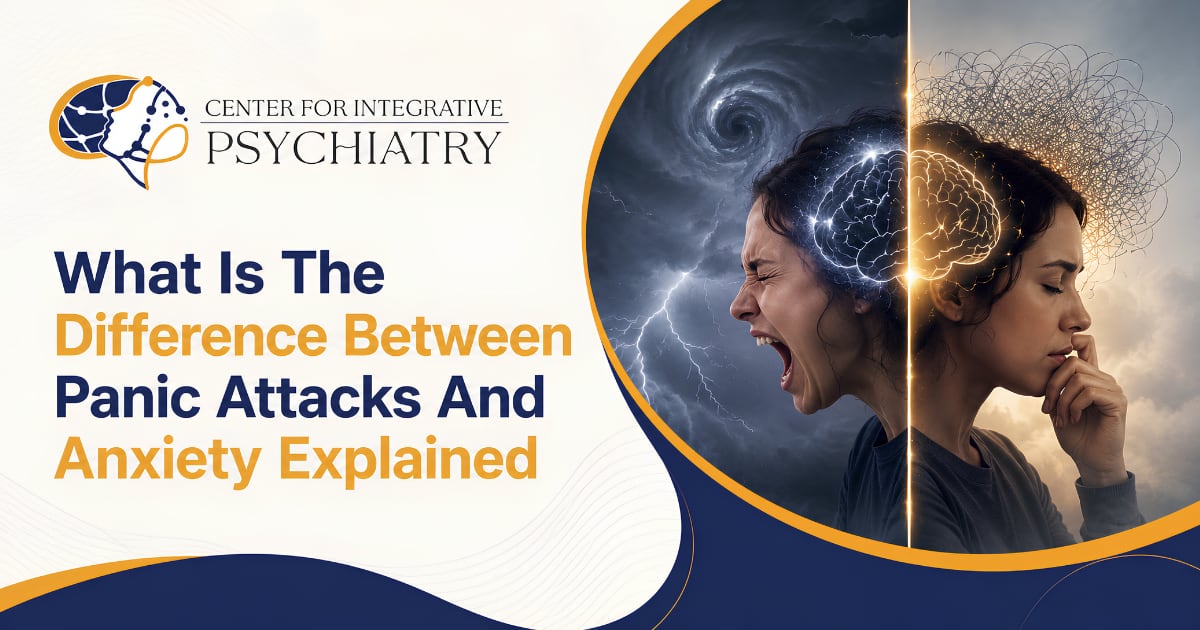
To understand what the difference between panic attacks and anxiety is, it helps to examine how each condition manifests in your mind and body. While both experiences involve intense discomfort, they differ significantly in their onset, duration, physical intensity, and underlying biological triggers.
Anxiety is typically a gradual reaction to long-term stress or perceived future threats. It often builds slowly over hours, days, or even weeks, causing persistent worry, restlessness, and muscle tension. In contrast, a panic attack is an abrupt surge of intense fear or discomfort that reaches a peak within minutes. Panic attacks can strike unexpectedly without an obvious trigger, triggering an extreme fight-or-flight nervous system response.
Recognizing these key distinctions allows medical professionals to develop accurate treatment strategies:
- Speed Of Onset: Anxiety builds gradually over time in response to ongoing stressors, whereas panic attacks strike suddenly and reach peak intensity rapidly.
- Duration Of Episode: Anxiety symptoms can persist for days or weeks at a baseline level, while panic attacks usually subside within 10 to 30 minutes.
- Intensity Of Physical Symptoms: Panic attacks cause overwhelming, severe physical reactions like heart palpitations, while anxiety presents as milder, persistent physical tension.
- Presence Of Direct Triggers: Anxiety is almost always attached to a specific worry or situational stressor, whereas panic attacks frequently occur out of the blue.
Panic Attack Vs Anxiety Attack: Defining The Core Features
When discussing a panic attack vs anxiety attack, it is important to note clinical terminology. In psychiatric diagnostic manuals, a panic attack is a recognized clinical term with specific diagnostic criteria. The phrase anxiety attack is a colloquial term widely used by the public to describe an intense spike of prolonged anxious distress.
Evaluating what is a panic attack vs anxiety attack helps clarify why panic episodes often feel like immediate medical emergencies. During a panic episode, your autonomic nervous system floods your bloodstream with high levels of adrenaline. This sudden release misinterprets harmless situations as life-threatening emergencies, causing acute physiological disruption.
The following list highlights the primary operational differences between these two states:
- Clinical Classification: Panic attacks are officially classified diagnostic events, whereas anxiety attacks reflect severe escalations of generalized worry.
- Level Of Functional Impairment: Panic attacks cause temporary total disruption of activity due to severe physical terror, while high anxiety causes lingering cognitive distress.
- Sense Of Impending Doom: Individuals experiencing panic frequently feel an overwhelming sense that they are dying, losing control, or going crazy.
- Perceived Threat Origin: High anxiety stems from anticipating future obstacles, while panic responds to an immediate, overwhelming neurological threat alarm.
What Are The Symptoms Of A Panic Anxiety Attack?
People frequently ask what are the symptoms of a panic anxiety attack because the physical sensations can overlap significantly. Both experiences involve elevated heart rates, rapid breathing, and emotional distress, leading to understandable confusion.
However, examining the severity and specific combination of symptoms reveals key differences. While anxiety manifests primarily through cognitive worry accompanied by chronic physical tightness, panic attacks produce dramatic physiological changes that can mimic cardiac events.
Monitoring your specific symptom pattern provides valuable insight into your nervous system state:
- Cardiovascular Symptoms: Panic attacks trigger severe heart racing, chest pain, and pounding pulses, whereas anxiety causes moderate elevation in heart rate.
- Respiratory Distresses: Hyperventilation, acute shortness of breath, and choking sensations are hallmark signs of sudden panic episodes.
- Neurological Sensations: Dizziness, lightheadedness, numbness, and tingling in extremities occur sharply during acute panic surges.
- Gastrointestinal And Muscular Effects: Anxiety commonly causes chronic stomach upset, digestive changes, jaw clenching, and persistent muscle stiffness.
- Derealization And Depersonalization: Panic attacks frequently cause a terrifying feeling of detachment from reality or feeling detached from your own body.
Is Panic Disorder An Anxiety Disorder?
Many patients undergoing psychiatric evaluations wonder: is panic disorder an anxiety disorder? The simple answer is yes. Panic disorder is formally classified as a distinct diagnostic condition under the broader clinical category of anxiety disorders.
While anyone can experience an isolated panic attack during extreme stress, panic disorder involves recurrent, unexpected panic attacks followed by persistent fear of future episodes. This fear of fear often leads individuals to avoid places, social settings, or activities where previous attacks occurred, significantly narrowing their quality of life.
Understanding how panic disorder relates to other conditions clarifies the need for targeted care:
- Shared Neurobiological Pathways: Both panic disorder and generalized anxiety involve dysregulation in brain circuits like the amygdala and prefrontal cortex.
- High Comorbidity: Individuals with panic disorder frequently experience co-occurring conditions like Depression, Agoraphobia, or PTSD.
- Behavioral Avoidance Patterns: Untreated panic disorder can evolve into severe situational avoidance, exacerbating social isolation and daily stress.
- Distinct Diagnostic Criteria: Panic disorder requires persistent worry about future attacks for at least one month following an episode.
Finding A Therapist For Panic Attacks And Integrated Care
Living in a constant state of apprehension or fearing the next sudden panic episode takes a heavy toll on your health. Finding a specialized therapist for panic attacks is a vital first step toward reclaiming peace of mind and physical comfort. For individuals experiencing persistent worry or recurring panic symptoms, seeking professional treatment for anxiety disorders can help identify appropriate treatment options.
At Texas CIP, we believe in treating the whole person rather than just managing isolated symptoms. Our clinical team combines traditional psychotherapy with cutting-edge interventions to restore nervous system regulation. Through Mental Health Therapy and Telehealth, patients learn evidence-based cognitive strategies and interoceptive exposure tools to deactivate panic responses.
For individuals struggling with treatment-resistant symptoms, our advanced clinical services offer comprehensive support:
- TMS (Transcranial Magnetic Stimulation): Non-invasive brain stimulation that helps rebalance neural circuits involved in mood and fear regulation.
- Medication Management: Careful calibration of psychiatric prescriptions to stabilize central nervous system signaling and prevent acute panic surges.
- Nutritional Psychiatry: Evaluating biological markers, gut health, and nutrient imbalances that contribute to heightened nervous system sensitivity.
- Life Coaching: Lifestyle strategies, mindfulness practices, and nervous system regulation tools that build long-term stress resilience.
Final Thoughts
Understanding what the difference between panic attacks and anxiety is empowers you to seek the right level of mental health support. While anxiety manifests as persistent, gradual worry, panic attacks present as sudden, intense surges of acute physical fear. Recognizing these differences removes confusion and paves the way for targeted recovery.
At Texas CIP, our expert psychiatric team is dedicated to helping you overcome debilitating panic and anxiety. Contact Texas CIP today to schedule a consultation and learn how our personalized TMS, therapy, medication management, and functional wellness programs can help you achieve lasting balance.
Frequently asked questions
- Who Is Most Likely To Suffer From Panic Attacks And Severe Anxiety?
- Individuals with a family history of anxiety, high environmental stress, traumatic experiences, or underlying medical conditions like thyroid dysregulation face higher risks.
- What Is A Panic Attack Vs Anxiety Attack In Terms Of Onset And Duration?
- A panic attack starts abruptly, reaches peak terror within minutes, and ends quickly, whereas an anxiety attack builds gradually over hours and lasts much longer.
- When Should You See A Therapist For Panic Attacks?
- You should consult a therapist for panic attacks as soon as unexpected panic episodes interfere with daily activities or cause persistent fear of future attacks.
- Where Can You Get Integrated Treatment For Panic Disorder And Anxiety Disorders?
- Texas CIP offers comprehensive in-person and virtual Telehealth care across Texas, integrating psychiatry, TMS, therapy, and functional medicine.
- Why Do Physical Symptoms Of Panic Feel Like A Medical Emergency?
- Panic attacks trigger a massive release of adrenaline, causing severe chest tightness, hyperventilation, and dizziness that closely mimic cardiac or respiratory emergencies.
- How Does Texas CIP Create Personalized Care For Anxiety And Panic Disorders?
- Texas CIP conducts detailed diagnostic evaluations combining psychiatric therapy, TMS, functional psychiatry, medication management, and lifestyle coaching for whole-person healing.
This article is for education and general information. It isn't a substitute for individual medical advice, diagnosis, or treatment from a qualified clinician.
Webmaster
Articles on this blog are educational resources from the Center for Integrative Psychiatry, a multidisciplinary clinic offering evidence-based psychiatry, therapy, TMS, and integrative care for Texans since 2015. They are not medical advice — always talk with your own clinician about your care.
Meet the CIP team