
Everyone experiences moments of nervousness or apprehension when facing a major life change or a high pressure situation at work. These feelings are a natural part of the human survival instinct, alerting us to potential challenges and keeping us alert. However, there is a specific point where these temporary feelings shift into something more persistent and overwhelming. Do you ever feel like your worries have taken on a life of their own and no longer match the reality of your situation?
At Texas CIP, we help individuals identify exactly when does Anxiety Turn Into a Disorder and provide the necessary interventions to regain balance. Our clinical team offers a wide array of services including Telehealth, Mental Health Therapy, TMS, and Medication Management. We also emphasize holistic wellness through Functional Psychiatry, Life Coaching, Nutritional Psychiatry, and Naturopathy. Whether you are navigating Anxiety Disorders, PTSD, or Depression, our goal is to provide a comprehensive roadmap for your recovery.
Understanding The Purpose Of Healthy Anxiety
Healthy anxiety acts as an internal alarm system that prepares the body to respond to immediate stress or danger. It can actually be beneficial in small doses, such as helping you stay focused during an exam or stay cautious while driving in a storm. Once the stressful event passes, this type of anxiety typically fades away, allowing your nervous system to return to a calm state.
When this alarm system fails to shut off, it begins to interfere with your ability to function and enjoy your life. This persistent state of high alert is often the first sign that your mental health requires professional attention. At Texas CIP, we look at the frequency and intensity of your symptoms to help you understand your unique emotional landscape.
Identifying The Various Types Of Anxiety Disorders
Anxiety is not a singular experience but rather a spectrum of different conditions that manifest in various ways. Different Types of anxiety disorders can affect how you think, feel, and interact with the physical world around you. Recognizing which category your symptoms fall into is the first step toward finding an effective treatment plan.
The most common conditions we treat at our North Dallas and Coppell locations include:
- Panic Disorder, which involves sudden and repeated episodes of intense fear.
- Social Anxiety Disorder, characterized by overwhelming self consciousness in social situations.
- Separation Anxiety, which can affect both children and adults during transitions.
- Agoraphobia, leading to the avoidance of places that might cause a sense of being trapped.
Why Generalized Anxiety Disorder (GAD) Is So Common
Many people struggle with a constant sense of dread that is not tied to any one specific event or trigger. Generalized anxiety disorder (GAD) involves chronic and excessive worry about everyday things like health, money, or family. This worry is often difficult to control and lasts for at least six months, making it a leading cause of emotional exhaustion.
Individuals with GAD often suffer from physical symptoms such as muscle tension, fatigue, and difficulty concentrating. Because these symptoms are so broad, they can be mistaken for general stress or physical illness. Our Functional Psychiatry approach helps rule out nutritional deficiencies or hormonal imbalances that might be mimicking or worsening these feelings of unease.
The Role Of Specific Phobias And Intense Fear
Sometimes, anxiety becomes hyper focused on a particular object, animal, or situation that poses little actual danger. Specific phobias create a level of intense fear that can lead to avoidance behaviors that shrink a person’s world. While many people have mild dislikes, a true phobia causes a physical and emotional reaction that is entirely disproportionate to the threat.
Exposure to the trigger of a phobia can cause rapid heartbeat, shortness of breath, and a strong desire to flee. This level of distress is a clear indicator of when does Anxiety Turn Into a Disorder, as it limits your freedom and dictates your daily choices. Through targeted Mental Health Therapy, we help patients desensitize their fear response and reclaim their confidence.
How Anxiety Disorders Involve Physical And Mental Changes
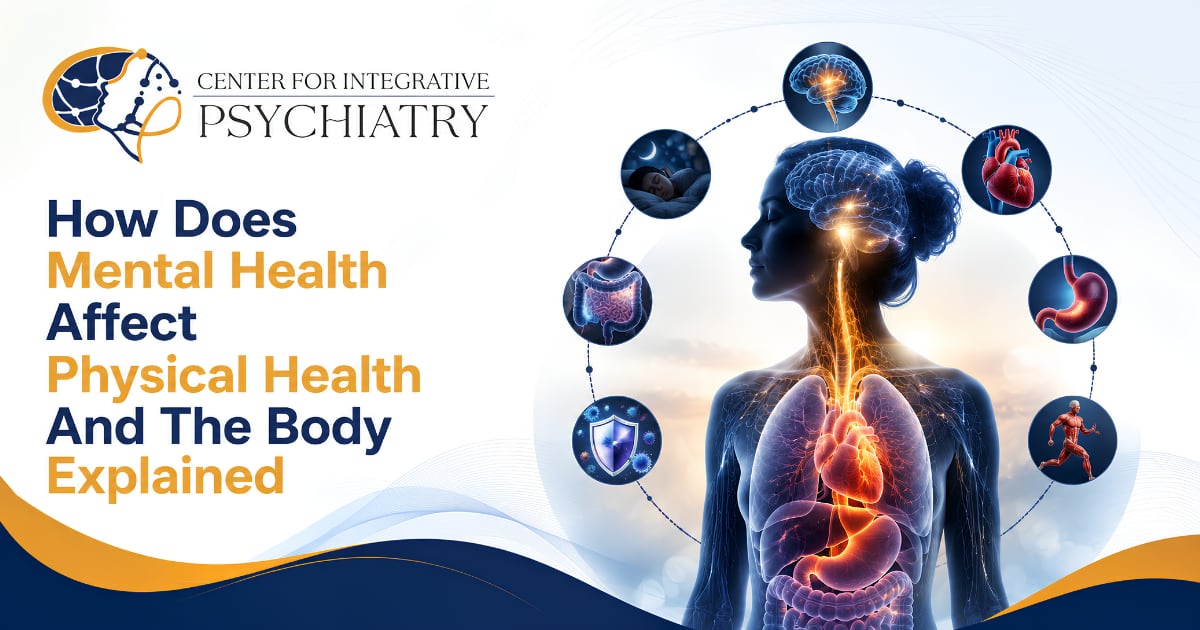
It is a common misconception that anxiety is purely a mental issue that can be “thought away” with enough willpower. In reality, Anxiety disorders involve complex changes in brain chemistry and the autonomic nervous system. The amygdala, which processes fear, becomes hyperactive, while the parts of the brain responsible for logical reasoning struggle to keep up.
These neurological shifts often lead to a variety of physical complaints, such as digestive issues, headaches, and chronic pain. At Texas CIP, we use Medication Management and TMS to address these biological changes directly. By calming the overactive circuits in the brain, we create a more stable environment for your emotional healing to take place.
Choosing The Right Treatment Centers For Anxiety Disorders
Finding a place that offers both clinical expertise and a compassionate environment is essential for long term success. The best treatment centers for anxiety disorders provide a multidisciplinary approach that treats the whole person rather than just the diagnosis. You deserve a care team that listens to your story and respects your individual goals for wellness.
Our centers in North Dallas and Coppell are designed to be safe havens for those seeking clarity and relief. We combine evidence based psychotherapy with innovative treatments like Nutritional Psychiatry to ensure your brain has the fuel it needs to recover. Whether you prefer in person sessions or the convenience of Telehealth, we make it easy to prioritize your mental health.
Developing Skills To Manage Chronic Worry
Once you understand the nature of your condition, the focus shifts toward building a toolkit of strategies for daily life. Managing a disorder requires a combination of professional guidance and consistent personal practice. These skills help you intervene before a spark of worry turns into a full blown panic attack.
Before you begin your treatment journey, consider implementing these supportive habits:
- Practice deep breathing techniques to signal safety to your nervous system.
- Reduce caffeine and sugar intake to prevent unnecessary spikes in adrenaline.
- Set specific “worry times” during the day to prevent anxiety from bleeding into every hour.
- Engage in regular physical activity to burn off the energy created by the stress response.
- Maintain a consistent sleep schedule to support cognitive function and emotional regulation.
Supporting Your Recovery With Texas CIP
At Texas CIP, we understand that living with an anxiety disorder can feel like a constant uphill battle. We are committed to helping you navigate conditions like OCD, PTSD, and Bipolar Disorder with a high level of care and precision. Our integrative model ensures that we are looking at every possible factor, from your gut health to your lifestyle habits.
We believe that no one should have to suffer in silence or feel ashamed of their struggle. By offering a blend of traditional psychiatry and naturopathic principles, we provide a more robust path toward stability. Our team is ready to help you discover exactly when does Anxiety Turn Into a Disorder in your life and provide the solutions you need to move forward.
FAQs About Anxiety And Its Transition To A Disorder
Who can help me determine if my anxiety has become a disorder?
A qualified mental health professional or a clinical team like the one at Texas CIP can provide a formal evaluation and diagnosis based on your symptoms.
What is the difference between normal stress and Generalized anxiety disorder (GAD)?
Normal stress is usually tied to a specific external cause and goes away once the situation is resolved, whereas GAD is persistent, excessive, and often occurs without a clear trigger.
When should I look for treatment centers for anxiety disorders?
You should seek professional help if your anxiety prevents you from working, sleeping, or maintaining healthy relationships for an extended period.
How do Specific phobias differ from common fears?
A common fear might make you nervous, but a specific phobia creates an intense fear that leads to significant life disruptions or physical panic symptoms.
Why do Anxiety disorders involve so many physical symptoms?
Because the mind and body are connected, the constant release of stress hormones like cortisol and adrenaline impacts your heart rate, digestion, and muscle tension.
Conclusion
Determining when does Anxiety Turn Into a Disorder is a vital step in reclaiming your quality of life. While temporary stress is a part of the human experience, you do not have to live in a state of constant fear or worry. By utilizing the advanced clinical tools and holistic treatments available at Texas CIP, you can find a path to lasting relief. Our team is here to support you with everything from TMS to Nutritional Psychiatry, ensuring that your recovery is as comprehensive as possible. If you are ready to stop letting anxiety dictate your future, we are ready to help.
Contact Texas CIP today to schedule a consultation and learn more about our personalized treatment plans. Take the first step toward a calmer, more confident version of yourself.
Disclaimer: The information in this blog is for educational purposes only and is not a substitute for professional medical advice or diagnosis. Always seek the guidance of a physician or another qualified health provider with any questions you may have regarding a medical condition or when does Anxiety Turn Into a Disorder.
This article is for education and general information. It isn't a substitute for individual medical advice, diagnosis, or treatment from a qualified clinician.
Webmaster
Articles on this blog are educational resources from the Center for Integrative Psychiatry, a multidisciplinary clinic offering evidence-based psychiatry, therapy, TMS, and integrative care for Texans since 2015. They are not medical advice — always talk with your own clinician about your care.
Meet the CIP team