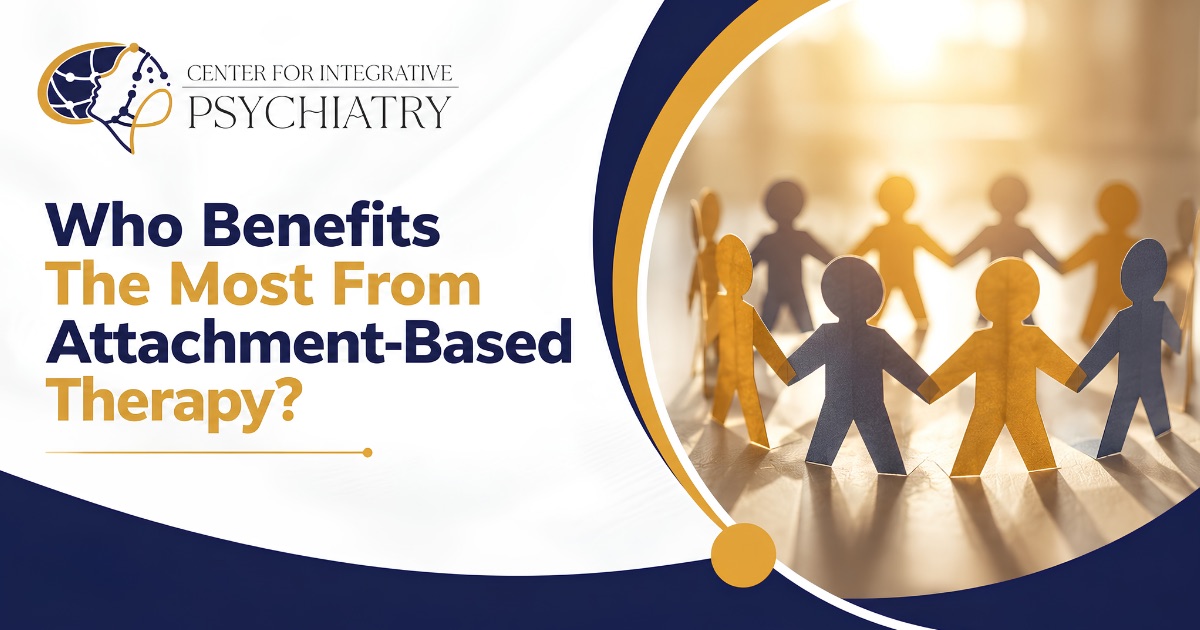
Do you struggle to build deep and lasting trust in your closest relationships? Early childhood bonds shape how we interact with partners and friends today. Finding emotional security often requires exploring these deep rooted patterns. Who benefits the most from attachment-based therapy?
At Texas CIP, we design customized care paths to help you build secure emotional connections. Our clinic offers evidence-based mental health therapy alongside innovative clinical options. We blend traditional psychiatry with functional psychiatry, nutritional psychiatry, and life coaching. Whether you visit us in person or use our secure telehealth platform, we support your unique mental wellness journey.
Exploring The Key Benefits Of Attachment Based Therapy
Human beings are wired for connection, but early life experiences can disrupt this natural drive. When early caregivers are emotionally unavailable or inconsistent, children develop survival strategies to protect themselves. These defense mechanisms often persist into adulthood, causing significant distress in romantic, social, and professional relationships.
Understanding how your past influences your present is essential for personal growth. By addressing the root causes of relational distress, individuals can shift from defensive patterns to open communication. This therapeutic framework provides a supportive space to explore safety, trust, and vulnerability.
Many different populations can experience life-changing shifts through this specialized clinical approach. The benefits of attachment based therapy extend to anyone who feels stuck in repetitive, destructive relationship loops:
- Adults with insecure attachment styles who constantly worry about abandonment or actively push people away. For those experiencing avoidant relationship patterns, overcoming avoidant attachment with therapy can help develop healthier ways to connect with others.
- Individuals recovering from childhood neglect, emotional abuse, or inconsistent caregiving environments.
- People who struggle with emotional regulation and experience intense emotional highs and lows in their relationships.
- Individuals who find it difficult to express their needs or set healthy boundaries with loved ones.
Using Attachment Based Therapy Techniques To Repattern Relationships
To heal developmental wounds, therapists use specific interventions that go beyond traditional talk therapy. These methods focus on creating a safe, non-judgmental space where you can explore vulnerable emotions. By treating the therapist-client relationship as a secure base, you can safely practice new ways of relating to others.
Our clinicians at Texas CIP utilize a variety of advanced clinical methods tailored to your specific goals. These tools help rewrite old narrative scripts and replace them with healthier behavioral habits. Through compassionate guidance, you can learn to process difficult memories without feeling overwhelmed.
These specialized practices target both cognitive understanding and somatic processing to ensure comprehensive healing. Some of the core attachment based therapy techniques used to promote lasting change include:
- Exploring childhood relationship histories to identify the origin of current behavioral defenses.
- Developing emotional awareness to identify when a past trauma trigger is affecting a present interaction.
- Utilizing the therapeutic alliance to practice real-time boundary setting and emotional expression.
- Reframing negative self-beliefs that stem from early rejection or feelings of inadequacy.
Healing Childhood Trauma And Post-Traumatic Stress
Childhood trauma can leave a lasting imprint on the nervous system, leading to chronic physical and emotional distress. Individuals living with PTSD or recovering from profound grief and loss often carry deeply rooted beliefs that the world is unsafe. Traditional interventions may not fully address these somatic and relational wounds.
At Texas CIP, we combine attachment-based therapy with functional psychiatry and medication management to treat complex trauma. For individuals managing treatment-resistant symptoms, we also offer advanced options like TMS. By addressing both the physical nervous system and emotional patterns, we help you cultivate a genuine sense of safety.
Overcoming Anxiety Disorders And Depressive Symptoms
Relational instability is highly correlated with broader mental health conditions. When you feel disconnected or constantly fear rejection, your body remains in a state of high alert. This chronic stress can trigger severe anxiety disorders, panic, and persistent depressive episodes.
Our holistic approach helps regulate your nervous system by establishing internal security. By working with our mental health therapy team, patients with depression learn to break the cycle of isolation. We also support individuals managing OCD, ADHD, bipolar disorder, and schizophrenia and psychosis by creating highly predictable, calming relationship structures.
Strengthening Romantic Partnerships Through Attachment Based Couples Therapy
Romantic relationships are often where our deepest emotional wounds show up. When partners trigger each other's attachment insecurities, it can lead to toxic cycles of pursuing and withdrawing. Without professional guidance, breaking these destructive communication habits can feel nearly impossible.
Fortunately, couples can learn to rewrite their relational dynamics by understanding each other's primary needs. Our specialists guide partners to recognize their reactive patterns and build a secure emotional bond together. This collaborative work helps couples move from constant conflict to mutual support.
By participating in structured sessions, partners can experience the profound benefits of attachment therapy in a shared space. Utilizing attachment based couples therapy allows partners to achieve several critical relational goals:
- Identifying each partner's specific triggers and understanding the childhood roots behind those reactions.
- Replacing defensive blame and withdrawal with vulnerable, clear communication of emotional needs.
- Rebuilding trust and physical intimacy after periods of emotional distance or relational betrayal.
- Creating a shared sense of safety that allows both individuals to thrive independently and together.
Maximizing The Benefits Of Attachment Therapy In Holistic Care
True recovery requires looking at the whole person, including physical health, lifestyle, and nutrition. Emotional wounds do not exist in a vacuum; they interact directly with your brain chemistry and systemic inflammation. To support lasting behavioral change, we must nourish both the mind and the body.
At Texas CIP, we integrate naturopathy and nutritional psychiatry into our clinical treatment plans. We believe that physical vitality directly influences your emotional resilience and capacity for relational work. Our life coaching programs also provide you with practical tools to implement these positive changes in your daily routine.
This integrated model ensures that your physical biology supports your psychological healing. By combining natural medicine, nervous system regulation, and emotional processing, we offer a comprehensive path to wellness. Our team is dedicated to helping you achieve a balanced, vibrant, and connected life.
Seeking Lasting Emotional Freedom and Relational Peace
Embarking on the path toward emotional healing is a courageous step that can transform every area of your life. Through attachment-based therapy, you can move away from exhausting defensive patterns and step into authentic, loving connections. You do not have to navigate your relationship struggles or mental health challenges alone.
At Texas CIP, we are committed to providing the compassionate, expert care you deserve. Our diverse clinical team is ready to support you with tailored therapy, functional medicine, and holistic psychiatry. Reach out to Texas CIP today to schedule your consultation and begin your journey toward secure, healthy relationships.
Frequently asked questions
- Who benefits the most from attachment-based therapy?
- Adults who experience chronic relationship conflicts, fear of intimacy, or abandonment anxiety benefit significantly from this approach. It is also highly effective for individuals recovering from childhood trauma, neglect, or inconsistent caregiving.
- What makes attachment based couples therapy effective for partners?
- This therapeutic approach helps partners understand the root causes of their emotional triggers and defensive behaviors. By fostering mutual empathy, it allows couples to break negative communication patterns and build a secure emotional bond.
- When should you seek the benefits of attachment therapy?
- You should consider this therapy when you notice repetitive, unhealthy relationship patterns, such as constant codependency or emotional withdrawal. It is also beneficial when relational stress begins to worsen symptoms of anxiety, depression, or ADHD.
- Where can you access professional attachment-based therapy in Texas?
- You can access specialized care through Texas CIP, where we offer both in-person sessions and convenient telehealth services. Our multidisciplinary team serves clients throughout Texas with comprehensive mental health and holistic support.
- Why do attachment based therapy techniques focus on early childhood?
- These techniques focus on childhood because our early interactions with primary caregivers create the emotional templates for all future relationships. Resolving issues at this fundamental level allows for deep, permanent healing in adult life.
- How does functional medicine enhance the benefits of attachment based therapy?
- Functional medicine addresses underlying physical issues like gut health, nutritional deficiencies, and inflammation that impact mood and brain function. By stabilizing your physical health, your nervous system is better prepared to process emotional trauma and build secure connections.
This article is for education and general information. It isn't a substitute for individual medical advice, diagnosis, or treatment from a qualified clinician.
Webmaster
Articles on this blog are educational resources from the Center for Integrative Psychiatry, a multidisciplinary clinic offering evidence-based psychiatry, therapy, TMS, and integrative care for Texans since 2015. They are not medical advice — always talk with your own clinician about your care.
Meet the CIP team