
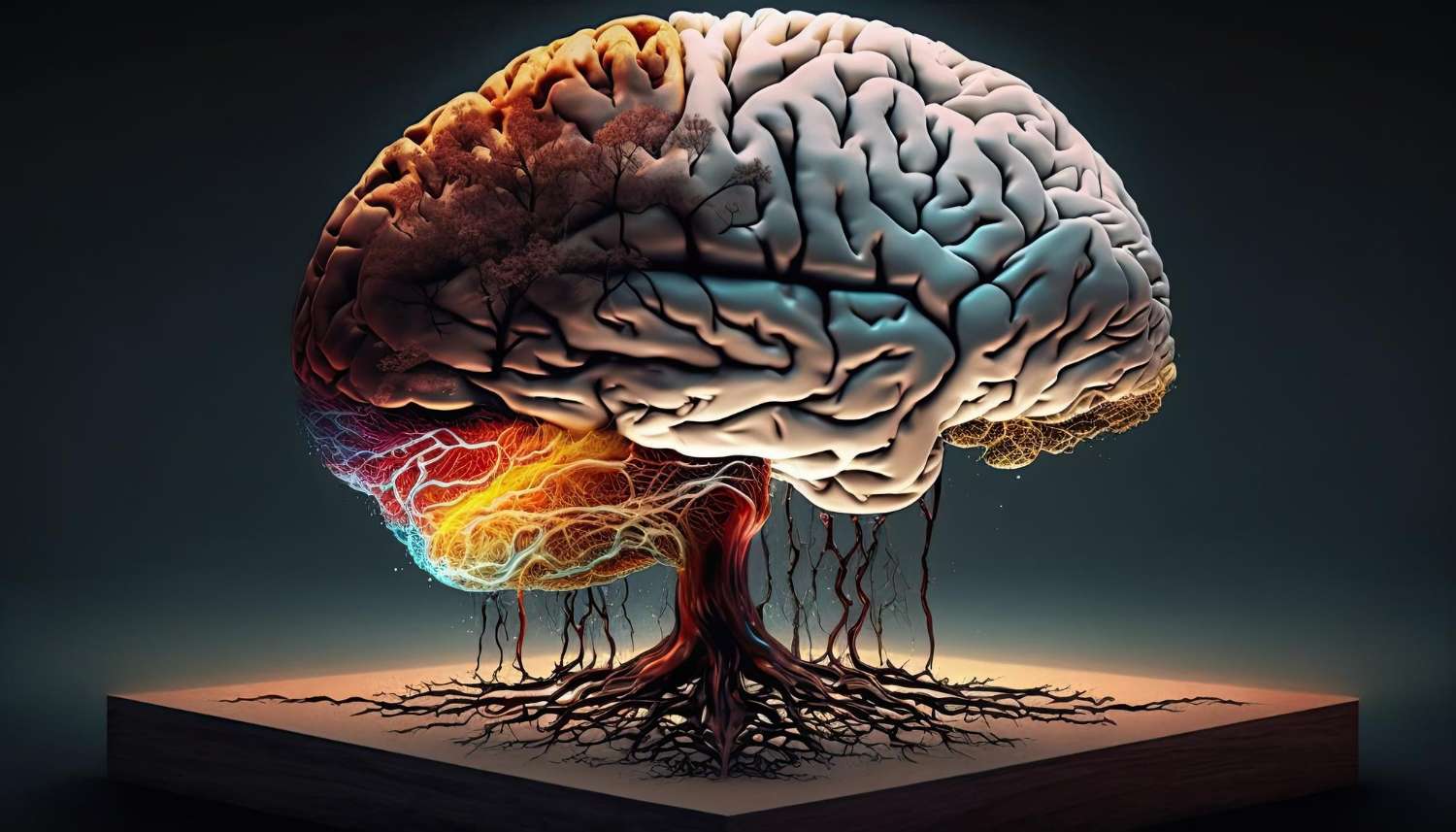
Our brain is a complex organ, responsible for countless functions that keep us alive and functioning. However, it doesn’t always make decisions that are in our best interest. Understanding the intricacies of the brain can help us harness its full potential and enhance our cognitive abilities. In this article, we will explore why our brain sometimes falters and provide strategies on how to boost your brain and memory power.
The Complexity of the Human Brain
The human brain, despite its incredible capabilities, is not infallible. It is wired for survival, not necessarily for optimal decision-making. This can lead to incomplete thinking and sometimes even poor choices. Here are some reasons why:
- Evolutionary Biases: Our brains evolved to prioritize survival and reproduction. This means they are more attuned to immediate rewards rather than long-term benefits, which can lead to less optimal decisions.
- Cognitive Overload: In today’s fast-paced world, our brains are bombarded with information. This overload can impair our ability to process information effectively, leading to incomplete thinking.
- Emotional Influences: Emotions play a significant role in decision-making. While they can guide us, they can also cloud our judgment, leading to decisions that are not in our best interest.
Healing Memory: Overcoming Cognitive Challenges
Memory is a critical aspect of cognitive function, yet it is often vulnerable to various factors. Healing memory involves understanding these challenges and implementing strategies to overcome them.
Common Memory Challenges
- Aging: As we age, our memory naturally declines. However, this can be mitigated with the right strategies.
- Stress: Chronic stress can impair memory and cognitive function, making it harder to retain and recall information.
- Lack of Sleep: Sleep is crucial for memory consolidation. Poor sleep can lead to memory lapses and decreased cognitive performance.
Strategies for Healing Memory
- Mindfulness and Meditation: These practices can reduce stress and improve memory. Mindfulness helps in focusing attention, which is crucial for memory retention.
- Healthy Diet: Consuming foods rich in antioxidants, healthy fats, and vitamins can support brain health and improve memory.
- Regular Exercise: Physical activity increases blood flow to the brain and promotes the growth of new brain cells, enhancing memory and cognitive function.
How to Boost Your Brain Power and Memory
Boosting brain power and memory is essential for maintaining cognitive health and improving overall quality of life. Here are some effective strategies:
Cognitive Training
- Brain Games: Engaging in puzzles, crosswords, and other brain games can enhance cognitive function and memory.
- Learning New Skills: Acquiring new skills stimulates the brain and creates new neural connections, which is vital for cognitive health.
Physical Health
- Regular Physical Activity: Exercise not only benefits the body but also the mental health. It enhances mood, reduces stress, and improves cognitive function.
- Adequate Sleep: Prioritize sleep to ensure your brain has time to consolidate memories and repair itself.
Nutritional Support
- Omega-3 Fatty Acids: Found in fish, flaxseed, and walnuts, these are crucial for brain health.
- Antioxidants: Berries, dark chocolate, and nuts are rich in antioxidants that protect the brain from oxidative stress.
Change Your Mind, Train Your Brain
Adopting a growth mindset can significantly impact cognitive function. Changing your mind and training your brain involves adopting positive mental habits and continuously challenging yourself.
Positive Mental Habits
- Positive Thinking: Cultivating a positive outlook can improve brain function and overall mental health.
- Stress Management: Techniques such as yoga, meditation, and deep breathing can reduce stress and improve cognitive function.
Continuous Learning
- Stay Curious: Always be willing to learn new things. Curiosity stimulates the brain and keeps it active.
- Set Goals: Having clear, achievable goals keeps the brain focused and motivated.
Overcoming Incomplete Thinking
Incomplete thinking often arises from cognitive overload and stress. To overcome this, it’s important to develop strategies that enhance focus and clarity.
Enhancing Focus
- Mindfulness Practices: These can help in staying present and reducing mental clutter.
- Structured Planning: Break tasks into smaller, manageable steps to improve focus and productivity.
Improving Clarity
- Journaling: Writing down thoughts and plans can help in organizing ideas and improving mental clarity.
- Limit Distractions: Create an environment conducive to focus by minimizing distractions.
Addressing Common Cognitive Concerns
Many people struggle with thoughts like “Why can’t I finish anything?” or “Why can’t I understand simple things?” These concerns can be addressed by understanding the underlying cognitive issues and implementing practical strategies.
Procrastination and Task Completion
- Set Clear Deadlines: Having specific deadlines can motivate you to complete tasks.
- Prioritize Tasks: Focus on high-priority tasks first to ensure they get done.
Understanding and Comprehension
- Active Reading: Engage actively with the material by taking notes and asking questions.
- Seek Help: Don’t hesitate to seek clarification from others if you don’t understand something.
Conclusion
Our brain is a remarkable organ, but it isn’t always perfect in its decision-making. By understanding its complexities and implementing strategies to enhance brain and memory power, we can improve our cognitive health. Embrace mindfulness, maintain a healthy lifestyle, and continuously challenge your brain to unlock its full potential.
Medical Disclaimer
The information provided in this article is for educational purposes only and should not be taken as medical advice. Please consult a healthcare professional for personalized medical guidance.
Contact Us
For more information and support on cognitive health, please reach out to the contact the Center for Integrative Psychiatry™ today at 1-877-283-5336. Our team of experts is here to help you achieve optimal mental well-being.
This article is for education and general information. It isn't a substitute for individual medical advice, diagnosis, or treatment from a qualified clinician.
Webmaster
Articles on this blog are educational resources from the Center for Integrative Psychiatry, a multidisciplinary clinic offering evidence-based psychiatry, therapy, TMS, and integrative care for Texans since 2015. They are not medical advice — always talk with your own clinician about your care.
Meet the CIP team