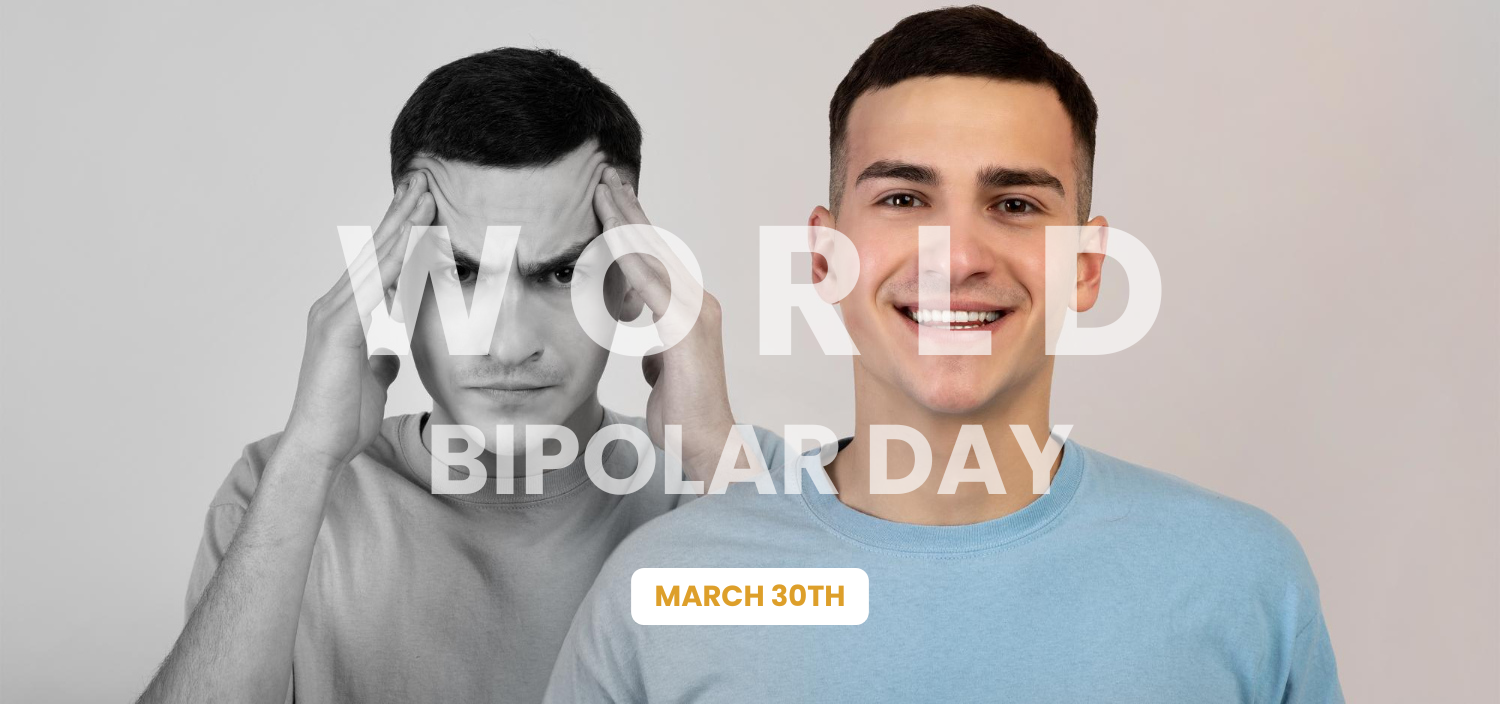
Every year on March 30th, we observe World Bipolar Day, a global initiative dedicated to raising awareness, challenging stigma, and promoting understanding about bipolar disorder. Despite the millions affected worldwide, misconceptions and societal stigma often prevent individuals from seeking the treatment and support they need.
World Bipolar Day 2026 is a call to action, an opportunity to educate, support, and empower those living with bipolar disorder. By spreading awareness, we can foster a more inclusive society where mental health is treated with the same importance as physical health.
This guide will cover:
- The importance of bipolar disorder awareness
- How mental illness awareness days contribute to change
- Ways to participate in Bipolar Awareness Month
- Practical steps to support individuals with bipolar disorder
Understanding Bipolar Disorder: More Than Mood Swings
Bipolar disorder is a chronic mental health condition that affects mood, energy levels, and daily functioning. It is characterized by extreme mood fluctuations, including manic episodes (high energy, impulsivity) and depressive episodes (low energy, sadness, hopelessness).
Types of Bipolar Disorder
- Bipolar I Disorder – Severe manic episodes that may require hospitalization, often accompanied by depressive episodes.
- Bipolar II Disorder – Hypomanic episodes (less intense than full mania) along with long-lasting depressive episodes.
- Cyclothymic Disorder – Milder, frequent mood fluctuations that do not meet the full criteria for bipolar I or II.
Without proper treatment, bipolar disorder can affect personal relationships, work performance, and overall well-being, but with the right management strategies, individuals can lead fulfilling, balanced lives.
Why World Bipolar Day 2026 Is Important
1. Breaking the Stigma
Even with increased mental health awareness, many individuals with bipolar disorder still face judgment, discrimination, and misunderstanding. World Bipolar Disorder Day aims to challenge these misconceptions and emphasize that bipolar disorder is a manageable medical condition, not a character flaw.
2. Encouraging Early Diagnosis and Treatment
Bipolar disorder is often misdiagnosed or undiagnosed for years, with symptoms mistaken for stress, depression, or personality traits. Early diagnosis and intervention can prevent severe episodes and improve long-term stability.
3. Educating the Public About Bipolar Disorder
Common myths about bipolar disorder include:
- “It’s just mood swings.” (Reality: It is a serious mental health condition requiring medical treatment.)
- “People with bipolar disorder are unpredictable and dangerous.” (Reality: Most individuals lead stable lives when properly treated.)
- “Medication is the only solution.” (Reality: A combination of therapy, lifestyle changes, and medication yields the best outcomes.)
By fostering bipolar disorder awareness, we can replace stigma with empathy and education.
How to Get Involved in World Bipolar Day 2026
1. Share Awareness on Social Media
Use hashtags like #WorldBipolarDay, #BipolarAwarenessMonth, #BreakTheStigma, #MentalHealthMatters, and #EndTheStigma to share facts, personal experiences, and educational resources.
2. Participate in Local or Online Events
Join virtual conferences, awareness walks, or community discussions hosted by mental health organizations during Bipolar Awareness Month. These events help foster community, support, and education.
3. Support Mental Health Advocacy Groups
Organizations like NAMI (National Alliance on Mental Illness), the International Bipolar Foundation, and the Depression and Bipolar Support Alliance (DBSA) provide invaluable resources, education, and peer support. Consider donating, volunteering, or spreading awareness.
4. Educate Yourself and Others
Take the time to read about bipolar disorder, listen to mental health podcasts, and engage in meaningful conversations. The more informed we are, the more we can help combat misconceptions.
5. Show Compassion and Support
If you know someone living with bipolar disorder, offer nonjudgmental support. Encourage open discussions, be patient, and show empathy, it can make a world of difference.
Bipolar Awareness Month: Keeping the Conversation Going
While World Bipolar Day is observed on March 30th, awareness efforts should extend beyond a single day. Bipolar Awareness Month (March) aims to:
- Promote open discussions about mental health
- Advocate for better mental health policies
- Highlight real-life stories of resilience and recovery
By continuing the conversation throughout Bipolar Disorder Awareness Month, we ensure that awareness efforts lead to lasting societal change.
Final Thoughts
Bipolar disorder affects millions of people, yet stigma and misinformation continue to create unnecessary barriers. World Bipolar Day 2026 is a reminder that awareness, education, and compassion can change lives.
By spreading awareness, advocating for change, and fostering understanding, we can create a world where mental health is prioritized, stigma is eliminated, and those with bipolar disorder receive the care and respect they deserve.
Join the movement this World Bipolar Day! Share your story, spread awareness, and be a part of the change.
Take the Next Step with Center for Integrative Psychiatry™
At Center for Integrative Psychiatry™, we believe in holistic mental health care, combining cutting-edge treatments, compassionate therapy, and community support to help individuals with bipolar disorder and other mental health conditions lead fulfilling lives.
- Personalized treatment plans tailored to each individual’s needs
- Evidence-based therapy and medication management for better outcomes
- Safe and supportive care to guide you toward stability and wellness
Take the first step toward healing! Schedule a consultation today.
Medical Disclaimer
This article is for informational purposes only and does not constitute medical advice. If you are experiencing a mental health crisis, please seek immediate help from a licensed professional or call emergency services. Always consult a qualified healthcare provider before making any decisions regarding your mental health treatment.
FAQs
1. What is World Bipolar Day?
World Bipolar Day is observed annually on March 30th to raise awareness, reduce stigma, and educate the public about bipolar disorder.
2. Why is World Bipolar Day held on March 30th?
March 30th is the birthday of Vincent van Gogh, who was believed to have had bipolar disorder. The date was chosen to honor his legacy and bring awareness to the condition.
3. How can I support someone with bipolar disorder?
You can support someone by listening without judgment, encouraging them to seek professional help, and educating yourself about bipolar disorder.
4. What are the symptoms of bipolar disorder?
Bipolar disorder is characterized by manic episodes (high energy, impulsivity) and depressive episodes (low energy, sadness, hopelessness). Symptoms vary based on the type of bipolar disorder.
5. How can I participate in World Bipolar Day?
You can participate by sharing mental health resources, joining awareness events, supporting advocacy organizations, and having open conversations about bipolar disorder.
This article is for education and general information. It isn't a substitute for individual medical advice, diagnosis, or treatment from a qualified clinician.
Webmaster
Articles on this blog are educational resources from the Center for Integrative Psychiatry, a multidisciplinary clinic offering evidence-based psychiatry, therapy, TMS, and integrative care for Texans since 2015. They are not medical advice — always talk with your own clinician about your care.
Meet the CIP team