
Combining TMS, Psychotherapy, and Holistic Therapies for Mental Health in Dallas
At Texas Center for Integrative Psychiatry (Texas CIP), mental health care is comprehensive and tailored to each individual. We combine advanced treatments like Transcranial Magnetic Stimulation (TMS) with psychotherapy, medication management, and other supportive therapies to provide a holistic approach to mental wellness. Patients searching for the best psychiatry in Dallas or advanced depression and anxiety treatment can benefit from this integrative care model. This guide explores how combining TMS with psychotherapy and other therapies can improve mental health outcomes and support long-term emotional wellness.
What Is TMS?
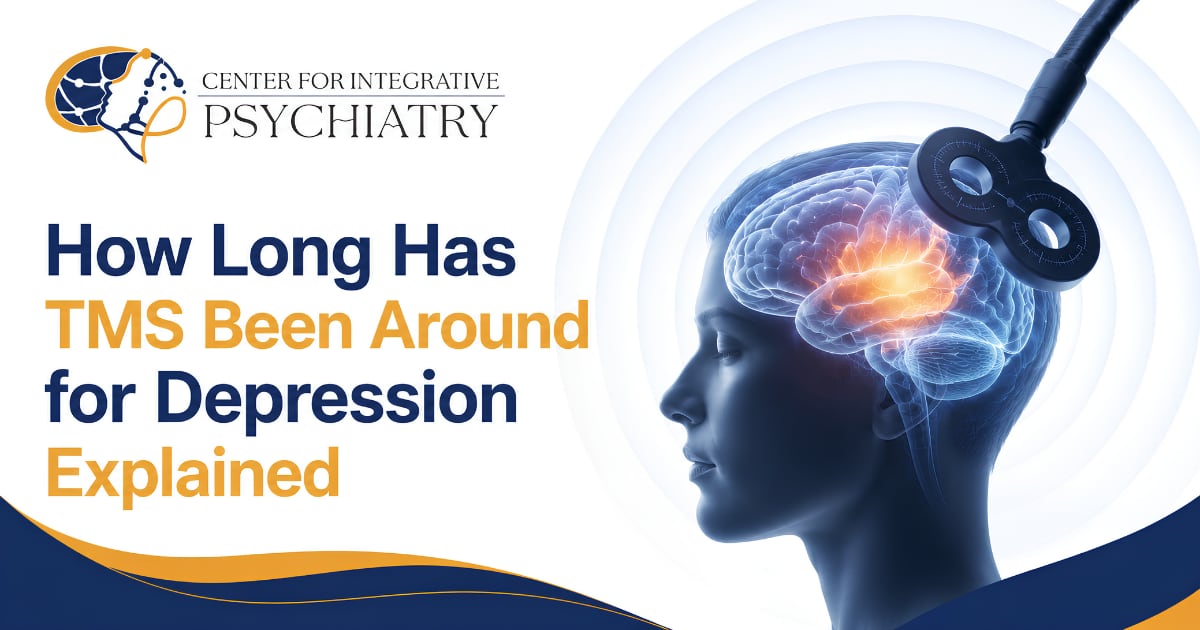
Transcranial Magnetic Stimulation (TMS) is a non-invasive, FDA-approved treatment that uses targeted magnetic fields to stimulate nerve cells in specific areas of the brain. TMS is most commonly used for major depressive disorder, but research also shows effectiveness for anxiety, OCD, PTSD, and other mood-related conditions. By modulating neural activity, TMS helps restore healthy brain function and improve symptoms, particularly for patients who have not responded fully to traditional treatments. Learn more about our TMS Therapy Services in Dallas.
How Does TMS Work?
TMS targets brain regions responsible for mood regulation, cognition, and emotional processing. Magnetic pulses from the TMS device stimulate neurons in these areas, improving neural connectivity and enhancing overall brain function. This biological regulation of brain activity can complement psychotherapy and other therapies, supporting a more comprehensive approach to mental health care.
Combining TMS with Psychotherapy
While TMS is effective on its own, combining it with psychotherapy—also known as talk therapy—addresses both the biological and psychological factors contributing to mental health symptoms. Psychotherapy helps patients identify and challenge negative thought patterns, process past trauma or stressors, develop practical coping strategies, and make positive lifestyle changes. When integrated with TMS, psychotherapy can maximize symptom improvement by targeting the underlying emotional and behavioral factors, while TMS regulates neural activity in critical brain regions. Patients seeking advanced psychiatric care in Dallas can explore our Psychotherapy Services alongside TMS therapy for the best outcomes.
Combining TMS with Other Therapies
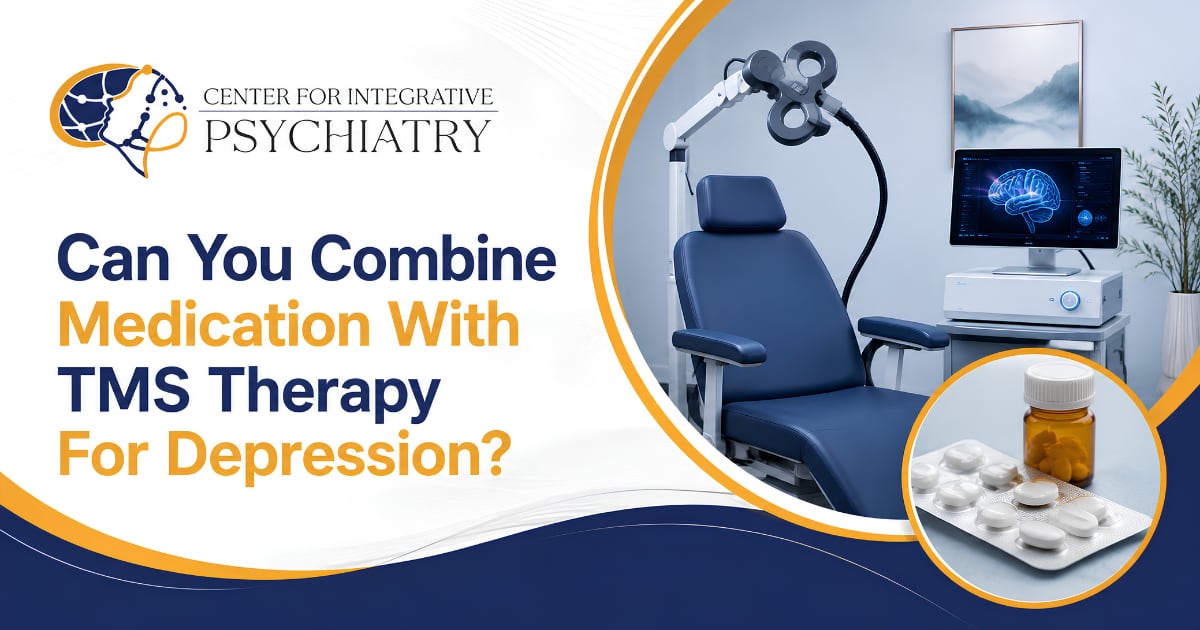
At Texas CIP, we also integrate other evidence-based treatments with TMS and psychotherapy for a fully holistic mental health approach: Medication Management: Our psychiatric providers work closely with patients to find the optimal medications and dosages to manage depression, anxiety, or other conditions. Mindfulness-Based Therapies: Techniques like Mindfulness-Based Cognitive Therapy (MBCT) support emotional regulation, reduce anxiety, and improve resilience. Nutritional Counseling: Nutrition can directly influence brain health. Our registered dietitian and health coach create personalized nutrition plans to support mental well-being. By combining these therapies, patients in Dallas receive a comprehensive, multi-dimensional mental health program that addresses physical, emotional, and psychological wellness.
Why Holistic Treatment Matters
Mental health is complex, often influenced by biological, psychological, and lifestyle factors. A treatment plan that addresses only one aspect may not provide lasting results. By integrating TMS with psychotherapy, medication management, and supportive therapies, patients can experience faster and more sustained symptom relief, develop long-term coping strategies, and improve overall quality of life. This integrative approach aligns with EEAT principles, demonstrating expertise, clinical experience, and trustworthiness in mental health treatment.
Conclusion and Next Steps
Combining TMS with psychotherapy and other therapies provides a holistic, evidence-based approach for depression, anxiety, OCD, and other mental health conditions. At Texas Center for Integrative Psychiatry, our Dallas-based team offers personalized care tailored to each patient’s unique needs. If you are looking for the best psychiatrist in Dallas or want to explore how TMS and integrative therapies can help you achieve mental wellness, contact us today through our Contact Page or schedule a consultation. Our experienced clinicians are here to guide you on a path to improved mood, reduced anxiety, and long-term mental health. Stay tuned for our next blog, where we will explore how TMS can be personalized for individual treatment plans and what patients can expect during each session.
- Hoffman, R. (2021). Transcranial magnetic stimulation (TMS) therapy in the treatment of anxiety disorders. Journal of Clinical Psychology, 77(5), 1059-1071. doi: 10.1002/jclp.23070
- Dunner, D. L., Aaronson, S. T., Sackeim, H. A., Janicak, P. G., Carpenter, L. L., Boyadjis, T., Brock, D. G., Cook, I. A., Lanocha, K., Solvason, H. B., & Bonneh-Barkay, S. (2014). A multisite, naturalistic, observational study of transcranial magnetic stimulation for patients with pharmacoresistant major depressive disorder: Durability of benefit over a 1-year follow-up period. The Journal of Clinical Psychiatry, 75(12), 1394-1401. doi: 10.4088/JCP.13m08855
- Kedzior, K. K., Reitz, S. K., & Azorina, V. (2015). More than a symptom score: an integrative review of TMS/eTMS studies on depression. BMC Psychiatry, 15(1), 1-17. doi: 10.1186/s12888-015-0393-8
- O’Reardon, J. P., Solvason, H. B., Janicak, P. G., Sampson, S., Isenberg, K. E., Nahas, Z., McDonald, W. M., Avery, D., Fitzgerald, P. B., Loo, C., Demitrack, M. A., George, M. S., & Sackeim, H. A. (2007). Efficacy and safety of transcranial magnetic stimulation in the acute treatment of major depression: a multisite randomized controlled trial. Biological Psychiatry, 62(11), 1208-1216. doi: 10.1016/j.biopsych.2007.01.018
This article is for education and general information. It isn't a substitute for individual medical advice, diagnosis, or treatment from a qualified clinician.
Webmaster
Articles on this blog are educational resources from the Center for Integrative Psychiatry, a multidisciplinary clinic offering evidence-based psychiatry, therapy, TMS, and integrative care for Texans since 2015. They are not medical advice — always talk with your own clinician about your care.
Meet the CIP team