
Transcranial Magnetic Stimulation (TMS) is gaining attention as an innovative treatment option for mental health conditions, including anxiety. Many people who have struggled with anxiety disorders are seeking alternative treatments beyond medication and traditional therapy. TMS for anxiety has emerged as a promising solution, but how effective is it really?
In this article, we’ll explore the effectiveness of TMS therapy for anxiety, discuss TMS success rates for anxiety, and share real-life experiences from people who believe TMS saved my life from anxiety. We’ll also cover what you can expect from TMS treatment and review some of the most common questions about this therapy.
What is TMS Therapy?
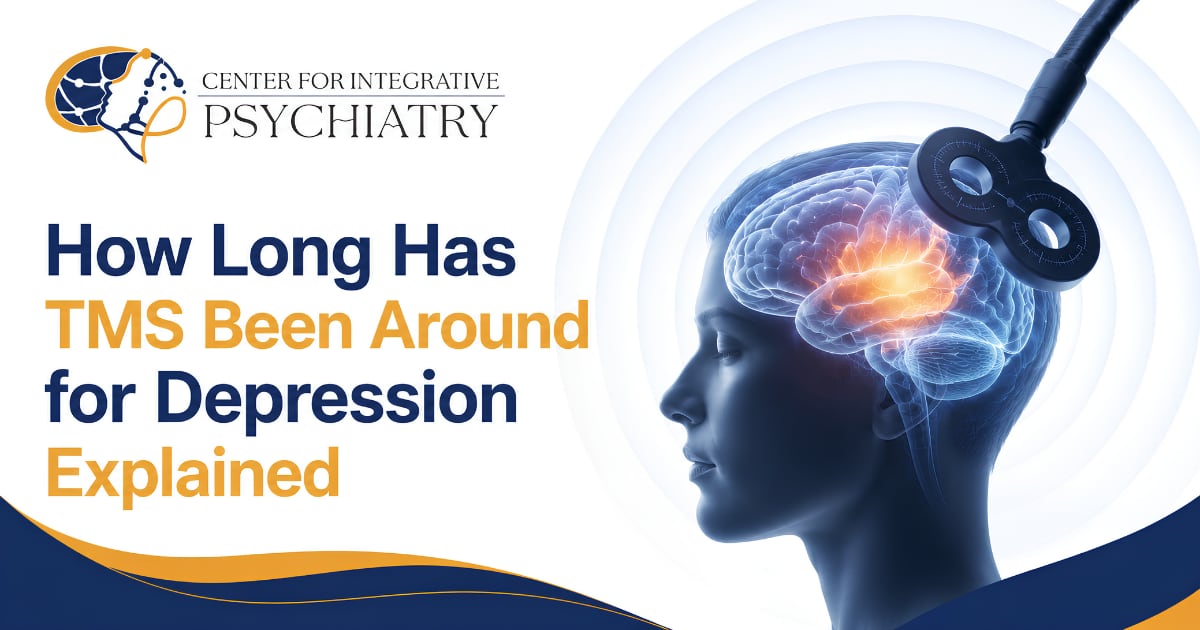
Transcranial Magnetic Stimulation (TMS) is a non-invasive procedure that uses magnetic fields to stimulate nerve cells in the brain. Originally developed as a treatment for depression, TMS has shown promise in treating other mental health disorders, including anxiety. The therapy involves placing a magnetic coil near the scalp, which delivers targeted pulses to areas of the brain associated with mood regulation.
How Does TMS Work for Anxiety?
While the exact mechanisms of how TMS works for anxiety are still being studied, it is believed that the magnetic pulses help to modulate activity in the prefrontal cortex, the area of the brain responsible for mood regulation. By influencing neural activity, TMS can help to reduce symptoms of anxiety, such as excessive worrying, panic attacks, and avoidance behaviors.
Does TMS Work for Anxiety?
The question on many people’s minds is, does TMS work for anxiety? Research and clinical trials have provided promising results. While TMS was initially approved by the FDA for treating depression, many patients and healthcare providers have observed significant reductions in anxiety symptoms as well. Several studies have indicated that TMS can be an effective treatment for generalized anxiety disorder (GAD) and other anxiety-related conditions, especially when other treatments have failed.
TMS for Anxiety Disorder: Understanding the Effectiveness
TMS therapy has been particularly effective for patients who have not responded well to traditional treatments such as medication and cognitive-behavioral therapy (CBT). For those suffering from severe anxiety, TMS offers a new avenue of hope.
How Effective is TMS for Anxiety?
How effective is TMS for anxiety? The effectiveness of TMS therapy varies from person to person, but many studies have reported positive outcomes. According to a study published in the Journal of Clinical Psychiatry, patients receiving TMS for anxiety showed a significant reduction in symptoms, with many experiencing remission. Some key points to consider include:
- Symptom Reduction: Many patients report a noticeable reduction in anxiety symptoms after completing a course of TMS therapy.
- Sustained Improvement: Some patients experience long-lasting relief from anxiety, though maintenance sessions may be required.
- Non-Invasive and Drug-Free: TMS is a non-invasive treatment that does not involve the use of medication, making it an appealing option for those who have experienced side effects from drugs.
TMS Success Rate for Anxiety
The TMS success rate for anxiety is encouraging, with many studies reporting positive outcomes. While success rates can vary, some studies suggest that up to 50-60% of patients experiences significant improvement in their anxiety symptoms. For some, this translates into complete remission, while others may find that TMS helps to reduce the severity and frequency of their symptoms.
Real-Life Experiences: TMS Saved My Life from Anxiety
For many individuals, TMS therapy has been life-changing. Numerous patients have shared their stories, saying TMS saved my life from anxiety. These testimonials highlight the profound impact that TMS can have on those struggling with anxiety disorders.
TMS for Anxiety Reviews
TMS for anxiety reviews are generally positive, with many patients reporting significant improvements in their quality of life. Here are some common themes from patient reviews:
- Improved Daily Functioning: Many patients report that TMS has helped them regain control over their lives, allowing them to engage in daily activities without being overwhelmed by anxiety.
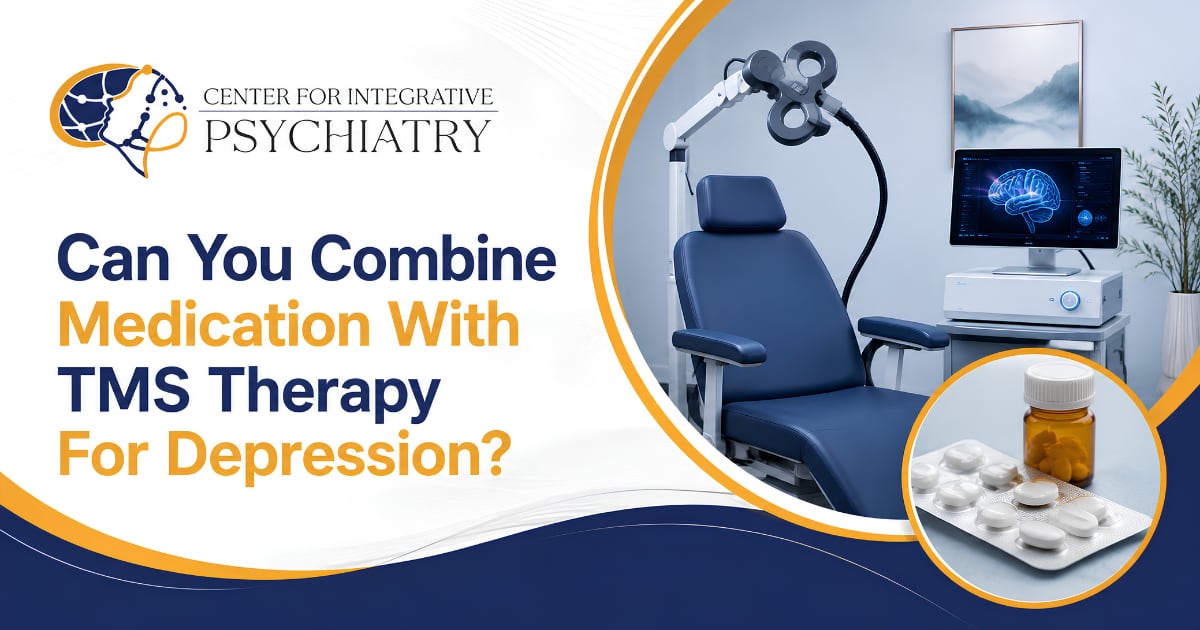
- Reduction in Medication: Some individuals have been able to reduce or eliminate their need for anxiety medications after undergoing TMS therapy.
- Minimal Side Effects: Unlike some medications, TMS is generally well-tolerated, with few side effects reported. Some patients experience mild scalp discomfort or headaches, but these symptoms typically resolve quickly.
What to Expect During TMS Therapy for Anxiety
If you’re considering TMS therapy for anxiety, it’s important to know what to expect. The treatment process typically involves the following steps:
- Initial Consultation: Before starting TMS, you’ll have an initial consultation with a healthcare provider to determine if TMS is a suitable treatment option for you.
- Treatment Sessions: TMS therapy usually involves multiple sessions, typically 5 days a week for 4 to 6 weeks. Each session lasts about 30 to 40 minutes.
- No Downtime: TMS is a non-invasive procedure, so you can return to your normal activities immediately after each session.
- Monitoring Progress: Your progress will be monitored throughout the treatment course, and adjustments may be made as needed to ensure the best possible outcome.
Does TMS Work for Anxiety? A Comprehensive Overview
The evidence supporting TMS for anxiety is growing, with many patients experiencing significant improvements in their symptoms. Does TMS work for anxiety? The answer is yes for many people, especially those who have not found relief through other treatments. However, as with any treatment, individual results may vary, and it’s important to have realistic expectations.
Who is a Good Candidate for TMS Therapy?
TMS therapy may be a good option for individuals who:
- Have not responded to traditional treatments: If medications and therapy have not been effective, TMS may provide an alternative solution.
- Prefer a non-invasive treatment: TMS does not involve surgery or medication, making it a suitable option for those looking for a less invasive approach.
- Are experiencing moderate to severe anxiety: TMS is often used for individuals with more severe forms of anxiety, particularly when other treatments have failed.
Conclusion
TMS for anxiety is an emerging and promising treatment option for those struggling with anxiety disorders. With a growing body of evidence supporting its effectiveness, many patients have found relief through TMS therapy. Whether you’re considering TMS as a first-line treatment or as an alternative after other methods have failed, it’s essential to consult with a qualified healthcare provider to determine if TMS is right for you.
Contact Us
If you’re interested in learning more about TMS therapy for anxiety or would like to schedule a consultation, please contact the Center for Integrative Psychiatry™ today at 1-877-283-5336. Our experienced team is here to help you explore your treatment options and find the best path to recovery.
Medical Disclaimer
The information provided in this article is for educational purposes only and is not intended as medical advice. Please consult with a qualified mental healthcare provider or reach out to us the Center for Integrative Psychiatry™ before starting any new treatment or therapy.
Frequently Asked Questions (FAQ)
Q: How effective is TMS for anxiety?
A: TMS therapy has shown promising results, with many patients experiencing significant reductions in anxiety symptoms and an improved quality of life.
Q: What is the success rate of TMS for anxiety?
A: The success rate varies, but studies suggest that 50-60% of patients see a significant improvement in their anxiety symptoms after TMS therapy.
Q: Can TMS therapy help if other treatments have failed?
A: Yes, TMS is often used as an alternative treatment for individuals who have not found relief from anxiety through traditional methods like medication and therapy.
Q: Are there any side effects of TMS therapy?
A: TMS is generally well-tolerated, with minimal side effects. Some patients may experience mild discomfort at the treatment site or headaches, but these are typically short-lived.
Q: How long does it take to see results from TMS therapy?
A: Some patients notice improvements within a few weeks of starting TMS therapy, while others may take longer. The full benefits are often seen after completing the entire course of treatment.
This article is for education and general information. It isn't a substitute for individual medical advice, diagnosis, or treatment from a qualified clinician.
Webmaster
Articles on this blog are educational resources from the Center for Integrative Psychiatry, a multidisciplinary clinic offering evidence-based psychiatry, therapy, TMS, and integrative care for Texans since 2015. They are not medical advice — always talk with your own clinician about your care.
Meet the CIP team