
For many individuals struggling with persistent mental health challenges, traditional medications often feel like a double-edged sword. While they can provide relief, the side effects ranging from weight gain to “brain fog” can sometimes be as burdensome as the condition itself. This is why tms is rapidly becoming a preferred choice for those seeking a non-systemic, drug-free path to wellness.
At Texas CIP, we utilize advanced tms therapy to help patients “reset” their brain chemistry using the power of magnetic fields. If you’ve tried multiple antidepressants without success, you may be wondering: how exactly does a magnet treat a clinical mood disorder?
What Is TMS Treatment and How Does It Work?
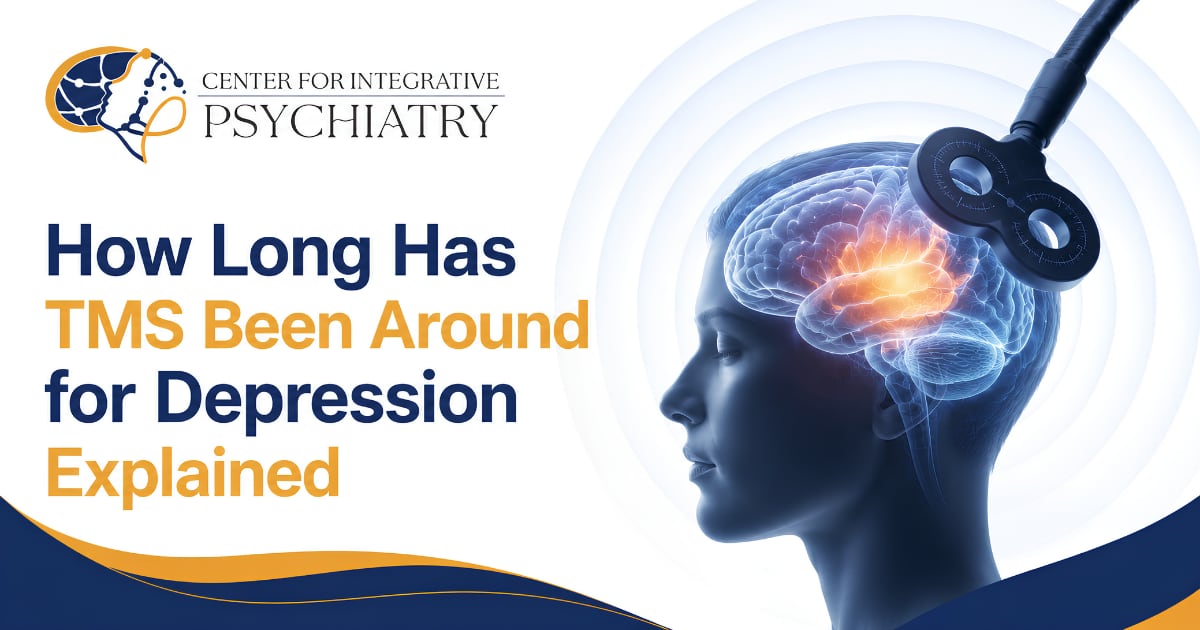
tms, or Transcranial Magnetic Stimulation, is an FDA-cleared, non-invasive procedure that uses magnetic pulses to stimulate nerve cells in the brain. Unlike medications that travel through your bloodstream and affect your entire body, tms treatment is highly targeted.
The procedure involves placing a magnetic coil against the scalp. This coil delivers focused electromagnetic pulses to specific regions of the brain known to be underactive in people with depression or overactive in those with OCD. These pulses induce small electrical currents that “wake up” neural pathways, encouraging the brain to release natural neurotransmitters like dopamine, serotonin, and norepinephrine.
- Non-Invasive: No surgery, no anesthesia, and no needles.
- Non-Systemic: It does not enter the bloodstream, meaning no systemic side effects.
- Convenient: Sessions typically last 20–30 minutes, and you can drive yourself home immediately after.
Understanding TMS For Depression: A Game Changer
The most common application for this technology is tms for depression. For individuals with Major Depressive Disorder (MDD) who haven’t seen results from talk therapy or pharmaceuticals, tms therapy for depression offers a significant success rate.
Research shows that nearly 50–60% of people with treatment-resistant depression experience a meaningful reduction in symptoms, with many achieving full remission. Because tms treatment for depression targets the prefrontal cortex, the area responsible for mood regulation it addresses the biological root of the “low” feeling rather than just masking the symptoms.
At Texas CIP, we integrate tms into a broader care plan that may include Functional Psychiatry and Life Coaching. We believe that once the “fog” of depression is lifted by the magnetic pulses, patients are much more capable of engaging in the behavioral changes that lead to long-term happiness.
Clinical Fact: Many insurance providers now cover tms therapy for depression specifically for patients who have failed to see improvement after trying two or more antidepressant medications.
Can TMS Help With OCD and Anxiety?
While it is most famous for mood disorders, tms is also FDA-cleared for the treatment of Obsessive-Compulsive Disorder (OCD). For patients with OCD, the magnetic pulses are directed at the deeper motor cortex and anterior cingulate cortex to help “quiet” the intrusive thoughts and repetitive urges that characterize the condition.
Regarding anxiety, while research is ongoing, many patients report a significant reduction in Generalized Anxiety Disorder (GAD) symptoms during their course of tms treatment. By stabilizing the brain’s emotional processing centers, the “fight or flight” response becomes less reactive, allowing for a calmer daily experience.
| Feature | Medication | TMS Therapy |
| Method | Chemical / Systemic | Magnetic / Localized |
| Side Effects | Weight gain, nausea, fatigue | Mild scalp discomfort (temporary) |
| Anesthesia | None | None |
| Treatment Duration | Daily for years | 6-week initial cycle |
| Efficacy in Resistance | Low | High |
Why Choose TMS Treatment Over Traditional Meds?
The primary reason patients search for tms therapy near me is the desire to avoid the “zombie” feeling often associated with high-dose psychiatric drugs. Because the brain is an electrochemical organ, treating it with targeted electricity (via magnetism) is often more precise than “flooding” it with chemicals.
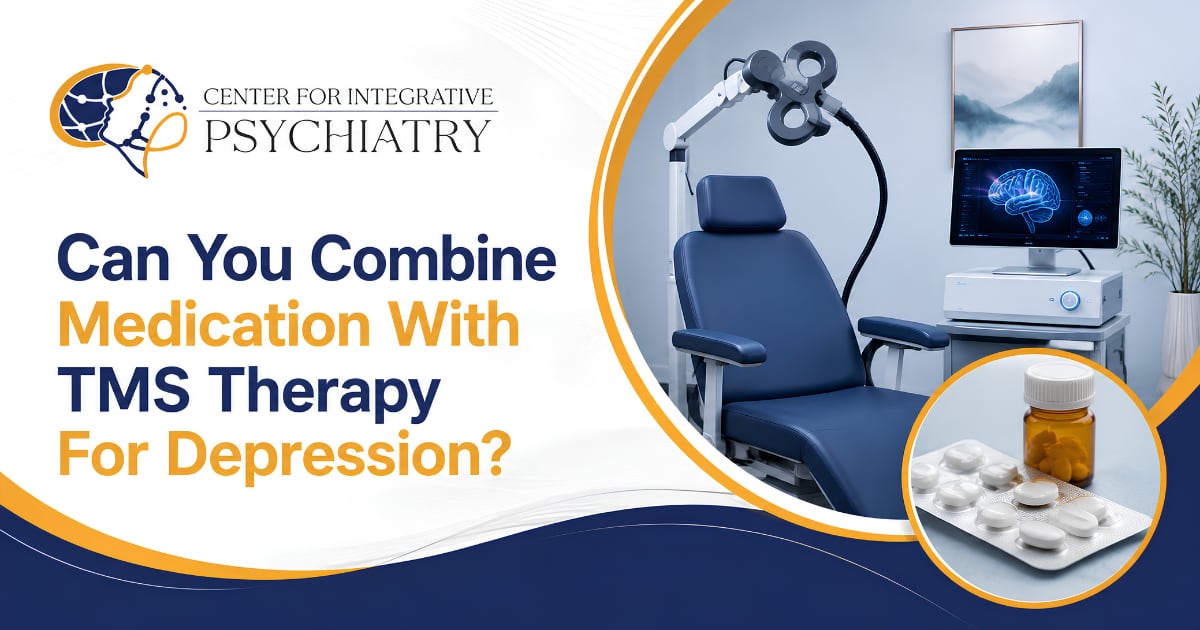
Furthermore, tms has a durable effect. Unlike medication, which you must take every day to maintain results, a standard 6-week course of tms therapy can lead to symptom relief that lasts for many months or even years. At Texas CIP, we monitor your progress through our Medication Management Center to see if we can safely reduce or eliminate your oral prescriptions as the treatment progresses.
- No “brain fog” or memory impairment.
- No interference with other medical treatments for Cardiac Care or Respiratory issues.
- Safe for use alongside other therapies like Cognitive Behavioral Therapy (CBT).
The Texas CIP Integrated Approach To TMS
What sets Texas CIP apart is that we are more than just a tms clinic. We are a comprehensive medical and psychiatric hub. We understand that mental health is deeply connected to physical health.
When you come to us for tms therapy, you are supported by:
- Functional Psychiatry: We check for underlying issues like gut health or vitamin deficiencies that might be hindering your recovery.
- Emergency/Urgent Care: Our on-site ER provides safety for those in acute crisis, including those dealing with Schizophrenia & Psychosis or Trauma.
- Nutritional Psychiatry: We help you fuel your brain with the right nutrients to support the neuroplasticity triggered by the magnets.
- Life Coaching: We help you build a new life once your symptoms are under control.
Finding TMS Therapy Near Me In Texas
If you are a resident of Texas looking for high-quality tms treatment, Texas CIP offers convenient locations and a dedicated team of specialists. We understand that starting a new treatment can be intimidating, which is why we offer a thorough consultation process to determine if you are a good candidate.
Our use of Telehealth also allows for regular follow-ups and psychiatric evaluations, making your journey as seamless as possible. Whether you are in a major city or a more rural area, we are committed to bringing the latest in psychiatric technology to your doorstep.
- Expert Clinicians: Our psychiatrists are specifically trained in the latest tms protocols.
- Safe Environment: 24/7 medical support available via our Urgent Care facility.
- Comprehensive Care: From Pediatric Care to support for Grief & Loss, we treat the whole family.
Conclusion
tms represents a revolutionary shift in how we approach mental health. By moving away from purely chemical solutions and toward targeted, biological stimulation, we can offer hope to those who thought they were “untreatable.” Whether you are seeking tms for depression, OCD relief, or a way to manage anxiety without pills, this technology provides a safe, effective, and evidence-based alternative. At Texas CIP, we are proud to be at the forefront of this movement, providing the integrated care you need to thrive.
Would you like to schedule a free 15-minute phone screening to see if you are a candidate for TMS therapy?
Disclaimer
The information provided in this blog is for educational purposes only and is not intended to be a substitute for professional medical advice, diagnosis, or treatment. TMS is not suitable for individuals with certain metal implants in the head or neck. Always seek the advice of your physician or other qualified health provider with any questions you may have regarding a medical condition.
This article is for education and general information. It isn't a substitute for individual medical advice, diagnosis, or treatment from a qualified clinician.
Webmaster
Articles on this blog are educational resources from the Center for Integrative Psychiatry, a multidisciplinary clinic offering evidence-based psychiatry, therapy, TMS, and integrative care for Texans since 2015. They are not medical advice — always talk with your own clinician about your care.
Meet the CIP team