Traumatic experiences can leave your nervous system in a state of constant, exhausting survival mode. Traditional talk therapies do not always soothe the deep physical responses triggered by traumatic memories. Are you wondering if neurofeedback for ptsd can help quiet your hyperactive fear responses? This innovative brain training modality offers a safe and lasting path toward emotional freedom.
At Texas CIP, we help you overcome debilitating trauma through integrative psychiatric and neurological care. Our expert clinical team provides specialized Mental Health Therapy to help patients process difficult emotional experiences. We combine advanced treatments like Neurofeedback and TMS with traditional tools like Medication Management and secure Telehealth.
Under professional clinical guidance, our team also offers Functional Psychiatry, Naturopathy, and Nutritional Psychiatry. Whether your trauma is tied to PTSD, Anxiety Disorders, Depression, Bipolar Disorder, or ADHD, we build personalized care plans designed for your unique recovery goals.
Understanding How Neurofeedback Therapy For PTSD Calms The Nervous System
Trauma changes the physical structure and electrical patterns of your brain. When you experience a threat, your brain triggers a defensive survival response to protect you. For individuals with trauma, this response does not turn off when the threat is gone. This leaves you trapped in a state of constant hyperarousal, leading to chronic anxiety and flashbacks.
Using non-invasive neurofeedback therapy for ptsd allows us to address these electrical imbalances directly. Rather than forcing chemical changes, this therapy helps the brain recognize its own hyperactive patterns and learn to self-regulate. Over time, your central nervous system shifts out of survival mode and into a state of natural rest. Working with a skilled clinician helps you build long-term emotional resilience.
When your nervous system is balanced, you will notice significant improvements in your daily functioning. Retraining your brainwaves typically leads to several long-term physical changes:
- Reducing Physiological Hyperarousal: Calming the physical symptoms of panic, such as a racing heart and shallow breathing.
- Improving Daily Sleep Quality: Quieting nighttime hypervigilance so you can fall asleep and stay asleep naturally.
- Enhancing Focus And Clarity: Clearing the mental fog often caused by chronic, trauma-induced stress.
- Stabilizing Emotional Responses: Minimizing sudden shifts in mood and reducing the frequency of severe panic attacks.
The Science Behind Neurofeedback For Trauma Recovery
Clinical research demonstrates that trauma disrupts the natural communication pathways between the emotional and cognitive parts of the brain. The amygdala, which acts as the brain's alarm system, becomes highly overactive. At the same time, the prefrontal cortex, responsible for logical thinking, struggles to regulate these emotional surges. This imbalance not only makes it difficult to feel safe but can also affect memory and concentration, highlighting how trauma can influence cognitive function over time.
Our approach utilizes targeted neurofeedback for trauma to retrain these disrupted communication loops. The brain receives real-time visual and auditory feedback based on its current brainwave activity, allowing it to reward calm states. This reward system encourages the brain to build new, healthier neural pathways.
To maximize the benefits of this therapy, we also assess your physical biological systems. Our providers utilize functional psychiatry and nutritional psychiatry to evaluate underlying nutritional deficiencies or biochemical imbalances. Supporting your body with the correct nutrients ensures your brain has the energy required to build and sustain these new neural connections.
How Neurofeedback For Complex PTSD Targets Long-Term Trauma
Complex PTSD often develops from repeated, long-term trauma, such as childhood neglect or ongoing abuse. This chronic trauma shapes your brainwaves differently than a single traumatic event. Individuals dealing with complex trauma frequently experience profound feelings of shame, detachment, and difficulty managing relationships.
We utilize highly customized protocols when applying neurofeedback for complex ptsd. Because complex trauma affects multiple brain regions, a single protocol is rarely enough. Our clinical experts adjust the training parameters to address both deep-seated emotional distress and physical hypervigilance. By calming multiple areas of the brain simultaneously, we help you process complex emotions without feeling overwhelmed or shut down.
What Makes This The Best Neurofeedback For PTSD Protocols
To achieve lasting clinical results, your brain training sessions must be customized to your specific neurobiology. A standardized, one-size-fits-all approach can occasionally cause overstimulation or increased anxiety. The best neurofeedback for ptsd protocols always begins with a comprehensive quantitative EEG brain map to locate exact electrical imbalances.
At Texas CIP, we combine physical brain training with supportive mental health services to ensure a holistic recovery. We integrate neurofeedback with evidence-based Mental Health Therapy, Life Coaching, and secure telehealth consults. This dual approach helps you process emotional breakthroughs while physically calming your overstimulated nervous system. Our clinical team works collaboratively to support your recovery through a variety of advanced, multi-specialty strategies:
- Comprehensive Brain Mapping: Utilizing non-invasive sensors to record your baseline brainwave patterns and target specific imbalances.
- Real-Time Sensory Feedback: Engaging with visual or auditory stimuli that respond directly to your real-time brain activity.
- Integrative Psychiatric Coordination: Safely managing other clinical interventions, such as Medication Management or TMS, alongside your brain training.
- Holistic Lifestyle Integration: Incorporating Naturopathy and physical wellness strategies to support your nervous system outside of sessions.
Accessing Neurofeedback For PTSD Texas Residents Can Trust
If you are searching for high-quality care, finding a multi-specialty clinical home is highly important. Looking for neurofeedback for ptsd near me will lead you to our advanced facility. Our board-certified clinicians possess specialized training to guide you through your trauma recovery safely.
We provide a supportive, medical environment where you can access premier neurofeedback for ptsd Texas services. Our team works with you to design a clinical pathway that honors your unique mental and physical health goals. Through our secure Telehealth platform, we make it easy to manage your clinical consultations and coordinate care from home. We treat co-occurring struggles, including Depression, OCD, ADHD, Bipolar Disorder, and Schizophrenia & Psychosis, under one centralized medical roof.
Reclaiming Your Inner Peace And Healing From Trauma
Choosing to address trauma is a brave step toward restoring your quality of life. Utilizing neurofeedback for ptsd offers a non-invasive, drug-free way to calm your nervous system and reclaim control over your mind. Our team at Texas CIP is fully committed to providing the highly personalized, integrative care you need to build lasting emotional stability.
Are you ready to silence your hyperactive survival responses and live with authentic confidence and peace? Contact Texas CIP today to schedule your comprehensive clinical consultation.
Frequently asked questions
- Who should consider using neurofeedback for ptsd?
- Anyone who struggles with chronic trauma symptoms, panic attacks, flashbacks, hypervigilance, or co-occurring conditions like Anxiety Disorders and Depression can benefit from this non-invasive therapy.
- What occurs during a session of neurofeedback therapy for ptsd?
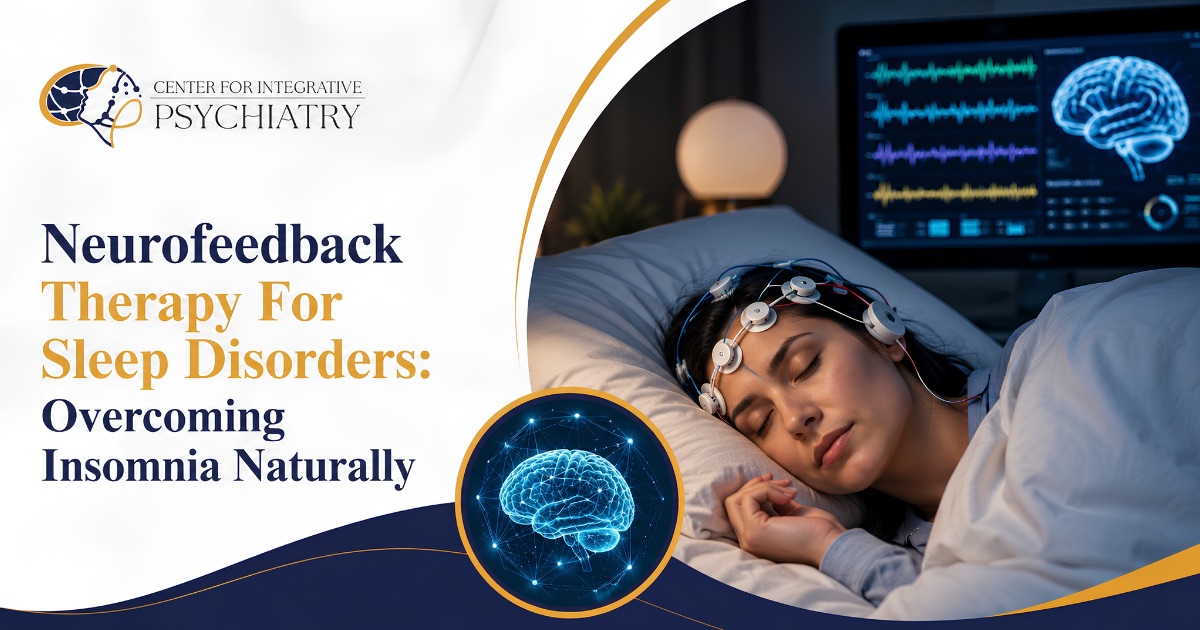
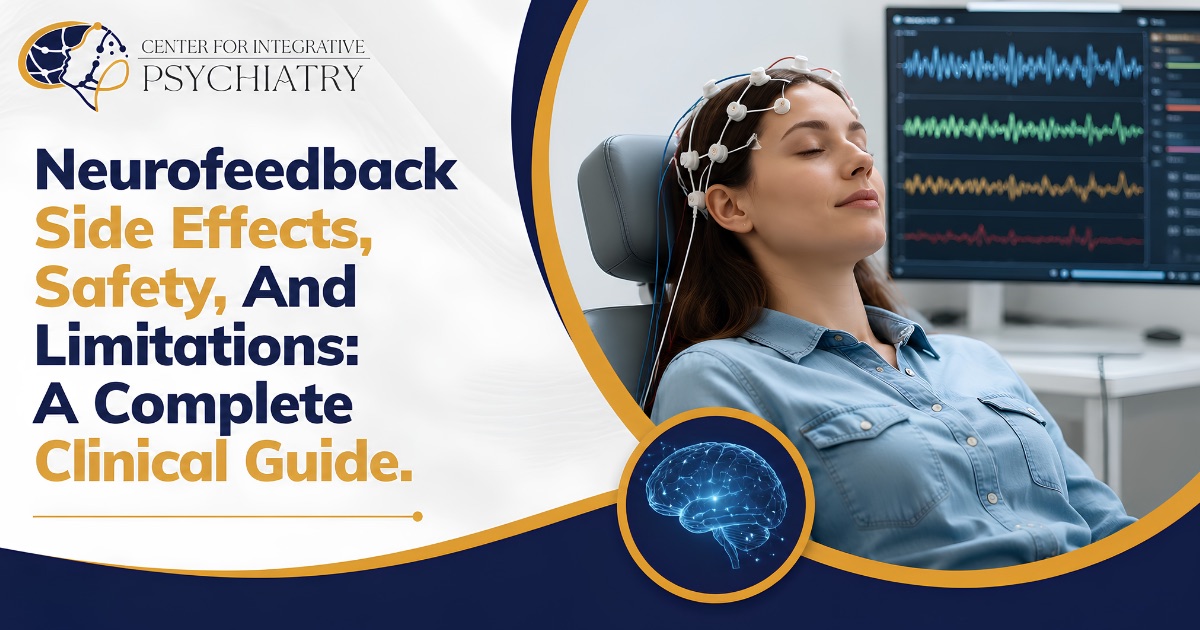
- During a session, a clinician places non-invasive sensors on your scalp to monitor brainwaves. The software provides real-time rewards, such as visual changes on a screen, when your brain produces calm patterns.
- When do the effects of neurofeedback for trauma begin to show?
- Most clients begin to notice positive changes, such as improved sleep and lower daily anxiety, within ten to fifteen consistent training sessions.
- Where can I access the best neurofeedback for ptsd Texas has to offer?
- You can access these specialized services at Texas CIP. We combine brainwave training with holistic psychiatric care both in-person and through our secure Telehealth platform.
- Why is neurofeedback for complex ptsd highly effective compared to talk therapy alone?
- It is highly effective because it directly targets the physical, unconscious survival networks in the brain, helping you feel physically safe before you attempt to process traumatic memories logically.
- How does a clinician customize neurofeedback for ptsd near me?
- A clinical professional uses a quantitative EEG brain map to locate the precise areas of electrical dysregulation in your brain and creates a custom program tailored to your unique trauma symptoms.
This article is for education and general information. It isn't a substitute for individual medical advice, diagnosis, or treatment from a qualified clinician.
Webmaster
Articles on this blog are educational resources from the Center for Integrative Psychiatry, a multidisciplinary clinic offering evidence-based psychiatry, therapy, TMS, and integrative care for Texans since 2015. They are not medical advice — always talk with your own clinician about your care.
Meet the CIP team