Brain training has become highly popular for managing complex mental health challenges. Many individuals wonder about neurofeedback side effects before starting their therapeutic journey. Are there hidden risks to this non-invasive neural retraining technique? Understanding these safety aspects helps you make informed medical decisions.
At Texas CIP, we help you navigate advanced neurological care safely and effectively. Our dedicated team integrates expert Mental Health Therapy with supportive tools like Medication Management and secure Telehealth. We offer innovative options including TMS, Functional Psychiatry, and Nutritional Psychiatry under professional supervision. If you are dealing with Bipolar Disorder, PTSD, ADHD, or severe Anxiety Disorders, our providers are ready to help. Our clinic ensures you receive personalized plans to support your physical brain health.
What Are The Common Neurofeedback Side Effects?
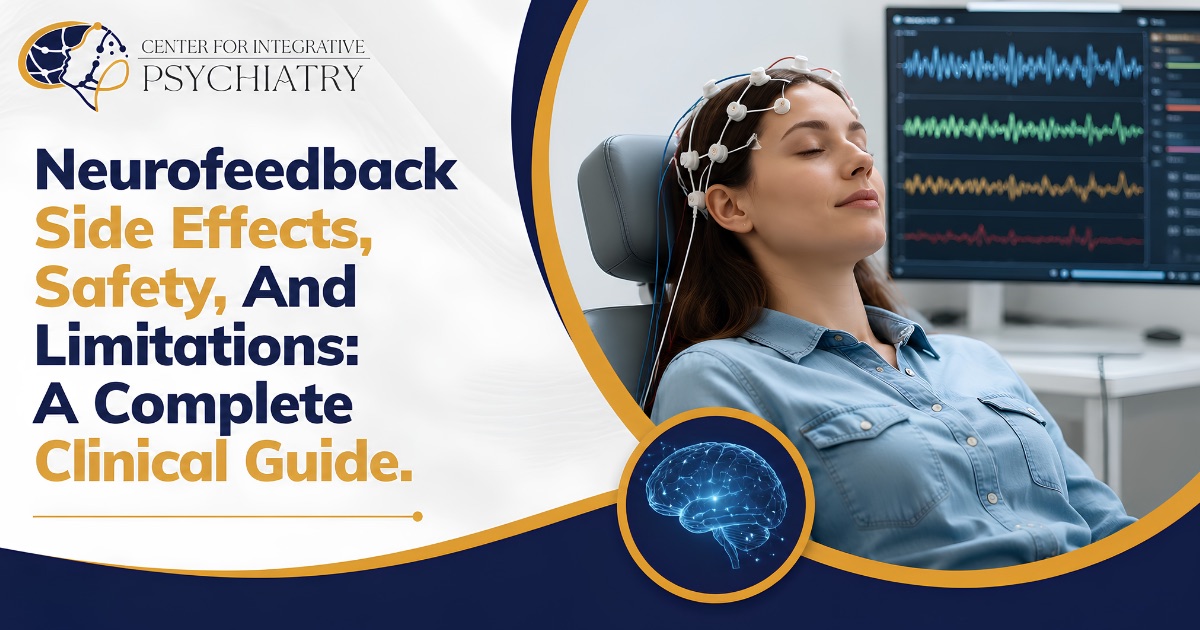
Neurofeedback is a non-pharmacological approach that teaches the brain to self-regulate by monitoring brainwave activity. If you are new to this treatment, learning how neurofeedback therapy works and what to expect can provide a helpful foundation before exploring its potential side effects. While this training is generally well-tolerated, some clients may experience mild, transient physical responses. These symptoms are typically short-lived and occur as the brain adjusts to new processing patterns.
Understanding the potential side effects of neurofeedback allows you to prepare for your initial sessions. Most reactions occur immediately after training and resolve naturally within a few hours. The most common responses reported by clinical patients include:
- Mild Headaches: Temporary head pressure can occur as specific brain regions are stimulated during training.
- Mental Fatigue: The brain exercises intensely during a session, which can cause temporary sleepiness or exhaustion.
- Brief Muscle Tension: Some patients experience temporary tightness in the jaw or neck during active focus.
- Temporary Anxiety: Shifting brainwave frequencies can occasionally trigger a brief wave of nervousness or irritability.
- Disrupted Sleep: Training late in the day may temporarily alter your sleep patterns for a night or two.
Understanding The Secondary Neurofeedback Therapy Side Effects
When analyzing neurofeedback therapy side effects, it is vital to recognize that your brain is undergoing a physical workout. Just as physical therapy can leave muscles feeling sore, neural retraining can temporarily drain your energy. These responses are actually indicators that the brain is responding to the stimulus and reorganizing its pathways.
At Texas CIP, we look at these physiological responses through a holistic lens. We utilize naturopathy and nutritional psychiatry to ensure your body has the biochemical resources to adapt to these neurological shifts. Providing your brain with proper amino acids and nutrients minimizes discomfort. Our clinical staff closely monitors your progress to ensure your training remains within safe boundaries.
To keep your brain training comfortable and safe, clinicians evaluate several physiological factors. The intensity of your post-session response often depends on these specific elements:
- Overall Physical Hydration: Dehydrated brain tissue is much more prone to post-training headaches.
- Daily Nutritional Intake: Proper glucose and protein levels are essential to fuel the brain during active self-regulation.
- Pre-Existing Fatigue Levels: Starting a session while highly sleep-deprived can amplify post-training mental exhaustion.
- Session Length And Frequency: Overtraining the brain for too long can trigger temporary cognitive overload.
Is Neurofeedback Safe For Long-Term Brain Training?
When exploring alternative therapies for conditions like Obsessive Compulsive Disorder (OCD) or Depression, safety is a top priority. Many patients ask, is neurofeedback safe for individuals of all ages? Clinical research confirms that neurofeedback is highly safe because it does not introduce external chemicals or electrical currents into the brain.
Instead of forcing changes, this modality simply mirrors your brainwaves back to you, allowing your central nervous system to make its own corrections. This makes it a highly desirable option for individuals who wish to avoid the heavy side effects associated with certain medications. However, professional guidance is absolutely essential to maintain this high level of safety.
To ensure your brain training remains entirely safe, our team at Texas CIP follows strict clinical protocols. We protect your neurological well-being through several protective measures:
- Comprehensive Brain Mapping: We conduct detailed quantitative EEG scans to locate your specific neurological imbalances.
- Customized Frequency Protocols: Your training is tailored specifically to your brain, avoiding a one-size-fits-all approach.
- Continuous Clinical Monitoring: A trained professional watches your brainwave data during every second of your session.
- Integrative Medical Supervision: We coordinate your training with existing Medication Management plans to prevent treatment conflicts.
Examining The Real Limitations Of Neurofeedback
While neurofeedback is a powerful tool, it is important to understand the limitations of neurofeedback. It is not a magical, instant cure for complex psychiatric disorders. It requires active mental participation, consistent attendance, and a willingness to engage in a multi-session treatment plan.
Furthermore, brain training works best when it is integrated into a broader, comprehensive mental health program. Expecting neurofeedback to resolve deep-seated emotional trauma on its own is unrealistic. It cannot replace the foundational healing that occurs during structured counseling or psychiatric care.
To achieve lasting emotional freedom, patients must address their mental wellness from multiple angles. We overcome these inherent limitations by combining brain training with our core clinical services:
- Traditional Mental Health Therapy: Processing emotional breakthroughs and behavioral patterns with a licensed counselor.
- Targeted Functional Psychiatry: Identifying underlying hormonal or biochemical imbalances that impact brain function.
- Empowering Life Coaching: Developing real-world strategies to manage stress, set healthy boundaries, and build confidence.
- Supportive Telehealth Services: Ensuring you have easy access to professional clinical check-ins from the comfort of home.
The Vital Role Of A Licensed Neurofeedback Therapist
To avoid unnecessary discomfort and ensure positive outcomes, you must work with a qualified professional. The certified neurofeedback therapists possess the specialized training required to interpret complex EEG data. They know how to adjust the feedback parameters in real time to keep your brain from becoming overstimulated.
Attempting to use unmonitored, commercial home brain-training devices can lead to increased anxiety, sleep issues, or focus problems. A licensed clinician understands how to balance your brain's left and right hemispheres safely. They ensure that your training supports your recovery rather than aggravating your underlying symptoms.
Finding A Trusted Neurofeedback Therapist Near Me
If you are ready to explore this advanced therapy, searching for a neurofeedback therapist near me is the perfect starting point. Working with a local, multi-specialty clinic ensures that your brain training is backed by a full team of medical experts.
At Texas CIP, we provide a centralized home for your entire healing journey. Whether you are dealing with ADHD, PTSD, Grief and Loss, or Schizophrenia and Psychosis, our collaborative team is here for you. We design clinical pathways that treat the whole person, merging cutting-edge neuro-technologies with deep compassionate care.
Restoring Neurological Harmony With Texas CIP
Navigating neurofeedback side effects is simple and safe when you are supported by an expert clinical team. By training your brain waves under professional guidance, you can build lasting cognitive resilience. At Texas CIP, we are committed to providing the highly personalized, high-quality care you deserve.
Are you ready to optimize your brain health and live with authentic confidence? Contact Texas CIP today to schedule your comprehensive neurological consultation.
Frequently asked questions
- Who should avoid brain training to prevent neurofeedback side effects?
- Individuals with severe, unstable psychiatric conditions, highly frequent seizures, or acute medical crises should be thoroughly evaluated by a medical specialist before starting brain training.
- What is the most common reason for experiencing side effects of neurofeedback?
- The most common reason is overstimulating the brain during a session, which can happen if the training protocols are too intense or if the session is too long for the patient's current energy levels.
- When should I contact my neurofeedback therapist about negative symptoms?
- You should reach out to your therapist if you experience persistent headaches, increased anxiety, or sleep disturbances that last longer than twenty-four hours after your training session.
- Where can I find a trusted neurofeedback therapist near me in Texas?
- You can access specialized, compassionate brain training and integrative psychiatric services both in-person and through secure Telehealth consultations at Texas CIP.
- Why is neurofeedback safe when integrated with a full mental health program?
- It is safe because a comprehensive program addresses both the physical brain patterns and the underlying emotional, nutritional, and chemical factors of your mental health simultaneously.
- How do professionals minimize the limitations of neurofeedback during clinical treatment?
- Professionals minimize these limitations by combining brainwave training with evidence-based Mental Health Therapy, Functional Psychiatry, and customized lifestyle support to ensure holistic, long-term healing.
This article is for education and general information. It isn't a substitute for individual medical advice, diagnosis, or treatment from a qualified clinician.
Webmaster
Articles on this blog are educational resources from the Center for Integrative Psychiatry, a multidisciplinary clinic offering evidence-based psychiatry, therapy, TMS, and integrative care for Texans since 2015. They are not medical advice — always talk with your own clinician about your care.
Meet the CIP team