
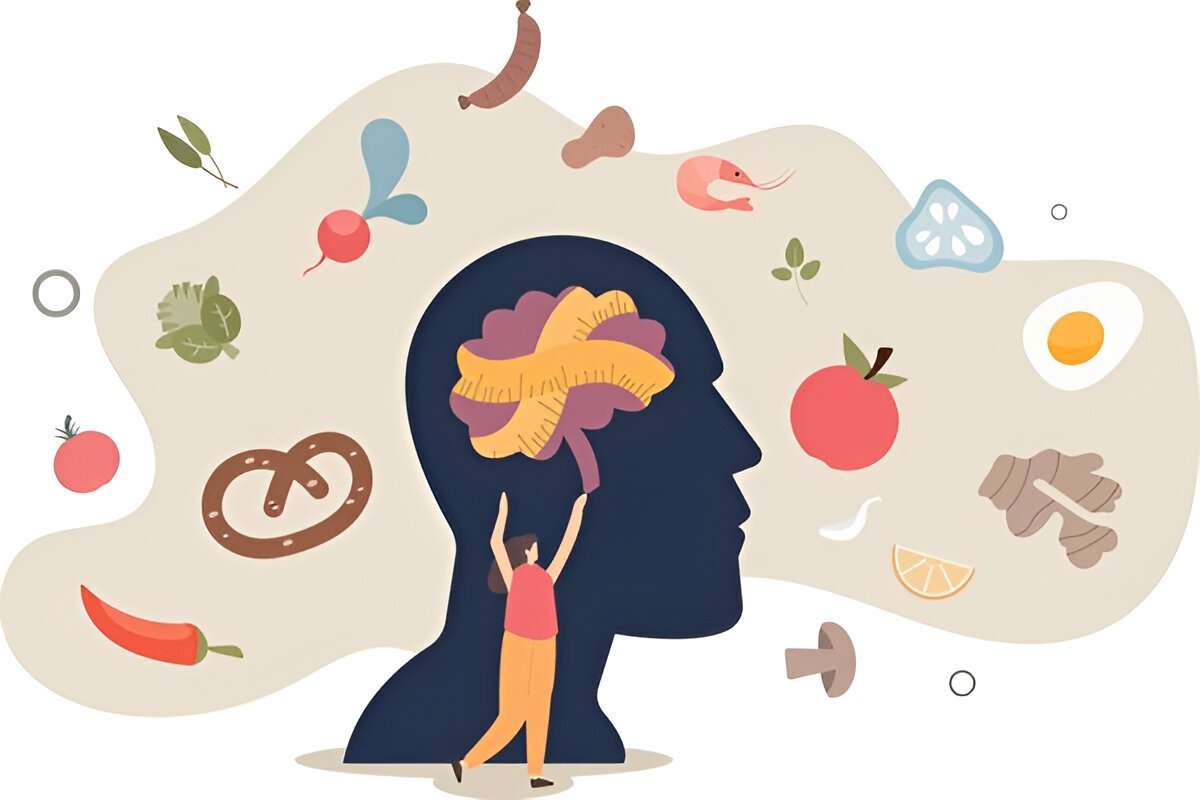
In today’s fast-paced world, what you eat significantly impacts your mood, energy, and mental clarity. While stress and anxiety are common, certain foods can naturally enhance brain function and promote a positive mood and energy.
If you’ve ever wondered, “What am I in the mood to eat?”, this list will help you choose happy and healthy foods that boost mental well-being.
Let’s dive into the top 10 foods for mental health and how they contribute to a better mood and emotional balance.
The Connection Between Diet and Mental Well-Being
The brain requires essential nutrients to function optimally. A diet rich in whole, nutrient-dense foods helps regulate neurotransmitters, reduce inflammation, and maintain energy levels. On the other hand, consuming too much processed food, refined sugar, and unhealthy fats can lead to mood swings, brain fog, and increased stress levels. Choosing the right foods can be a game-changer for your mental health.
1. Fatty Fish: The Ultimate Brain Booster
Fatty fish such as salmon, mackerel, and sardines are loaded with omega-3 fatty acids, which are essential for brain function, memory, and mood regulation. Studies show that people who consume more omega-3s have a lower risk of depression and anxiety. Omega-3s also reduce inflammation, supporting overall brain health.
How to incorporate: Grill salmon for dinner, add mackerel to your salad, or enjoy a tuna sandwich for a nourishing brain boost.
2. Dark Chocolate: The Instant Mood Enhancer
Dark chocolate (at least 70% cocoa) contains antioxidants and flavonoids that reduce stress hormones and improve blood flow to the brain, enhancing cognitive function. It also stimulates the production of serotonin, a hormone responsible for happiness and relaxation.
How to incorporate: A small piece of dark chocolate daily can be a guilt-free treat that uplifts your mood instantly.
3. Berries: Nature’s Antidepressant
Blueberries, strawberries, and blackberries are packed with antioxidants, vitamins, and fiber, which reduce inflammation in the brain and support mental clarity. They are known to fight oxidative stress, which can contribute to mental fatigue and mood disorders.
How to incorporate: Add them to smoothies, sprinkle over yogurt, or enjoy them fresh as a snack.
4. Nuts & Seeds: Tiny But Mighty Mood Enhancers
Walnuts, almonds, flaxseeds, and chia seeds are rich in healthy fats, magnesium, and vitamin E, nutrients essential for reducing stress and anxiety. Walnuts, in particular, contain omega-3 fatty acids, making them an excellent alternative to fish.
How to incorporate: Munch on a handful of nuts daily or sprinkle flaxseeds on your morning oatmeal.
5. Bananas: The Instant Mood Lifter
Bananas contain vitamin B6 and tryptophan, which help in producing serotonin, the “happy hormone.” Their natural sugars provide an energy boost without the crash, keeping your mood stable.
How to incorporate: Eat a banana before a workout or blend it into a smoothie for a natural energy boost.
6. Leafy Greens: Nature’s Stress Relievers
Spinach, kale, and Swiss chard are high in folate and magnesium, which help regulate mood and reduce stress. Magnesium deficiency has been linked to increased anxiety, making these greens a great addition to your diet.
How to incorporate: Toss spinach into salads, blend kale into smoothies, or add leafy greens to your omelet.
7. Yogurt & Fermented Foods: The Gut-Brain Connection
Your gut health plays a significant role in mental health. Probiotic-rich foods like yogurt, kimchi, and sauerkraut promote good gut bacteria, which, in turn, positively impact brain function and mood.
How to incorporate: Have Greek yogurt with honey, add kimchi to your meals, or sip on kombucha.
8. Oats: A Steady Energy Source for a Positive Mood
Oats are a fantastic source of slow-digesting carbohydrates that stabilize blood sugar levels, keeping energy and mood consistent throughout the day. They also contain B vitamins, which support brain function.
How to incorporate: Start your morning with oatmeal topped with nuts and berries for a nutritious and energizing breakfast.
9. Green Tea: The Ultimate Relaxation Drink
Green tea contains L-theanine, an amino acid that promotes relaxation and reduces stress without making you drowsy. It also has antioxidants that enhance brain function and support long-term cognitive health.
How to incorporate: Swap your coffee for green tea in the afternoon to stay alert without the caffeine jitters.
10. Citrus Fruits: A Natural Mood Booster
Citrus fruits like oranges, lemons, and grapefruits are rich in vitamin C, which helps reduce cortisol levels (the stress hormone) and improves overall mood and immune function.
How to incorporate: Enjoy a fresh orange as a snack, add lemon to your water, or include grapefruit in your breakfast.
Additional Tips for Supporting Mental Well-Being Through Diet
- Stay Hydrated: Dehydration can lead to fatigue and mood imbalances. Drink plenty of water throughout the day.
- Limit Processed Foods & Sugar: Highly processed foods and excess sugar can cause mood swings and energy crashes.
- Eat Balanced Meals: Include a mix of protein, healthy fats, and complex carbohydrates in every meal to maintain stable energy levels.
- Practice Mindful Eating: Avoid emotional eating and be conscious of your food choices to cultivate a healthy relationship with food.
Final Thoughts: Eat Smart, Feel Great!
Your diet plays a crucial role in how you feel every day. By including these good mood foods, you can naturally boost your mental health and stay energized. A well-balanced diet rich in these brain-friendly foods will not only improve your mood but also support overall well-being.
Next time you wonder, “What am I in the mood to eat?”, opt for better mood foods that nourish both your body and mind. Because good food truly puts me in a good mood!
Take the First Step with Center for Integrative Psychiatry™
Your mental health is essential, and the right diet is just one part of the equation. If you’re seeking personalized mental health care, expert guidance, and holistic treatment options, the Center for Integrative Psychiatry™ is here to support you.
Take the First Step Toward Better Mental Health!
Medical Disclaimer
This article is for informational purposes only and does not constitute medical advice. If you are experiencing a mental health crisis, please seek immediate help from a licensed professional or call emergency services. Always consult a qualified healthcare provider before making any decisions regarding your mental health treatment.
Frequently Asked Questions (FAQs)
1. How does food influence mental health?
A well-balanced diet rich in essential nutrients supports brain function, regulates neurotransmitters, reduces inflammation, and maintains energy levels, key factors in mental well-being.
2. Can certain foods help alleviate anxiety and depression?
Yes! Foods high in omega-3 fatty acids (found in fatty fish), magnesium (leafy greens), and probiotics (yogurt and fermented foods) are known to help manage anxiety and depression symptoms.
3. What foods should I limit for better mental health?
Avoid excessive consumption of processed foods, refined sugars, trans fats, and high-caffeine beverages, as they can contribute to mood swings, fatigue, and increased stress.
4. How can I naturally boost my mood through diet?
Incorporate whole foods, healthy fats, lean proteins, and antioxidant-rich fruits and vegetables into your daily meals. Staying hydrated and limiting processed foods can also help improve mood stability.
5. Where can I get professional support for mental health?
If you’re looking for expert guidance, the Center for Integrative Psychiatry™ offers evidence-based, holistic mental health care tailored to your needs.
This article is for education and general information. It isn't a substitute for individual medical advice, diagnosis, or treatment from a qualified clinician.
Webmaster
Articles on this blog are educational resources from the Center for Integrative Psychiatry, a multidisciplinary clinic offering evidence-based psychiatry, therapy, TMS, and integrative care for Texans since 2015. They are not medical advice — always talk with your own clinician about your care.
Meet the CIP team