Finding the right path toward emotional healing can feel like an uphill battle when traditional methods do not yield results. Many individuals find themselves stuck in a cycle of trying different medications without experiencing the relief they desperately need. When comparing TMS vs antidepressants, it is important to understand how each approach interacts with your unique brain chemistry. Have you ever wondered if there is a way to treat depression that does not involve systemic side effects or daily pills?
At Texas CIP, we provide a sophisticated range of options for those seeking an integrative depression treatment North Dallas. Our clinic specializes in cutting-edge interventions like Transcranial Magnetic Stimulation (TMS) alongside traditional medication management and functional psychiatry. We also offer Telehealth, mental health therapy, and nutritional psychiatry to ensure every aspect of your well-being is addressed. By combining these services, we help patients navigate the complexities of mood disorders with a personalized touch.
Understanding The Core Differences Between Brain Stimulation and Medication
The fundamental difference between these two options lies in how they deliver relief to the brain. Antidepressant medications are systemic, meaning they enter the bloodstream and affect the entire body to reach the brain. This widespread delivery is often the cause of common side effects like weight gain, nausea, or fatigue. In contrast, TMS is a localized treatment that uses magnetic pulses to stimulate specific areas of the brain responsible for mood regulation.
Choosing between these methods requires a careful evaluation of your medical history and previous treatment experiences. Our TMS therapy clinic Coppell offers detailed consultations to determine which path aligns best with your health goals. While some find success with a simple prescription, others require the targeted precision that only magnetic stimulation can provide.
How TMS Works For Depression At A Neurological Level
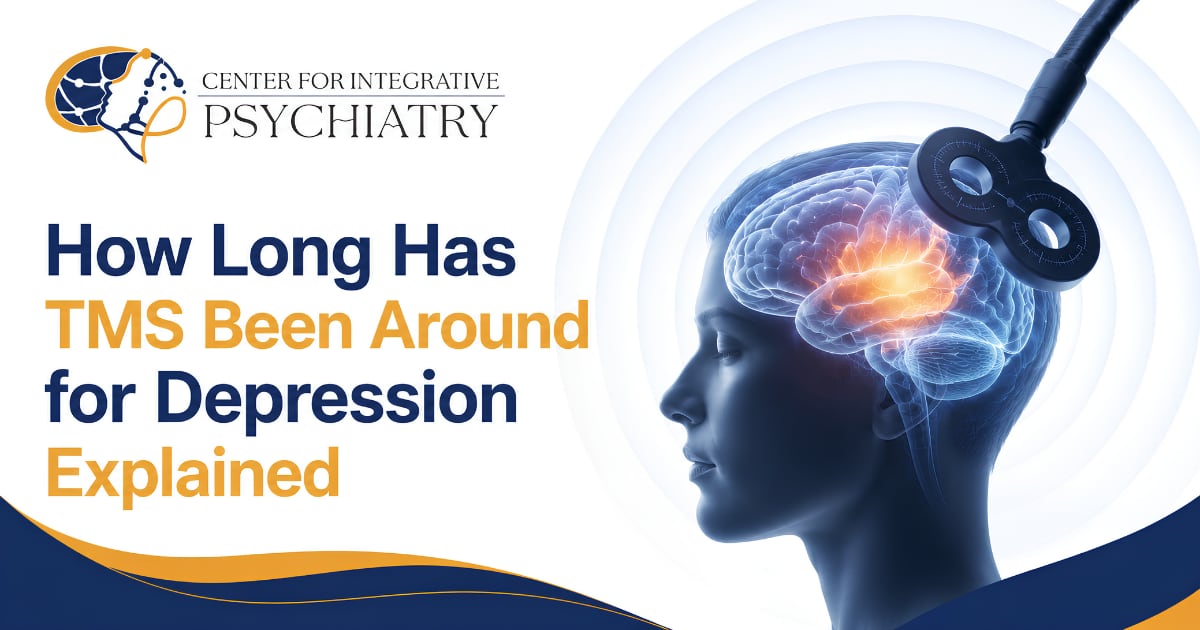
To understand the debate of TMS vs antidepressants effectiveness, one must look at the mechanics of the brain. TMS uses a small electromagnetic coil to create a magnetic field that produces very mild electrical currents. These currents stimulate nerve cells in the prefrontal cortex, which is the region often underactive in individuals with clinical depression. This process encourages the brain to forge new neural pathways and restore balance naturally.
This method is particularly beneficial for those who have developed a resistance to standard drug therapies. At Texas CIP, our functional psychiatry approach ensures that we are looking at your brain health from every angle. We often find that stimulating these neural circuits can jumpstart recovery for patients who felt they had reached a dead end with other treatments.
The Benefits Of TMS Compared To Antidepressants
One of the most significant benefits of TMS compared to antidepressants is the lack of systemic side effects. Because the treatment is non-invasive and does not involve chemicals entering the blood, patients do not experience the typical “brain fog” or metabolic changes associated with many pills. You can drive yourself to and from the clinic and return to your daily activities immediately following a session.
Furthermore, the long term results of magnetic stimulation can be quite profound. Many patients experience a total remission of symptoms that lasts long after the treatment cycle is complete.
No systemic side effects like weight gain or sexual dysfunction.
A non-invasive procedure that does not require anesthesia or sedation.
High success rates for individuals with treatment resistant depression.
FDA cleared technology with decades of clinical research supporting its safety.
Short treatment sessions that fit easily into a busy professional or personal schedule.
Evaluating Antidepressant Medications And Their Role In Care
Despite the rise of new technologies, antidepressant medications remain a cornerstone of mental health care for millions. They are often the first line of defense due to their accessibility and the decades of research backing their use. Medications can be highly effective for moderate depression or as a maintenance tool alongside other therapies. At Texas CIP, our medication management services ensure that you are on the lowest effective dose with the fewest side effects.
However, it is estimated that about one third of people do not respond adequately to the first or second medication they try. This is where the comparison of TMS vs antidepressants becomes vital for the patient. If you are struggling with the side effects of your current prescription, it may be time to look into an alternative that targets the brain more directly.
Comparing TMS vs Antidepressants Effectiveness
When looking at the data, the success rates for TMS are highly encouraging, especially for those who have failed multiple medication trials. Clinical studies show that a significant percentage of patients experience a reduction in symptoms, and many achieve full remission. While antidepressants are effective for many, their efficacy often plateaus or diminishes after several different types have been attempted without success.
Our team at Texas CIP focuses on data-driven results to guide your care. We monitor your progress closely, whether you are utilizing our life coaching, naturopathy, or TMS services. By measuring your response to the comparison of TMS vs antidepressants, we can pivot your treatment plan in real time to ensure you are always moving toward wellness.
An Integrative Depression Treatment North Dallas Residents Can Trust
We believe that the best results often come from a combination of different modalities. For some, the answer is not necessarily which is better TMS or antidepressants, but how they can work together. An integrative plan might include TMS to stimulate the brain, specific nutritional psychiatry to support gut health, and mental health therapy to develop new coping skills. This multi-layered approach addresses the biological, psychological, and social factors of depression.
Texas CIP is proud to offer a sanctuary for healing that utilizes the most advanced tools available.
Comprehensive psychiatric evaluations to identify the root cause of your symptoms.
Targeted TMS sessions administered by experienced clinical professionals.
Holistic support through naturopathy and customized supplement plans.
Flexible Telehealth options for therapy and follow-up appointments.
Specialized care for co-occurring conditions like PTSD, ADHD, or OCD.
Why Location Matters: TMS Therapy Clinic Coppell
Accessibility is a major factor in treatment success, as TMS requires daily sessions over several weeks. Having a TMS therapy clinic Coppell makes it easier for residents in the North Dallas area to stay committed to their protocol. Our welcoming environment and expert staff ensure that every visit is comfortable and focused on your progress. We aim to remove the barriers to high-quality mental health care by providing a local hub for innovation.
By choosing a local expert, you gain a partner in your long term health journey. We work with you to integrate your treatment into your lifestyle, ensuring that your path to recovery is sustainable. Whether you are dealing with grief and loss or chronic depression, our local presence means you have a support system close to home.
Conclusion
Deciding between TMS vs antidepressants is a personal choice that should be made in consultation with mental health experts. Both treatments have their place in modern medicine, but for those seeking a non-systemic, highly targeted alternative, TMS offers a revolutionary path forward. Understanding the benefits and mechanics of each can empower you to take control of your mental health journey.
At Texas CIP, we are dedicated to helping you find the clarity and relief you deserve. Our integrative approach ensures that whether you choose medication, brain stimulation, or a combination of holistic therapies, you are receiving the most advanced care possible. Restoring your quality of life is our primary mission.
Frequently Asked Questions
Which is better TMS or antidepressants for treatment resistant depression? For individuals who have not found relief from multiple medications, TMS often provides a higher chance of success and remission because it targets the brain’s neural circuits directly without systemic side effects.
How does a TMS therapy clinic Coppell help with daily treatment? Since TMS involves frequent sessions, having a clinic in Coppell provides local residents with a convenient location, reducing travel stress and making it easier to complete the full course of therapy.
What are the primary benefits of TMS compared to antidepressants? The main benefits include a lack of systemic side effects like weight gain or nausea, no need for daily pills, and a non-invasive application that allows patients to return to their normal day immediately.
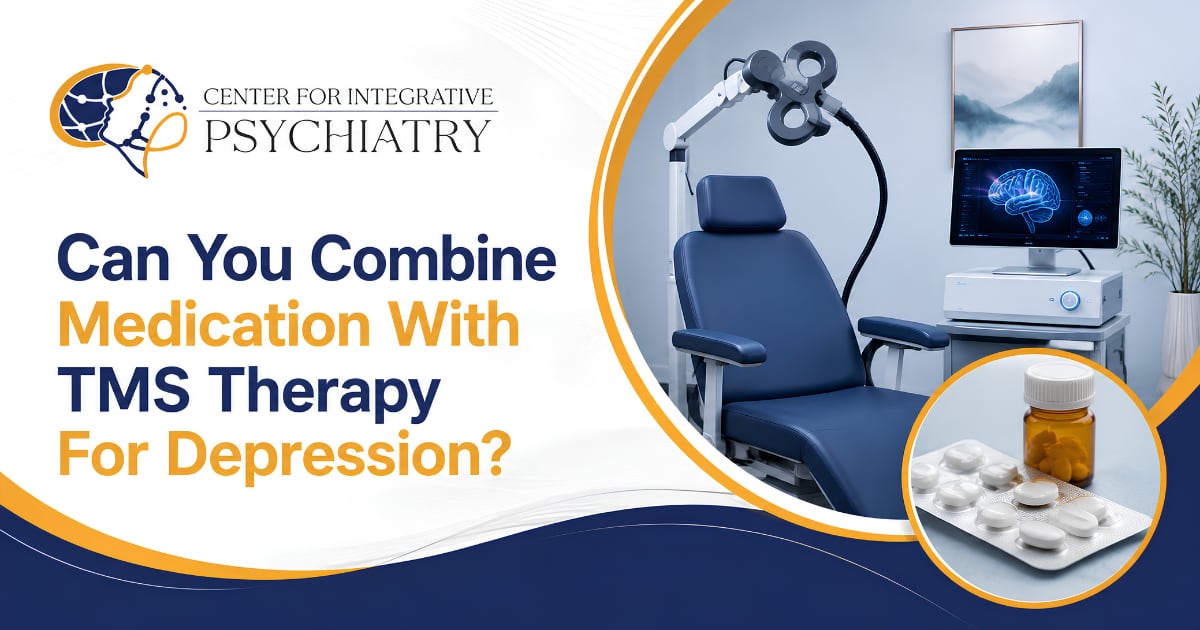
How TMS works for depression if I am already taking medication? TMS can be used as a standalone treatment or in conjunction with your current medication. It works by using magnetic pulses to stimulate underactive areas of the brain, regardless of chemical interventions.
Who provides integrative depression treatment North Dallas for complex cases? Texas CIP offers integrative care that combines functional psychiatry, TMS, and nutritional support to treat complex depression and related conditions like bipolar disorder or schizophrenia.
What should I expect during a session for TMS treatment for depression? During a session, you sit comfortably in a chair while a small coil is placed against your head. You will hear a clicking sound and feel a tapping sensation, but the procedure is painless and requires no downtime.
Disclaimer The content provided in this article is for informational purposes only and does not constitute medical advice. It is not intended to be a substitute for professional diagnosis or treatment. Always seek the advice of a qualified healthcare provider with any questions you may have regarding a medical condition.
This article is for education and general information. It isn't a substitute for individual medical advice, diagnosis, or treatment from a qualified clinician.
Webmaster
Articles on this blog are educational resources from the Center for Integrative Psychiatry, a multidisciplinary clinic offering evidence-based psychiatry, therapy, TMS, and integrative care for Texans since 2015. They are not medical advice — always talk with your own clinician about your care.
Meet the CIP team